Greece 2019 – If These Books Could Talk

Every one of the 715 village church books in Laconia which I digitized this summer tells a story. From the earliest books dated 1860 to those of today, a panoply of human milestones unfold. From celebratory births, baptisms and marriages to somber funerals, the vital events of many thousands of Laconians are documented and now preserved.

These extant volumes have experienced the horrors of wars, the uncertainties of occupations, and the debacles of natural disasters. Their pages have managed to withstand insect infestations, water damage, mold on covers and on pages, ink spills and human neglect. Honestly, it is a miracle that so many survived.
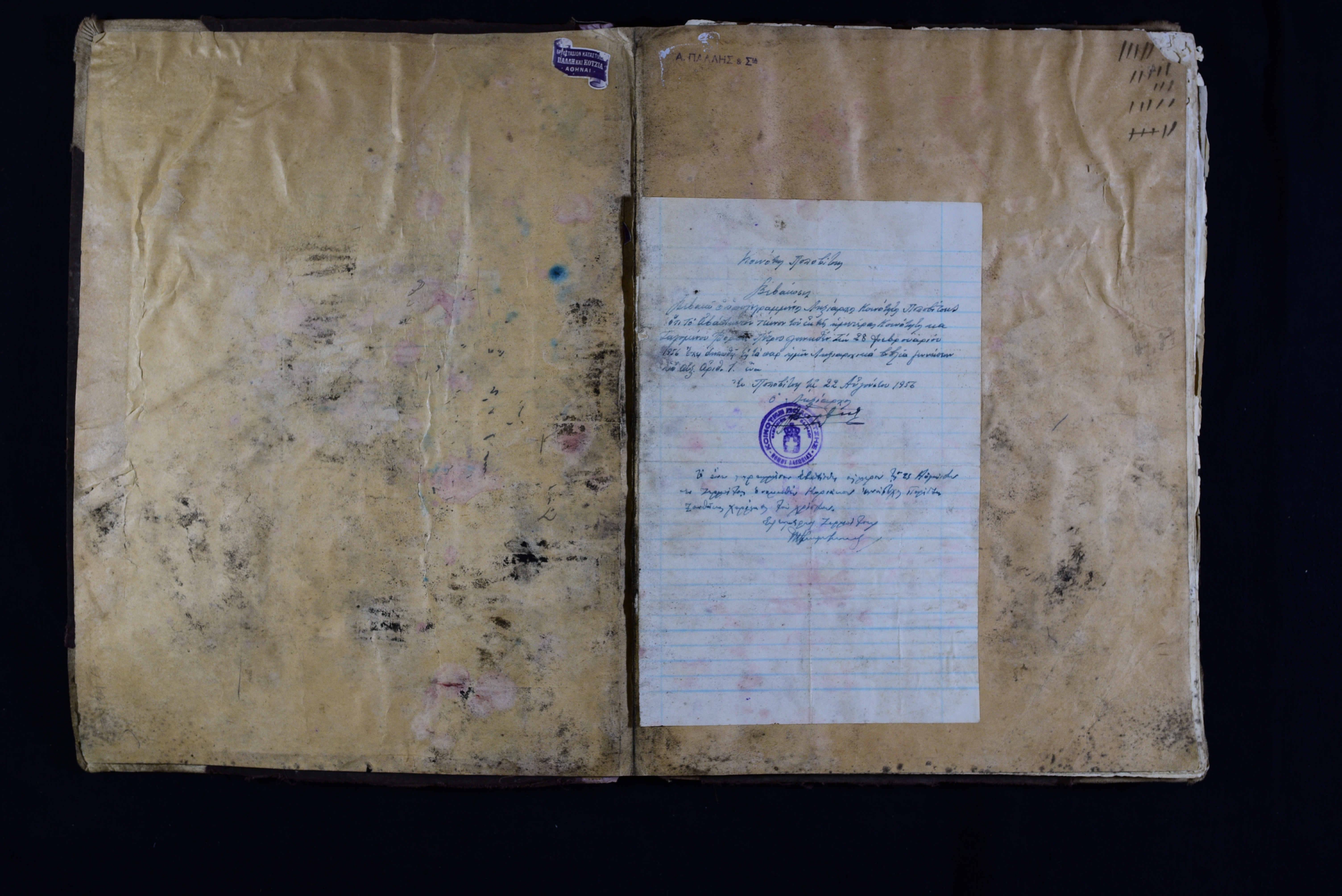
There was mold throughout this book
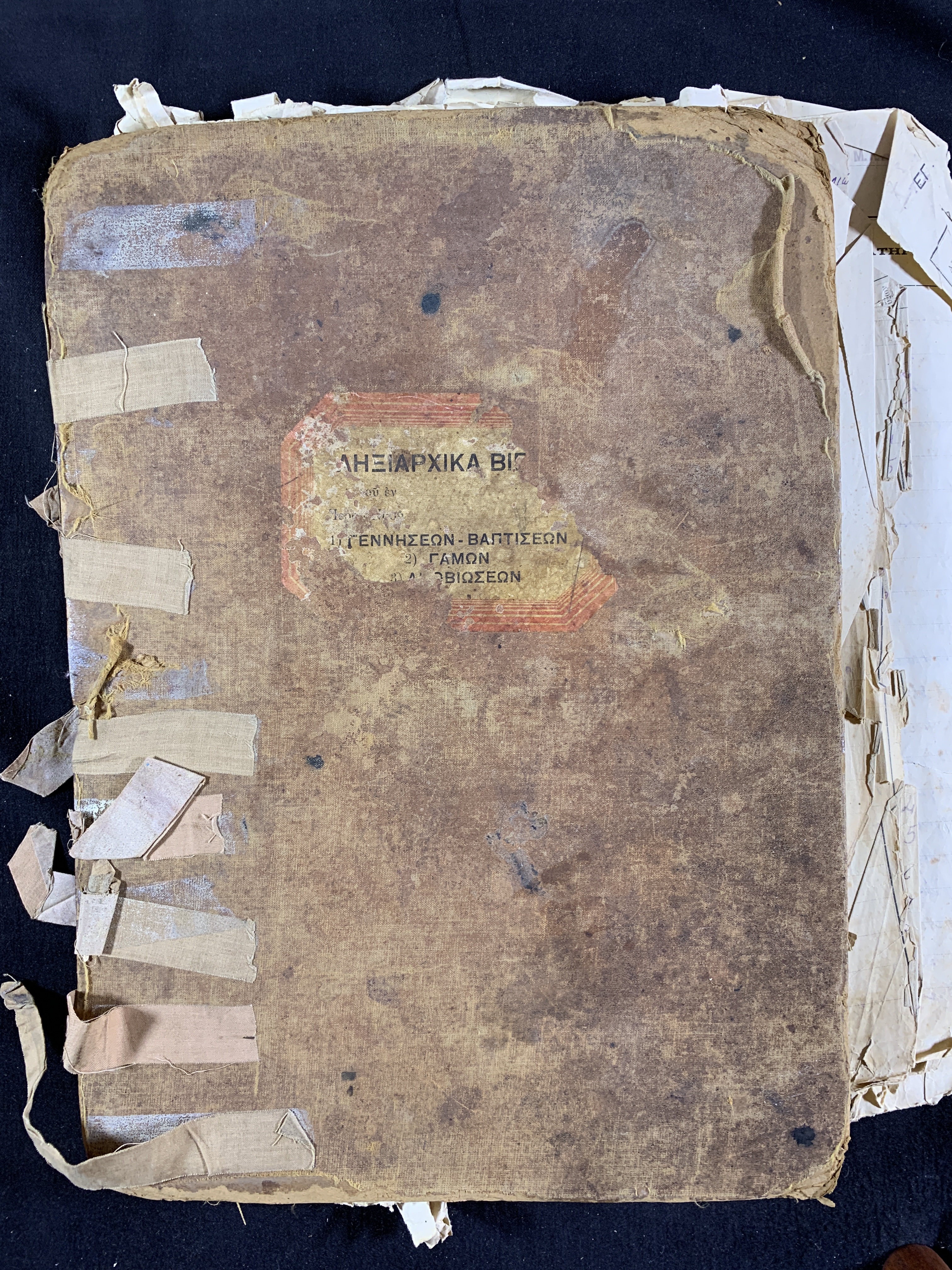
Birth-Marriage-Death Book 1913-52

Birth-Marriage-Death Book 1913-52. Flattening the pages of this book to enable digitization took hours, and was done with the assistance of my cousin, Panorea Kostakos (see photo below).
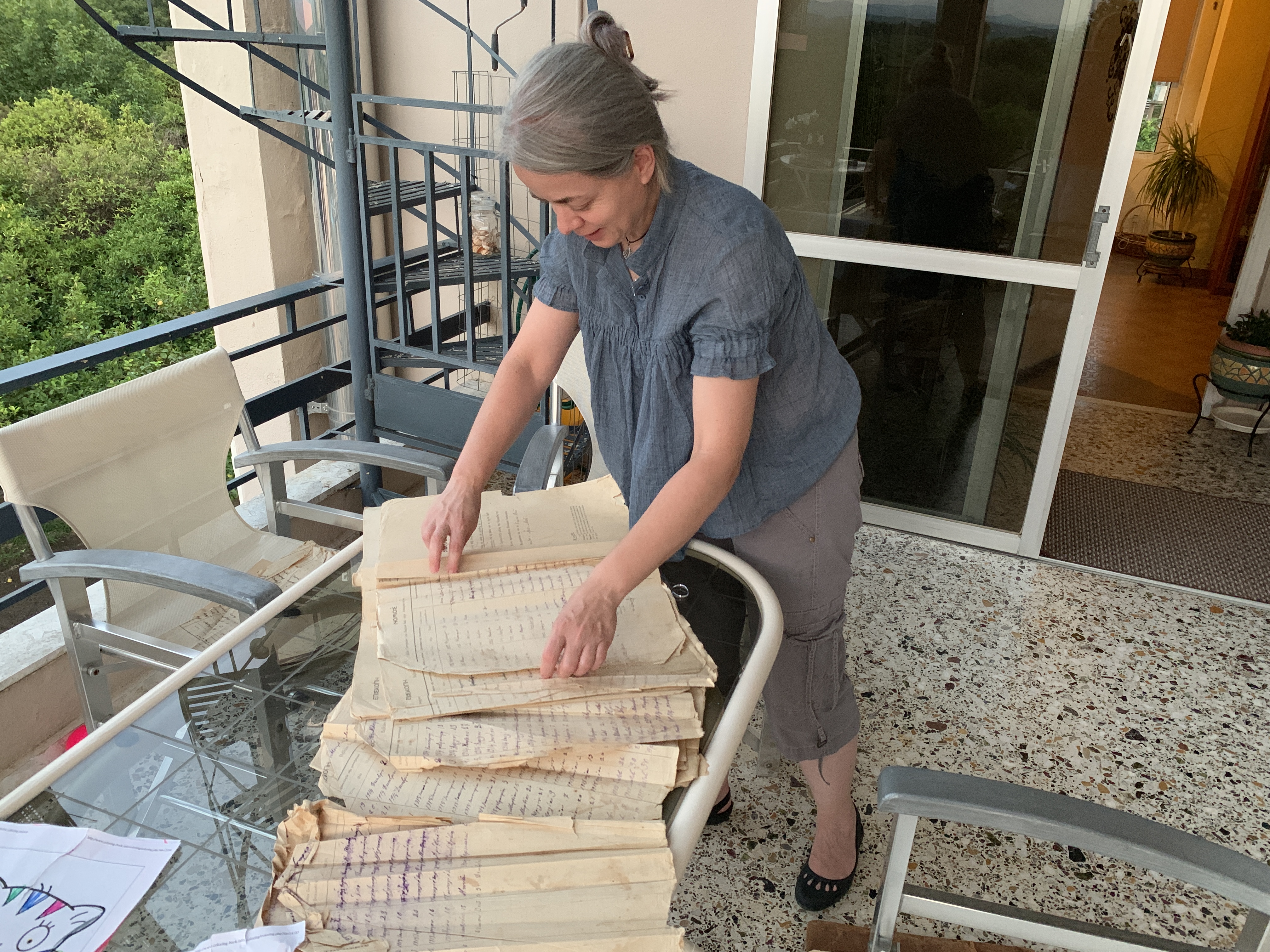
My cousin, Panorea Kostakos, helps to sort and then flatten pages.

But these books reveal much more–the sagas of their villages. They are pieces of history, chronicling the demise of picturesque mountain villages and revealing the growth of places in the fertile Spartan valley. I can see which villages are dying and which are thriving. When I visit uninhabited villages high in the Taygetos, the death versus birth entries reveal the exact timeline of decline with statistical accuracy.

School house in the now uninhabited village of Barsinikos/Taygeti, atop the Taygetos mountains. The school closed in the 1950s due to lack of students.
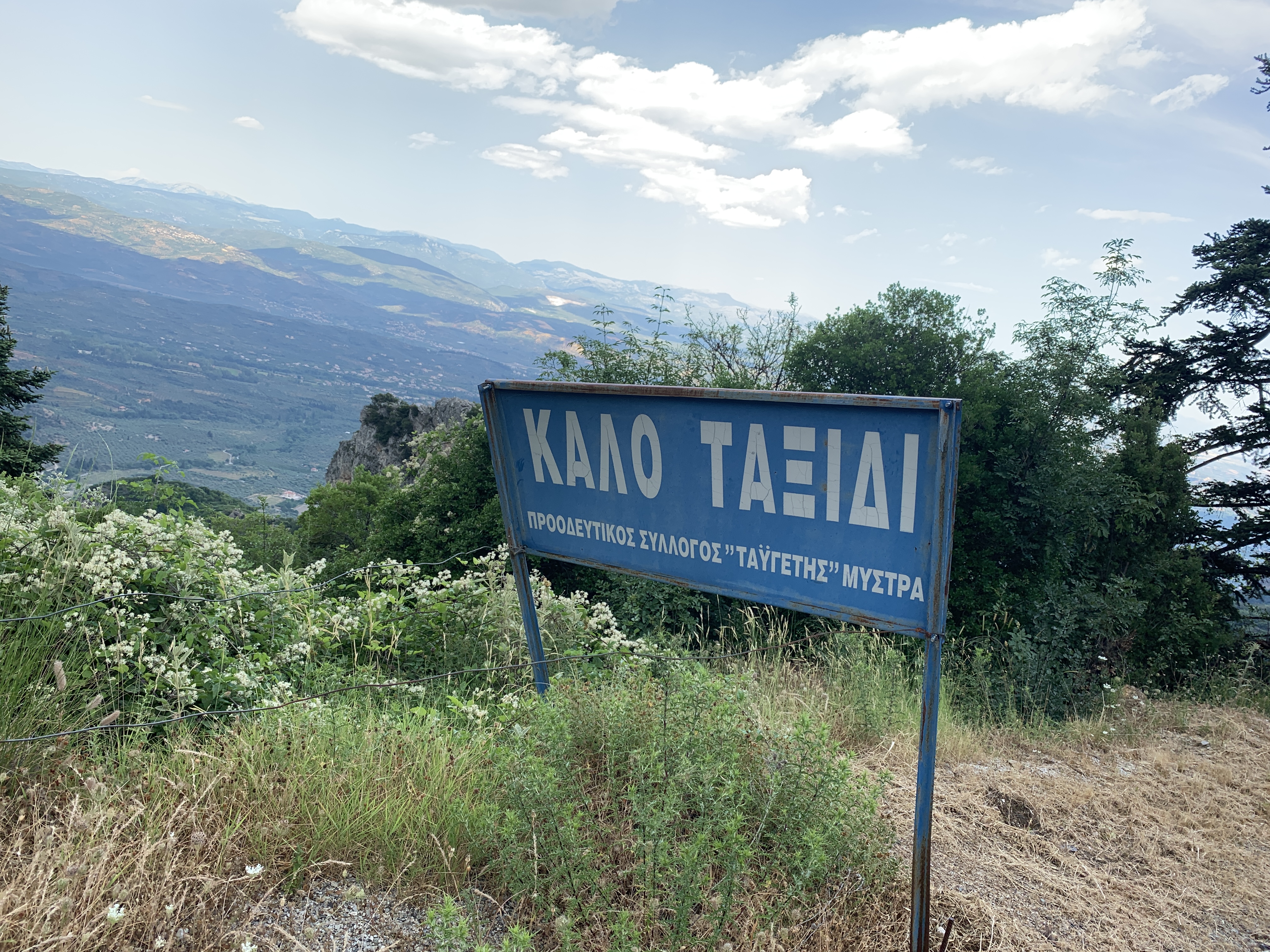
This sign, “Kalo Taxidi” bids visitors a “good trip” as they leave the high mountain village of Barsinikos/Taygeti.

Village churches do not have “offices” or clerical staff. The priest does everything. Some churches may have a storage area with a desk where books are kept, but many priests keep books in their own homes.

A priest’s desk in a church “office.”
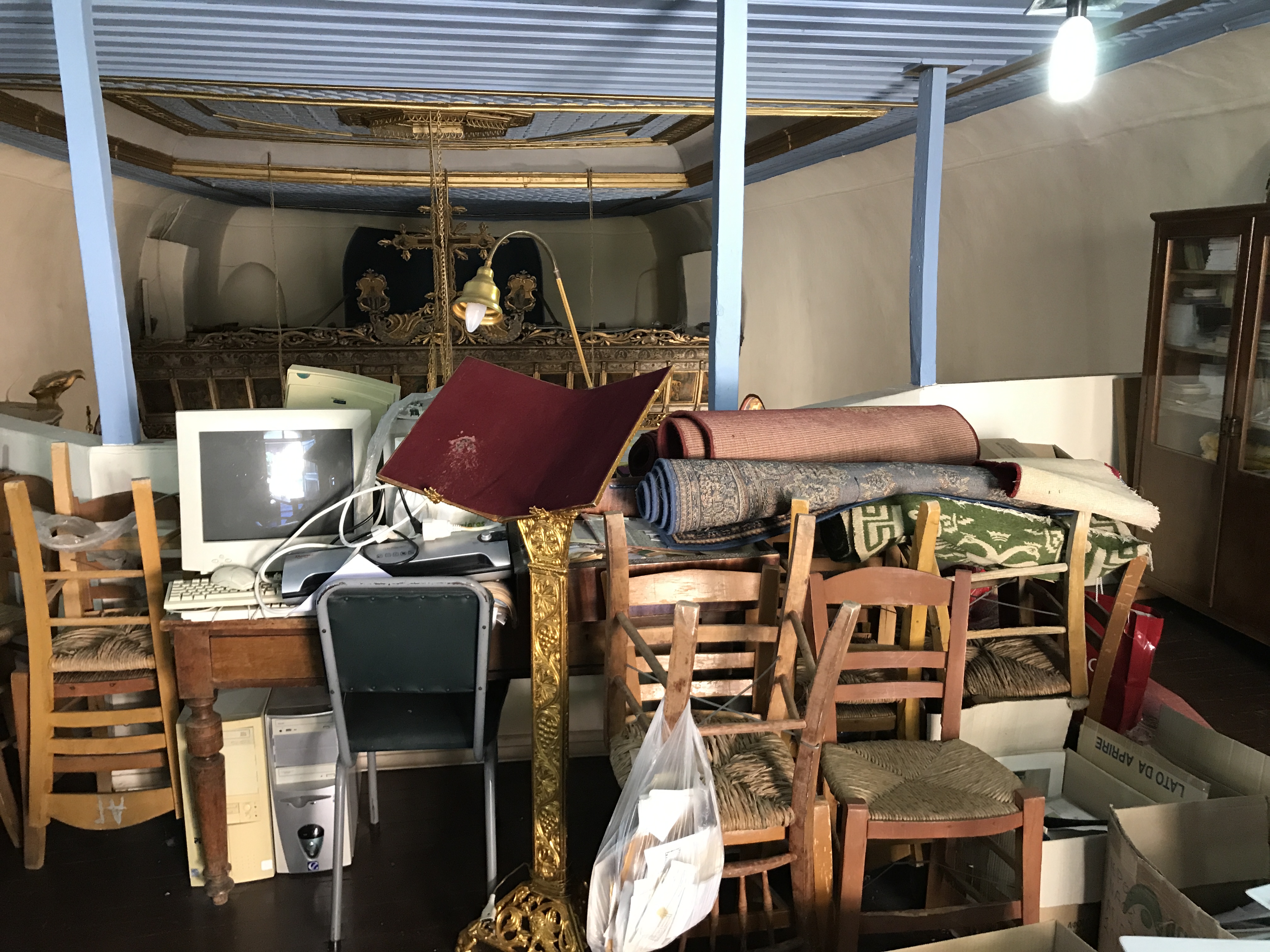
Storage area in a village church

There were times I was saddened by the condition of the books, and times when I marveled at the ingenuity of the priests in their efforts to maintain them. I saw some very creative (although definitely non-archival) restorative measures.

Newspaper book cover

Flowered contact paper used to repair binding

Packing tape was used throughout this book to keep it together

This book is held together with string and metal wire

The photos below show examples of pages from birth, marriage and death books. In 1912, the Orthodox Church standardized book formats, and all priests were to use these new books. I was stunned to find that many priests are still recording entries in books which began in 1912–that means they are using books that are 107 years old!

Magoula, Sparta. Births, Baptisms 1908-1934

Vamvakou,  Deaths 1914-2004
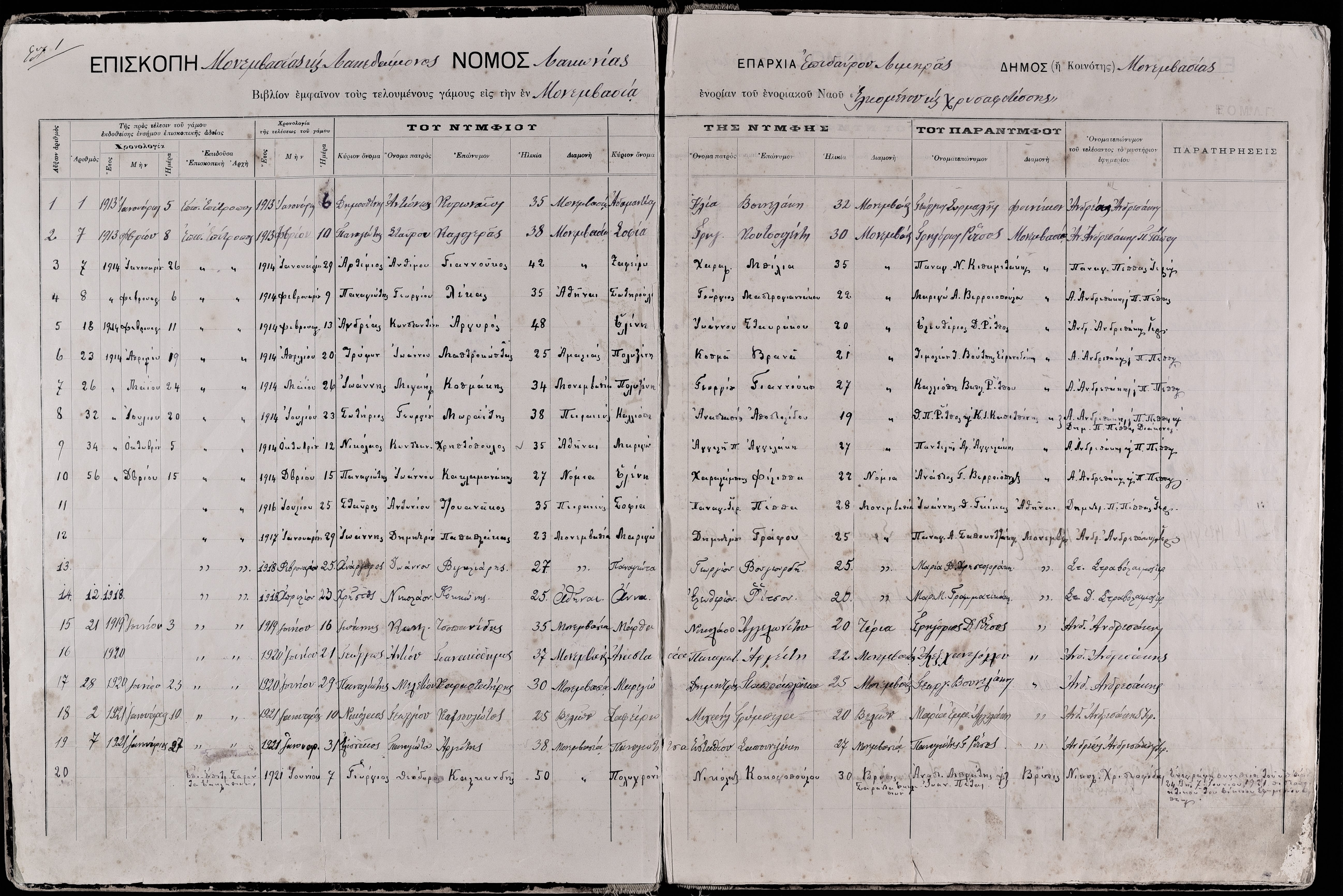
Monemvasia, Marriages 1913-1997

Books from the 1800’s are either faded, almost to the point of non-readability, or in fragments.

Mystras, Births 1860-1885. Although the book is in remarkably good condition, the ink has faded, making it difficult to read the entries
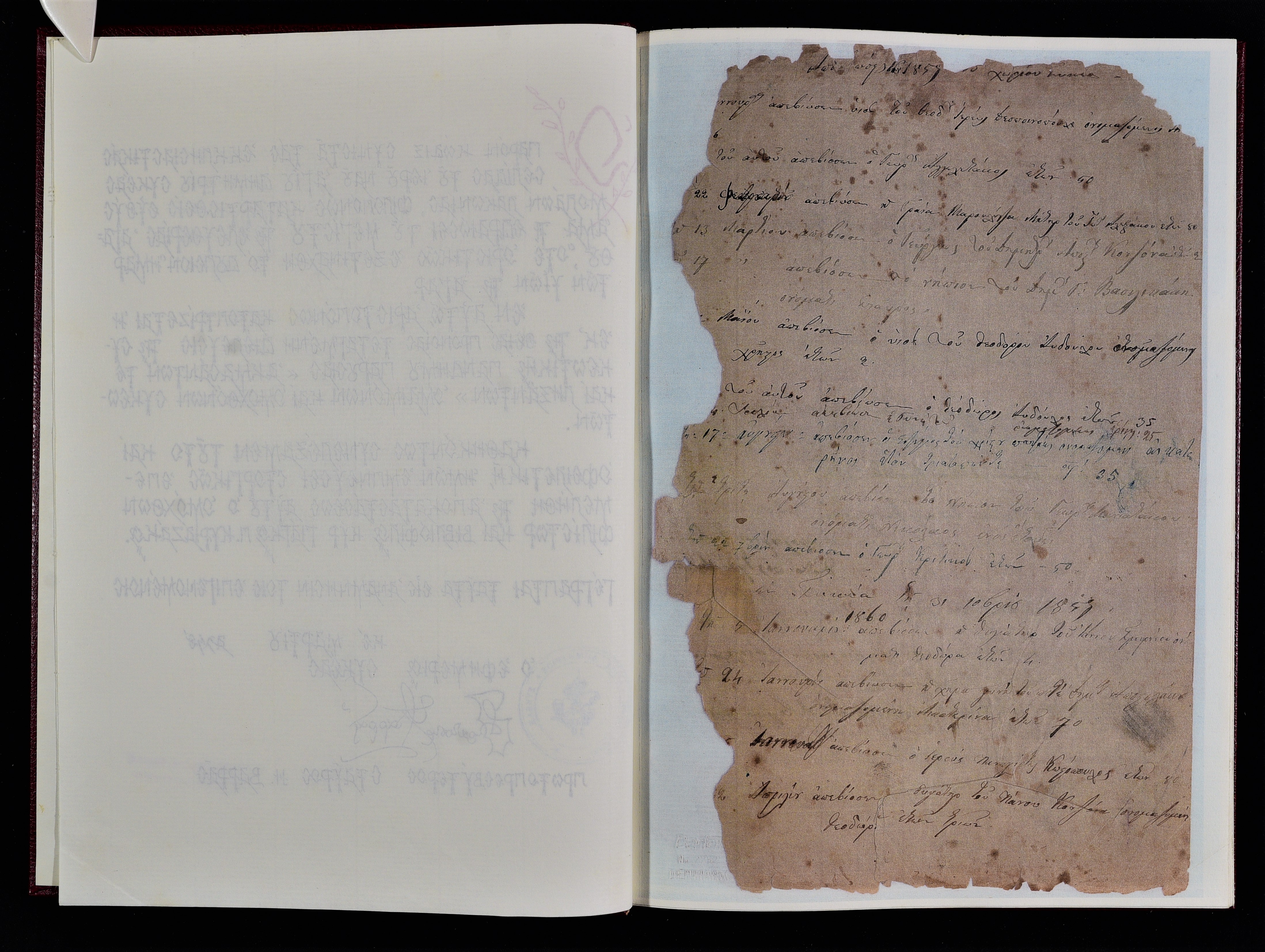
Sykea, Death 1859-1913. The priest had the fragmented pages preserved on rice paper, and the book was rebound

This book of deaths has been rebound and digitized on a CD.

Vlachioti, Deaths 1912-1978. Rebound and digitized, with pages preserved on rice paper

At the start of this project, I was anticipating that most Laconian villages had books dating pre-1900. After all, these villages are hundreds of years old and survived Ottoman, Venetian and Nazi occupation. Sadly, only 11 villages (under the jurisdiction of the Metropolis of Sparta and Monemvasia) have at least one book which has entries from the 1860’s or later: Anogeia, Agios Ioannis (Sparta), Geraki, Mystras, Krokees, Koulentia (Ellinikou), Perivolia, Sykea, Voutiani, Vroulia (now Sellasia), Xirokambi. Sadly, so much of our history has already been lost. But we now have “put our finger in the dike” by preserving what does exist and having back-up copies at the Metropolis.

This work could not be done without the support of Gilad Japeth, CEO of MyHeritage.com. His company will host these digital images and foster the acquisition of additional Greek record collections.This will help meet the increasing demand for vital records from Greece:  over 22,600 people are members of the Hellenic Genealogy Geek Facebook page with many new additions daily. We are riding a tsunami of interest and the wave continues to increase.

It is a privilege for me to have the opportunity to preserve the records of my ancestral homeland. I am grateful for the trust of Bishop Efstathios, who embraced the idea of record preservation with great enthusiasm and sincerity, and allowed me to handle these volumes. As a volunteer, this is one small way I can “give back” to the community which gave my family life.

Working in the Metropolis conference room to digitize the village church books

The Times of Our Ancestors’ Lives: Part One

Who we are is a product of multiple factors:  genetics, environment, and opportunities (or lack thereof). So it was with our ancestors. Where they lived and how they lived framed their mortal existence; but it was their personalities which molded their lives.From the villages of Sparta and the southern Peloponnese came a great exodus of young men in the 1880’s to mid-1900’s. Seeking relief from poverty and focusing on a new world, the majority were from Laconia, perhaps as many as 3/4 of its adult males (ages 18-35) eventually left. They embarked as pioneers and emerged as prototypes, paving the way for the thousands who followed.

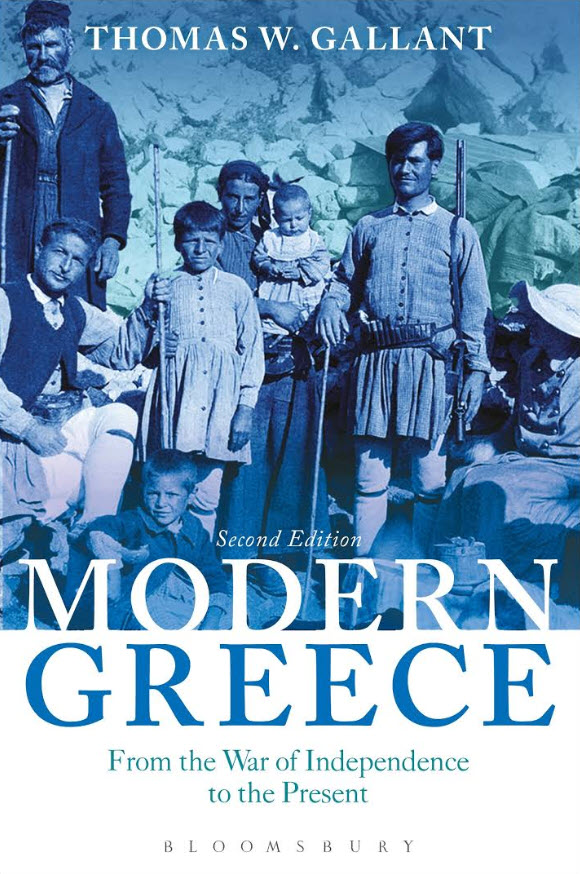
Knowing their environment is critical to understanding the choices our ancestors made. I am finding that Thomas W. Gallant’s Modern Greece is an excellent resource, and its chapter, “Society and Economy” describes the everyday world of a rural Greek village and home. In this post, I have extracted information from Gallant’s book to help us understand the times of our ancestors’ lives.

Although over 50% of the Greek population today resides in the Athens metropolitan area, this was not the case 100 years ago and before. The 1861 census revealed that 74% of adult men were farmers or sharecroppers; by 1920, this barely dropped to 70%. [i] Thus, the majority of families’ financial securities were tied to crops, a variable commodity. The demise of the current crop caused a revenue crisis in the 1890’s which, in turn, was a major factor in the earliest wave of emigration.

The typical village had a population of 200-300, or 600-700 people. In 1920, almost 52% of the population of Greece lived in villages of less than 1,000 people, and about 35% of people lived in villages of less than 500 people.[ii]

Theologos, Oinountos, Laconia, 2017. This village is 6 km straight up a mountain, and is the home of my great-grandmother, Stathoula Zaharakis

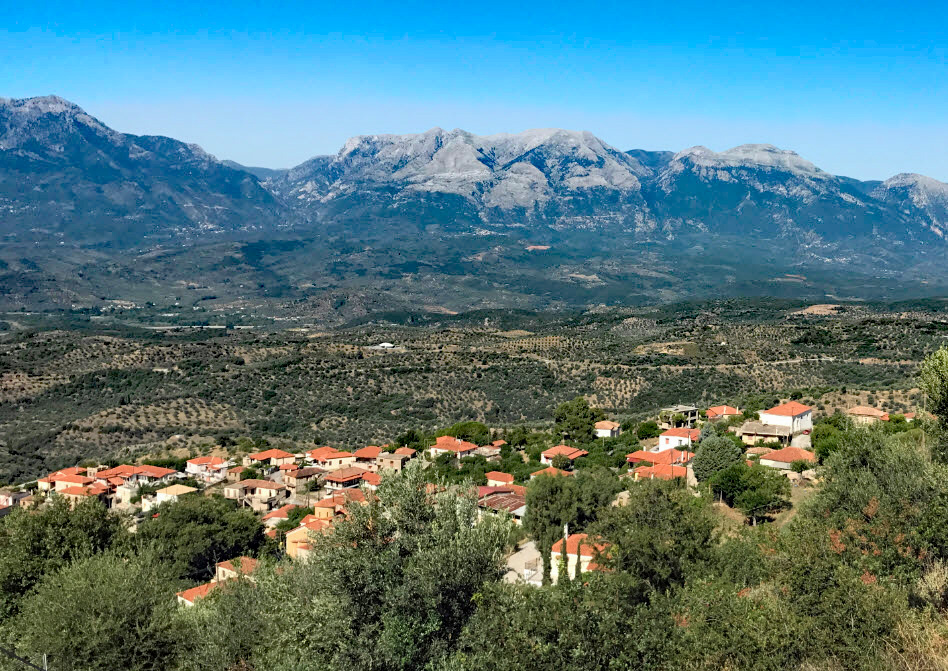
Villages around Sparta are nestled in majestic mountains, and until the mid-1900’s many were accessible only by foot or donkey. Building in the foothills and even atop mountains was a necessity, as flat, arable land was scarce and designated for farming. Space in the center of the village was reserved for the church and the town square or platea, the hub of social life.

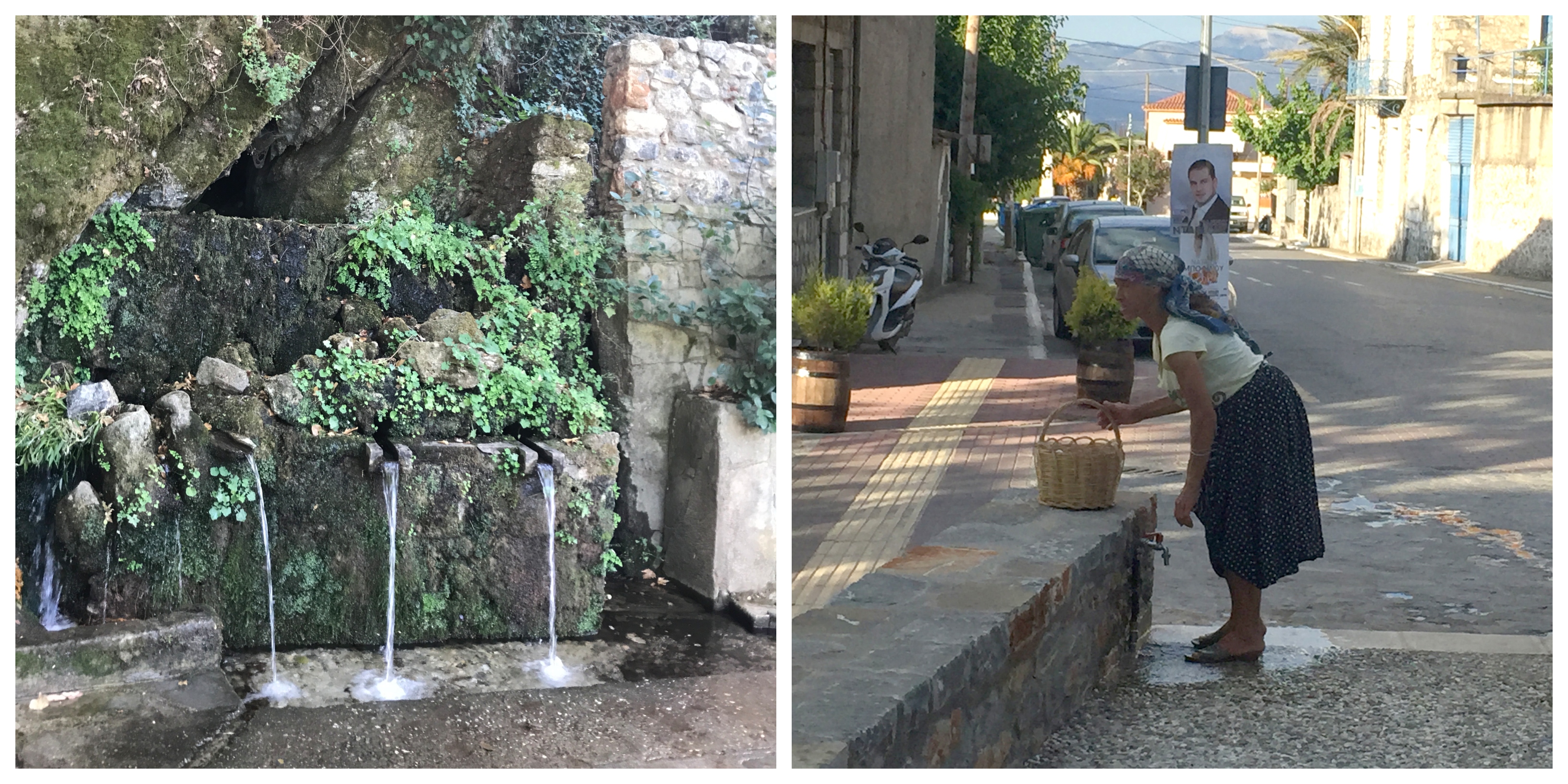
The arid climate and hot, dry summers required a source of water, and villages were settled near rivers or streams. Even today after hundreds of years, pure mountain water gushes freely from rocks and every village has fountains which are in constant use.

left: water gushes from the mountain in Pikoulianika; right: a fountain in the platea of Xirokambi.

In the summer, shepherds took their flocks of goats and lambs to graze high in the verdant hillsides, several kilometers from their home. There, they lived in small huts known as kalyva. A settlement of several huts occupied by shepherds of the same village could get its own name. For example, a group of huts occupied by shepherds from the village of Soha would be given the name Kalyvia Soha. During winter, the shepherds would leave the mountains to reside in their primary home in the village.

Most farms were single-family peasant households. The father was the primary laborer, with his sons assisting as they grew old enough to work in the fields. Women also helped by weeding (considered to be “woman’s work”) and on a seasonal basis during harvests. The primary focus was to provide enough food for the family; therefore, a variety of small crops would be planted:  wheat, barley, maize, legumes with some olive and fruit trees, and vines. Tools were wooden and rudimentary. Livestock would include a donkey; sheep and goats for milk, cheese, hides and wool; and chickens for eggs and meat.[iv]

Despite its self-sufficiency, every Spartan family needed cash. Goods such as salt, tea, coffee, gunpowder, and metal had to be purchased. Dowries had to be provided. Funerals and weddings necessitated money, as did medical and other family expenses. Thus, a means of generating cash income was required. Many families grew a “cash crop” which could be sold locally, such as tobacco, grapes, or cotton. Some produced extra olive oil or wheat. In other cases, groups of male kinsmen (brothers, fathers and cousins) or entire families would work as seasonal wage laborers harvesting grain or picking grapes. Or, men might acquire skills such as smiths, knife sharpeners, carpenters and masons. They would travel the countryside, offering their skills in small villages that could not support a full-time artisan on their own.[v]

Our Spartan ancestors would have encountered a “myriad of movement across the countryside” of ξένοι (foreigners) whose livelihoods necessitated being on the move:  transhumant  shepherds of certain ethnic groups who specialized in large-scale animal husbandry, or itinerant merchants who transported goods over land on donkeys.[vi] “The image of the nineteenth-century Greek villagers as ensconsed in their little villages, isolated from and ignorant of the wider world, is grossly inaccurate. No village was an island unto itself. The Greek countryside was a fairly dynamic place characterized by a relatively constant movement of people across it and periodically punctuated by the larger-scale arrival and departure of work gangs, itinerant merchants and artisans, donkey caravans, shepherds with their families and flocks, and of course, the dreaded bandit gangs which continued to be a menace to society until late in the century.”[vii]

Thus, despite the relative isolation of many villages, people were exposed to news, ideas, and customs which expanded the microcosm of their world.

[Part Two will cover the social world of men and women, and the home.]

____________
[i] Gallant, Thomas. Modern Greece, New York: Bloomsbury Academic, 2016. p.127.
[ii] ibid., pg. 128.
[iii] ibid., pg. 129.
[iv] ibid., pg. 135.
[v] ibid., pg. 140.
[vi] ibid., pg. 140.
[vii] ibid., pg. 141.