Greece 2017. Part Three: Corinth

I have wandered along many paths of my ancestral villages, but in Corinth I walked where the Apostle Paul walked. Standing on holy ground was a sacred experience which renewed my connection to my faith and to the Lord.

Ancient Corinth, Temple of Apollo

After he preached to the Athenians on Mars Hill, Paul continued his ministry in Corinth where “many of the Corinthians hearing believed, and were baptized.” Paul’s first mission in Corinth lasted 18 months, A.D. 50-52 (Acts 18:11).  As he walked the narrow stone paths, he established the church of Christ and preached His gospel.

Stone inscribed with the words of Paul ( 2 Corinthians 4:17).

Spot where Paul was put on trial before the proconsul Gallio in AD 51. The case was dismissed and Paul was released (Acts 18:12-17).

Ancient Corinth was one of the largest and most important cities of Greece, with a population of 90,000 in 400 BC. Both destroyed and rebuilt by the Romans, it became the provincial capital of Hellas with a mixed population of Romans, Greeks and Jews. Situated halfway between Sparta and Athens on the Isthmus of the Peloponnese, it was the crossroads between northern and southern Greece. In addition, its two ports–west on the Corinthian Gulf and east on the Saronic Gulf—positioned it as the major trade route between Asia and western Europe.

The archaeological sketch below (photo taken at the site) depicts the magnitude of the ancient city.

The ancient city of Corinth

I had to stretch my imagination to visualize the city portrayed above, with what remains today.


The Museum was filled with artifacts excavated from the site. They were meticulously preserved and displayed in a manner befitting the glory of the ancient city.

Museum interior at Corinth

Every display case was a “feast for the eyes” and a delight to the historian. These are just a few of the photos I took.

Museum artifacts

Museum cabinet

The life-size statuary both inside and outside the Museum were astounding to see. The marble carvings remained remarkably pristine throughout the centuries.

Statuary, interior

Statuary, exterior

Immersing myself in the site of Corinth reminded me that one can be a tourist, or one can be a traveler (see the difference). I prefer the latter.

Greece 2017. Part Two: Athens & The War Museum

No matter how many times I come to Athens, I am enthralled with the city–its beauty, vibrancy, and timelessness. Athens is the epitome of classicism and the locus of history. It pulsates with an energy that is thrilling and contagious. No one leaves without being changed.

Ruins dot the neighborhoods and surprise you at every turn. The city is built upon layers of antiquity. Excavations for renovations or new buildings provide continuing sources of artifacts. When I asked a friend why the smaller pieces are not safely placed in museums, she commented that there are too many archaeological relics everywhere to preserve; thus, many are left exposed and unattended.
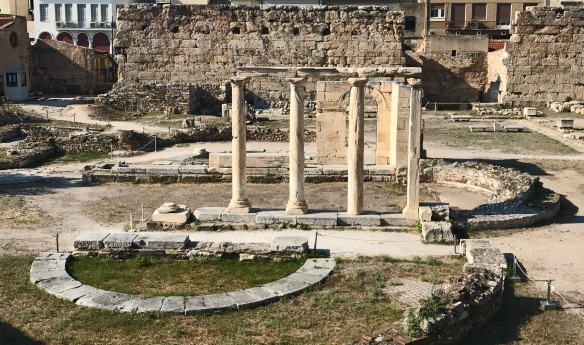
Ruins in an Athens residential neighborhood

The Acropolis towers over Athens, a constant reminder of where you are and with whom you are mingling.  Although Greeks can be divisive in their politics, they are united in their pride. Even the unschooled know their country’s history and innumerable contributions to democracy, literature, art and science.
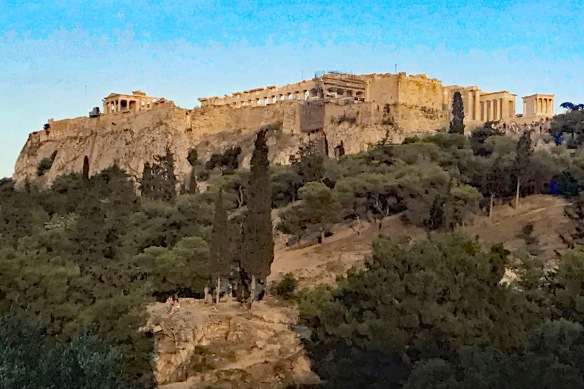
Acropolis, Athens

Nestled under the Acropolis, both the Plaka and Monastiraki Square are hubs of vendors, craftspeople, shops and cafes. There is a surprise at every turn of the winding streets. From dawn to midnight, natives and tourists mingle to barter over trinkets, food, works of art; and to eat and drink in innumerable venues.
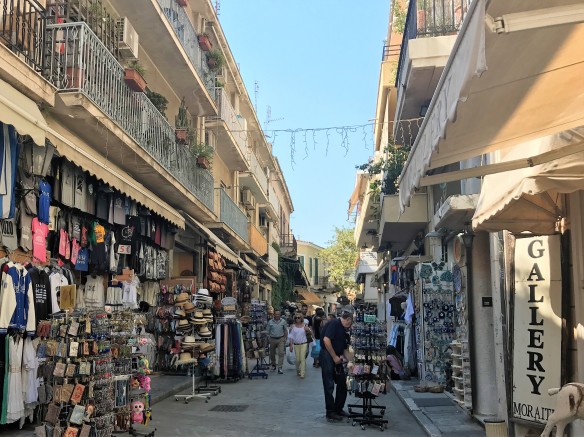
The Plaka, Athens

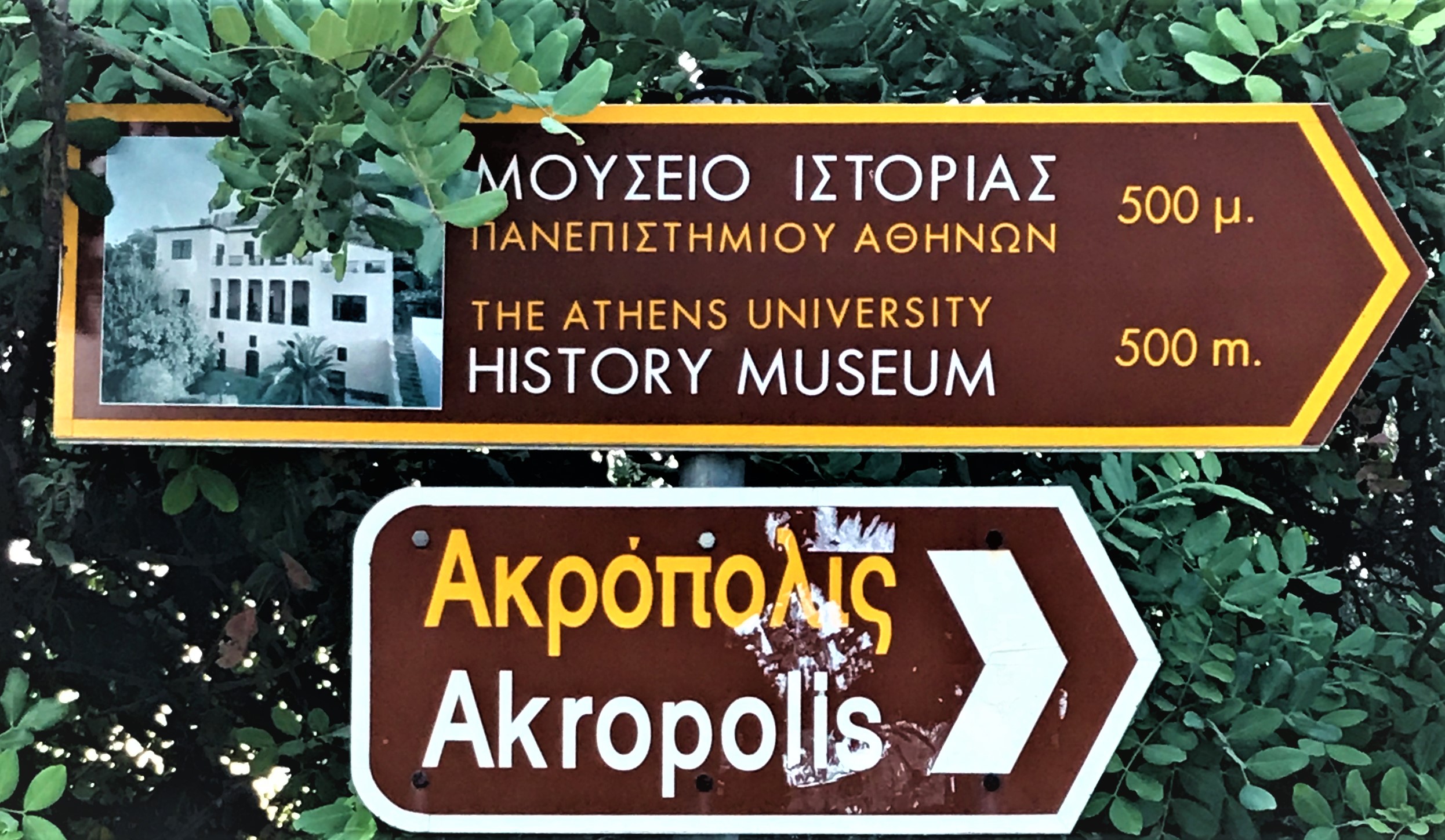
Knowing my love of history, my friend, Giannis, wanted me to experience the past from a different perspective. He took me to the War Museum of Athens, established in 1964 to honor those who fought for freedom from ancient times to post World War II. He promised that I would learn much about history; and, although “war is not my thing,” he was right. The past opened before me in manner unparalleled. Photos, paintings, statues and exhibits portrayed a country under continuous invasion and occupation, with everyday people struggling to maintain their lives and safeguard their families. I have never seen so many guns, rifles, swords, and other tools of destruction in one place!

After I recovered from the shock of seeing thousands of weapons, I focused on the displays in each room. Many of us had ancestors who fought during the Revolution of 1821. Some received Aristeia awards which are earned by soldiers for exemplary actions in battle. Aristeia comes from the word άριστος (aristos) which is defined as “excellent.” In Greek warfare, an aristeia (αριστείο) is an award of great prestige and distinction. I was thrilled to see these medals on display.
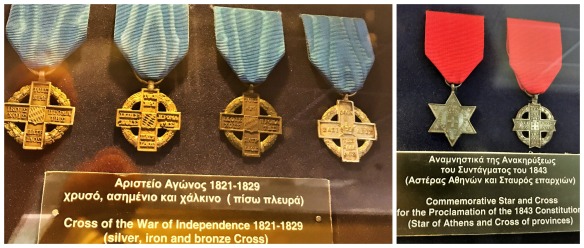
Awards: (left) Aristeia for the Revolution of 1821; (right) 1843 Constitution

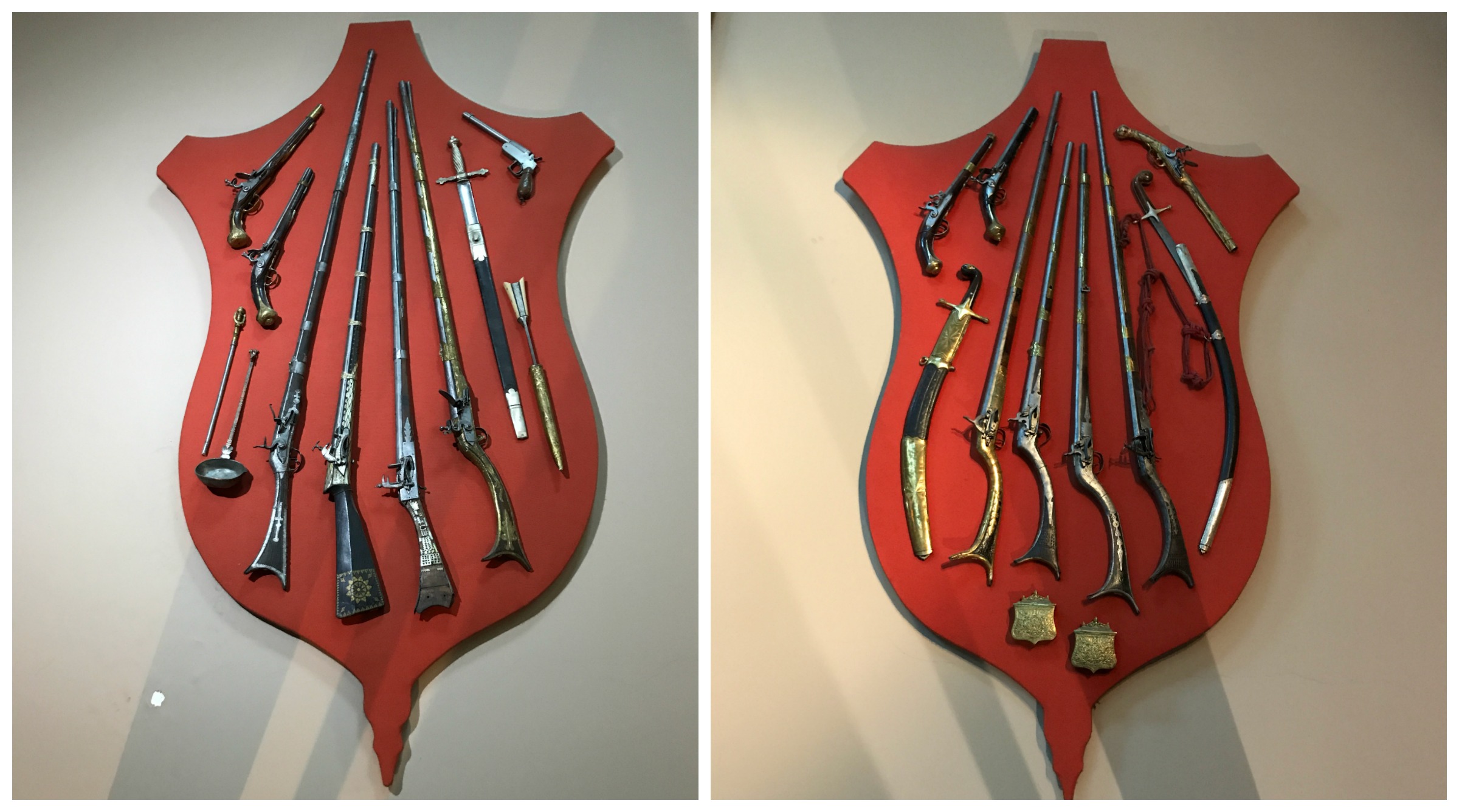
One family story that I am trying to verify is a link between my Papagiannakos and the Maltsiniotis families. In 1887, the Maltsiniotis brothers established an armaments company which was later merged into Pyrkal, one of the oldest defense companies in Greece. Imagine my shock when Giannis pointed out these displays that were clearly marked with the Maltsiniotis name!
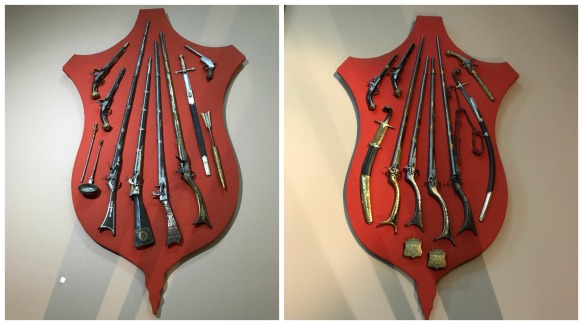
Maltsiniotis armaments

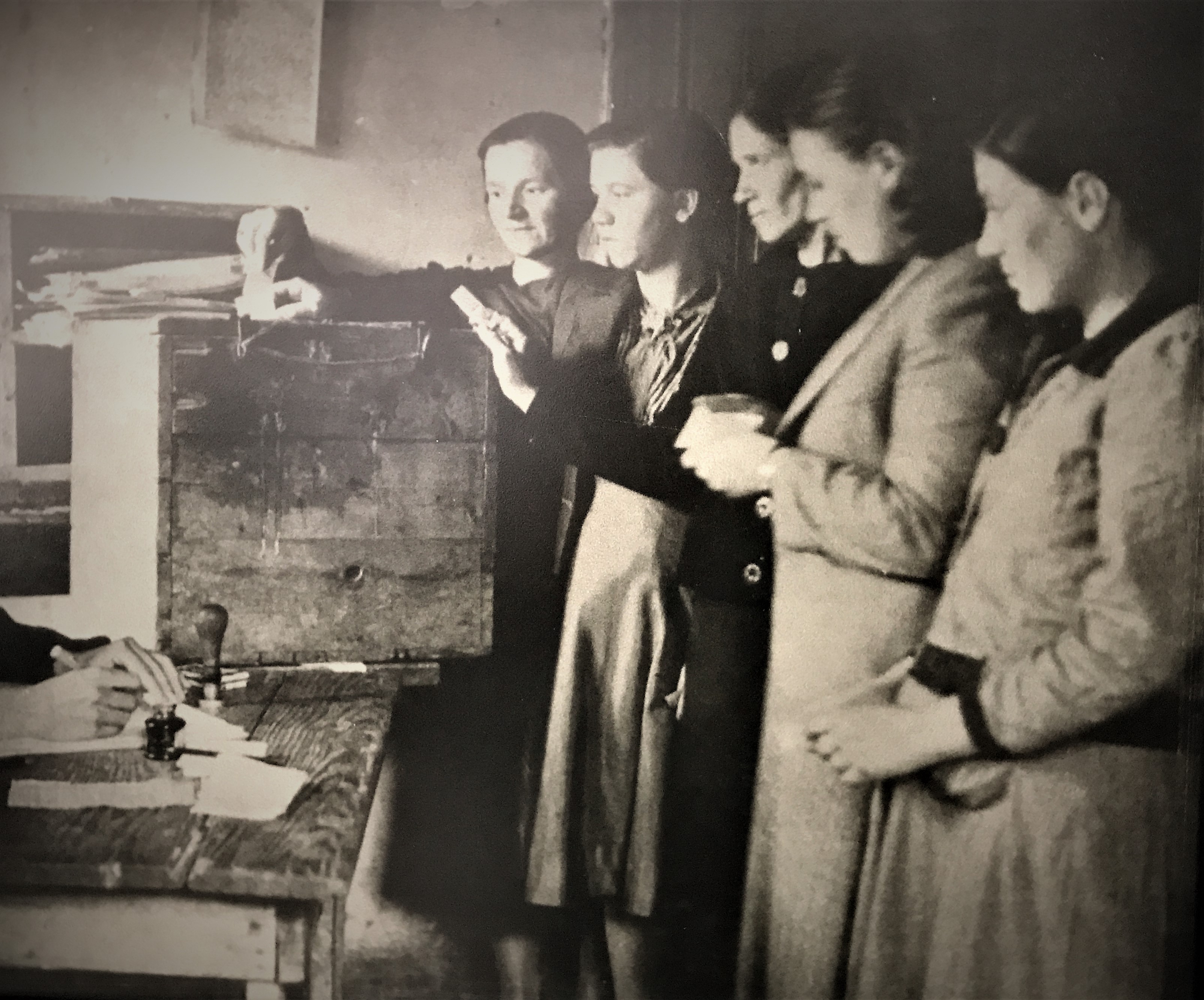
One photograph, thankfully unrelated to war, caught my feminist attention. In 1952, shortly after the end of the Greek Civil War (1949), women gained the right to vote. This picture captured that historic moment, and I felt the triumph of the “silent majority” who were silent no longer.
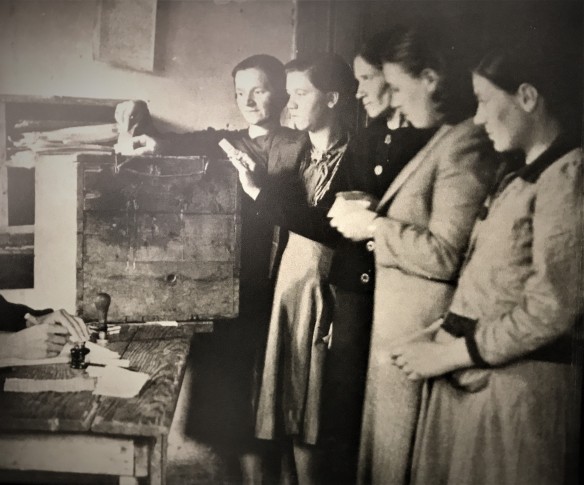
Women voting for the first time in 1952

When men left to fight, women emerged as fierce protectors of the homeland. I am enthralled with the story behind the painting of this strong Maniate woman, holding a scythe in her right hand. During the 1821 Revolution, there was an invasion in Diro, Mani (in the southern Peloponnese). The men were gone, fighting in the battle of Verga, and the women and children were left to tend the fields. When 1,500 Ottoman soldiers attempted to conquer Diro, church bells rang to rally the citizens. Women ran from their fields with scythes in hands. They fought off the invaders and forced them to retreat back to the sea, thus stopping the armies of Ibrahim and preventing an invasion. I love how this woman’s eyes shine with fervor and determination. No one was going to take her land!
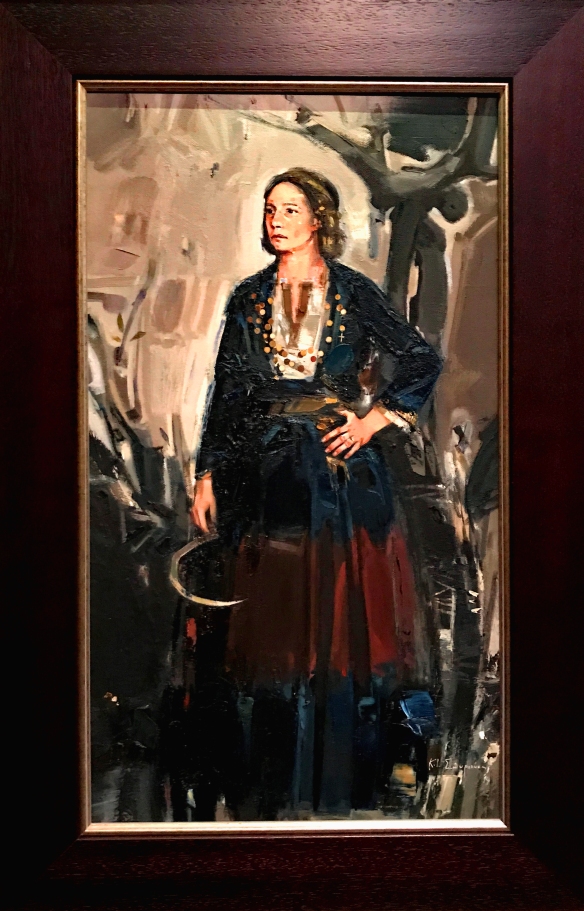
Woman of Mani, 1821 Revolution

This is the plaque further describing this amazing story of heroism.
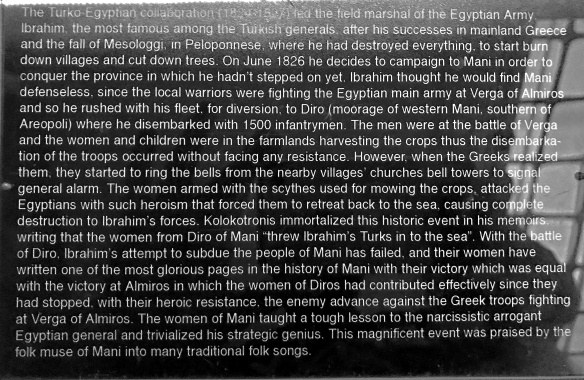
Plaque describing the Maniate women halting the invasion of Ibrahim, June 1826

As I walked each room of the War Museum and studied the myriad of displays, I was reminded that this is but one small country which has been through countless wars and invasions. Hundreds of photographs and paintings depict faces haunted and places destroyed. How senseless war is!

Every visit to Athens is a new lesson in history and culture. I am ever grateful to friends and family who ensure that I will leave with a renewed appreciation and understanding of my ancestral land.


Greece 2017. Part One: Piraeus

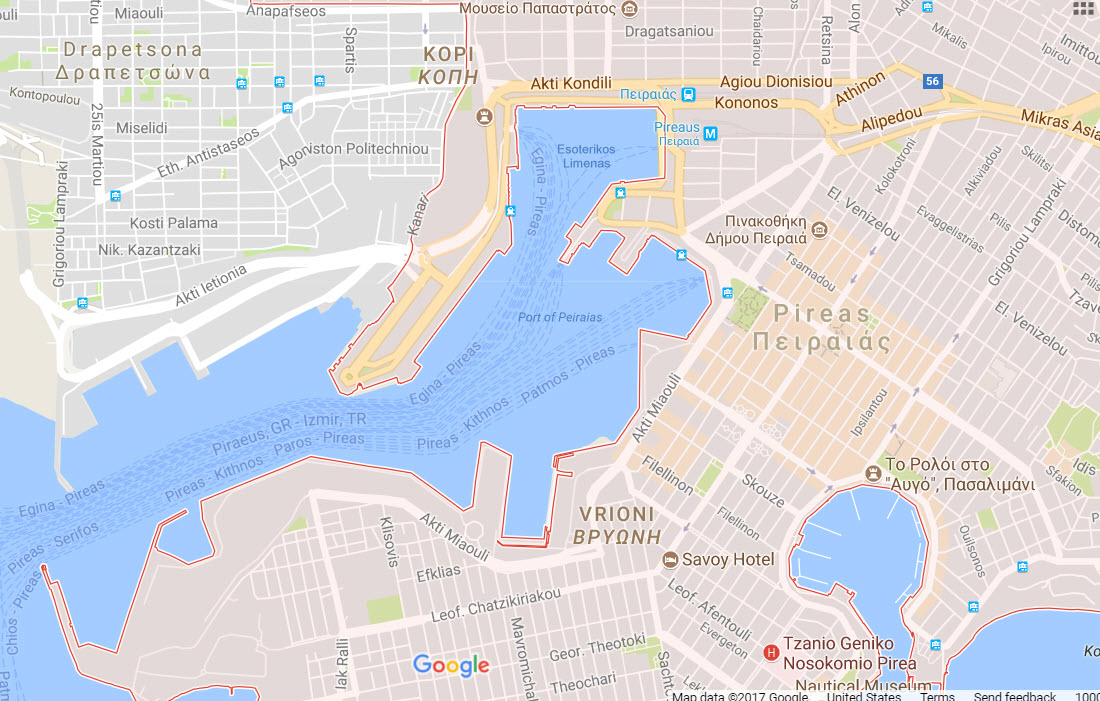
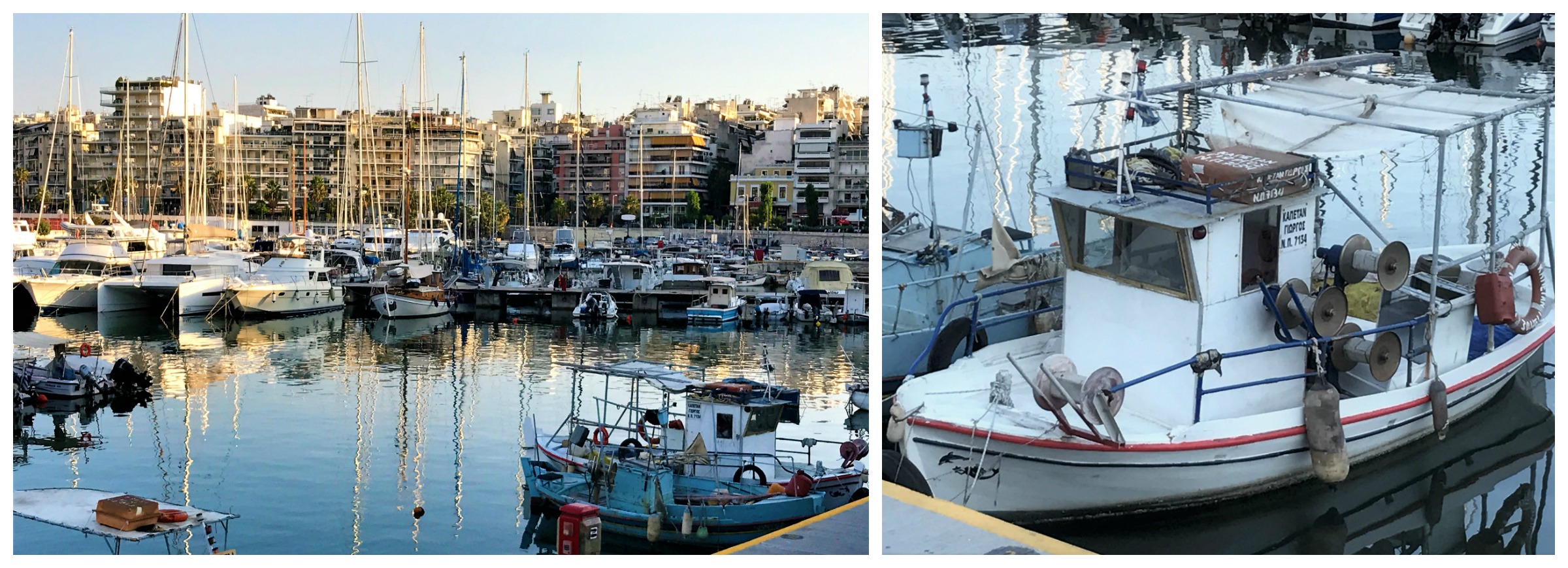
The port of Piraeus is a lively and bustling community of winding streets, hotels, apartments, and shops. As the maritime gateway to Athens, its three harbors stretch for miles around the shoreline, providing numerous docks for cruise ships, fishing boats, and private yachts. Its history begins in the 5th century B.C. when it was designated as the trade center of Athens, seven miles north. Today, it is the largest passenger port in Europe and the second largest in the world.
Piraeus Harbor

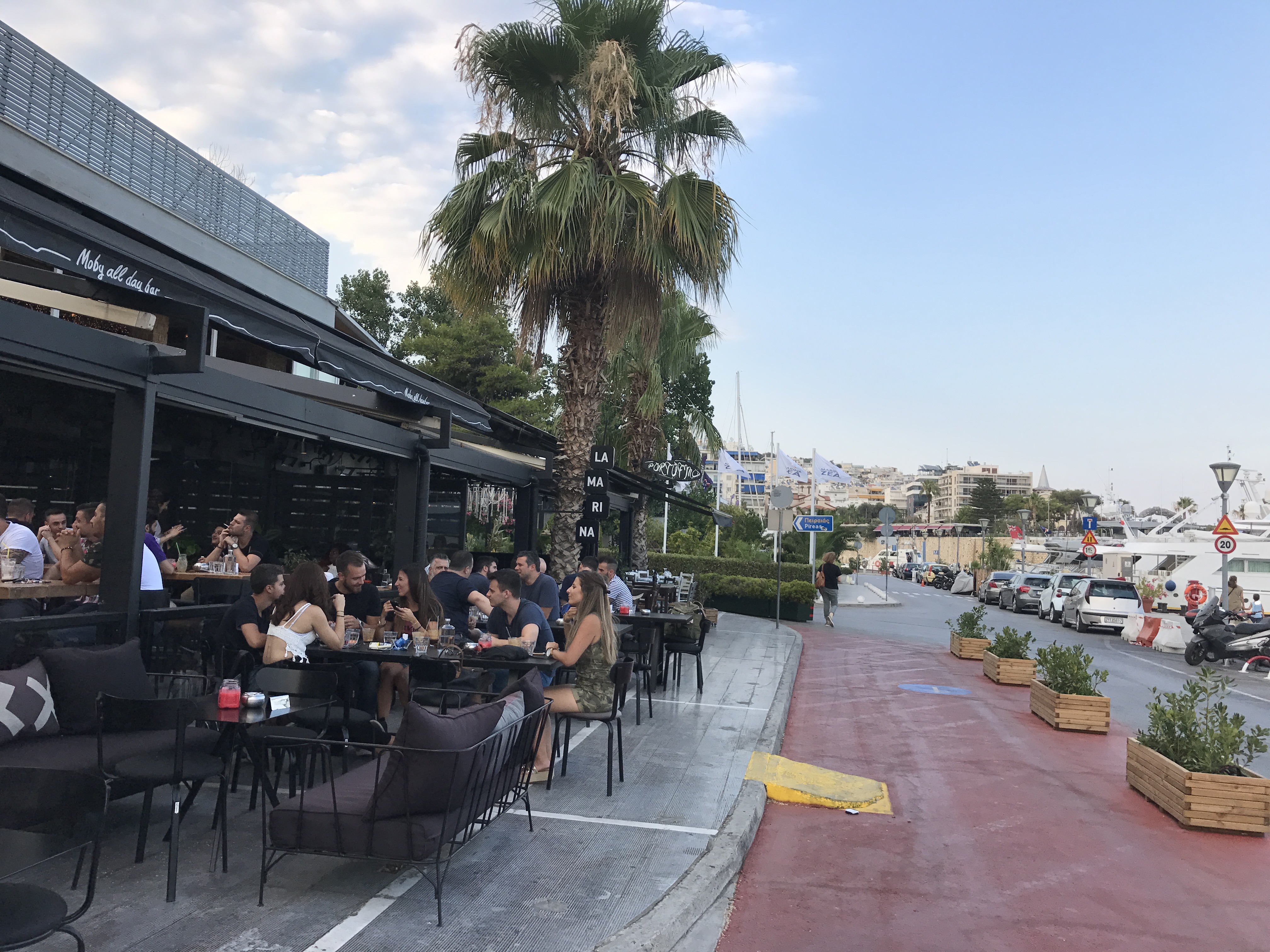
The waterfront is a most picturesque spot to stroll and explore. Countless cafes and restaurants beckoned me to stop and enjoy the view. At 7:30, my friend, Giannis, and I met at an outdoor bar, overlooking the water. We talked for hours about history, genealogy, and village life. At dinner time, 9:45 (!),we moved to a sidewalk table and enjoyed traditional souvlaki while harbor life swirled around us.
One of thousands of restaurants along the Piraeus waterfront.

Piraeus harbor

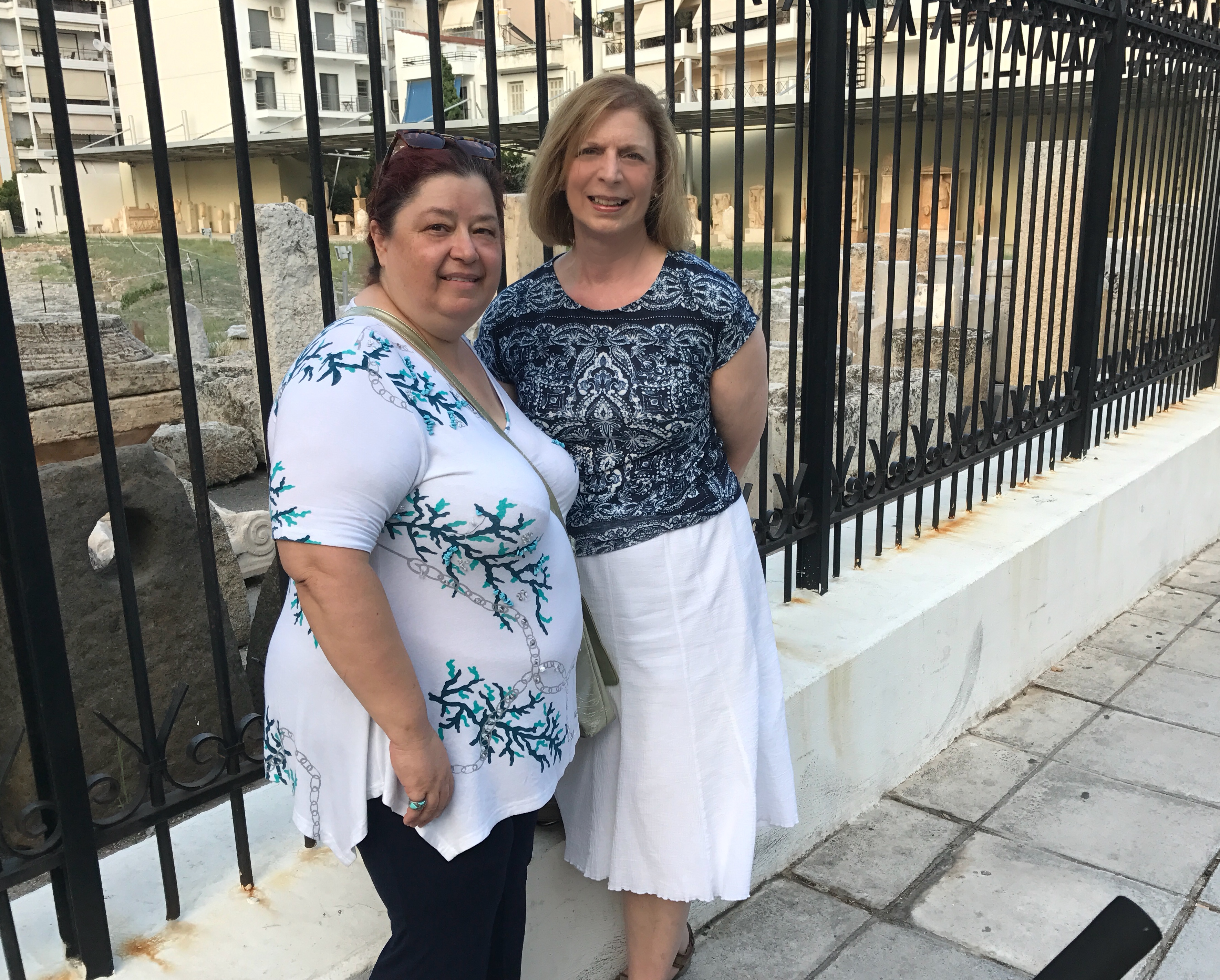
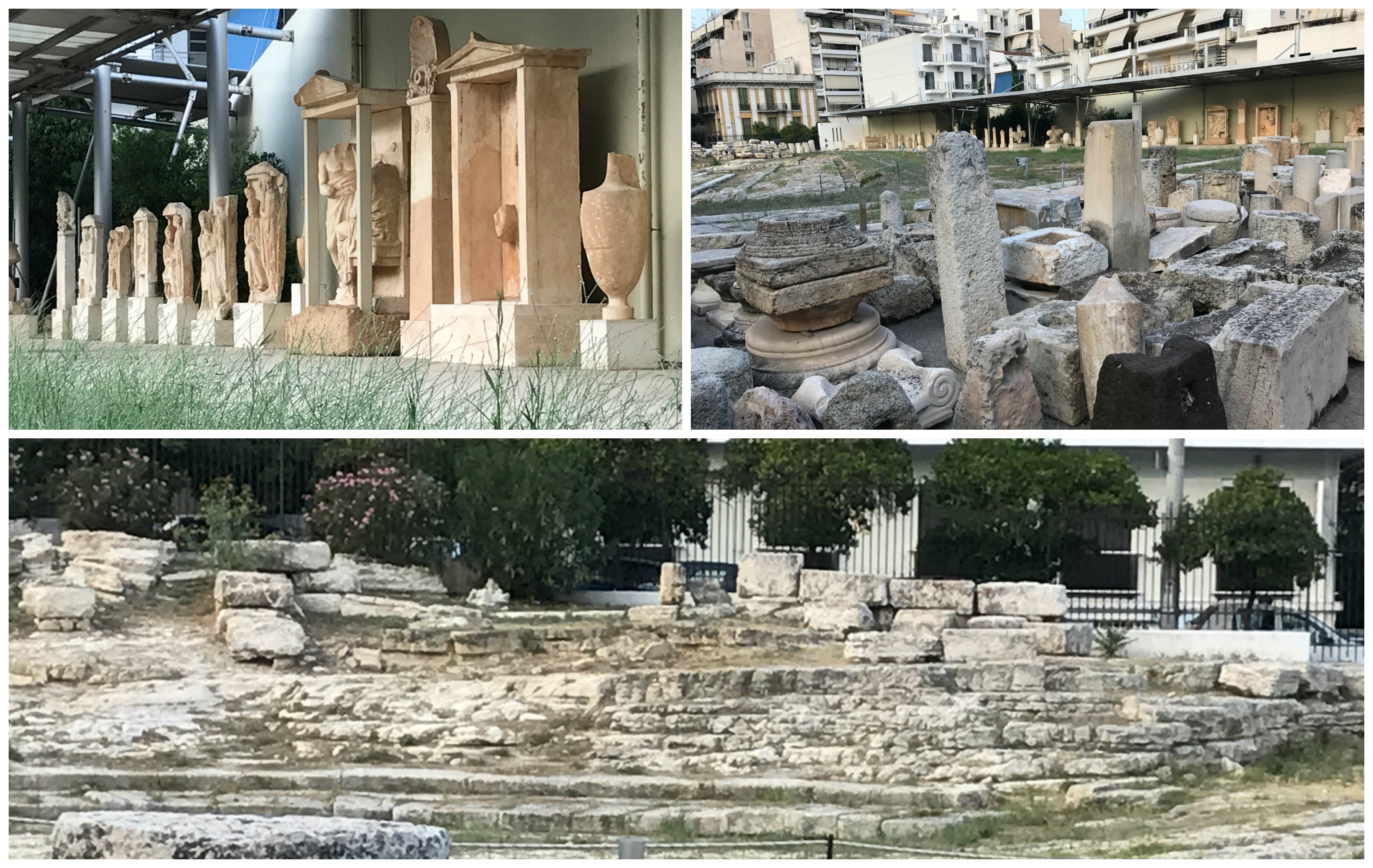
But the sites of Piraeus go beyond the nautical and encompass the archaeological.  While visiting with my friend, Giota, I was stunned to see ruins in open areas–precious relics which I assumed would be safely ensconced in a museum. Wrong! There are so many ancient treasures in Greece that there are not enough museums to hold them. The artifacts in these photos were “protected” by an iron fence and situated in a residential area.

Giota Siora and me, Piraeus, July 2017

Archaeological treasures as seen on a street in Piraeus

It is hard for me to wrap my head around the history which permeates everyday life in Greece. To natives, history is not facts read in a book; it stares them in the face wherever they turn. It is a pillar that is passed on the way to work, or a statue that is seen outside an apartment window. It is the anchor of Greek identity and the substance which forms its collective unconscious, and mine.

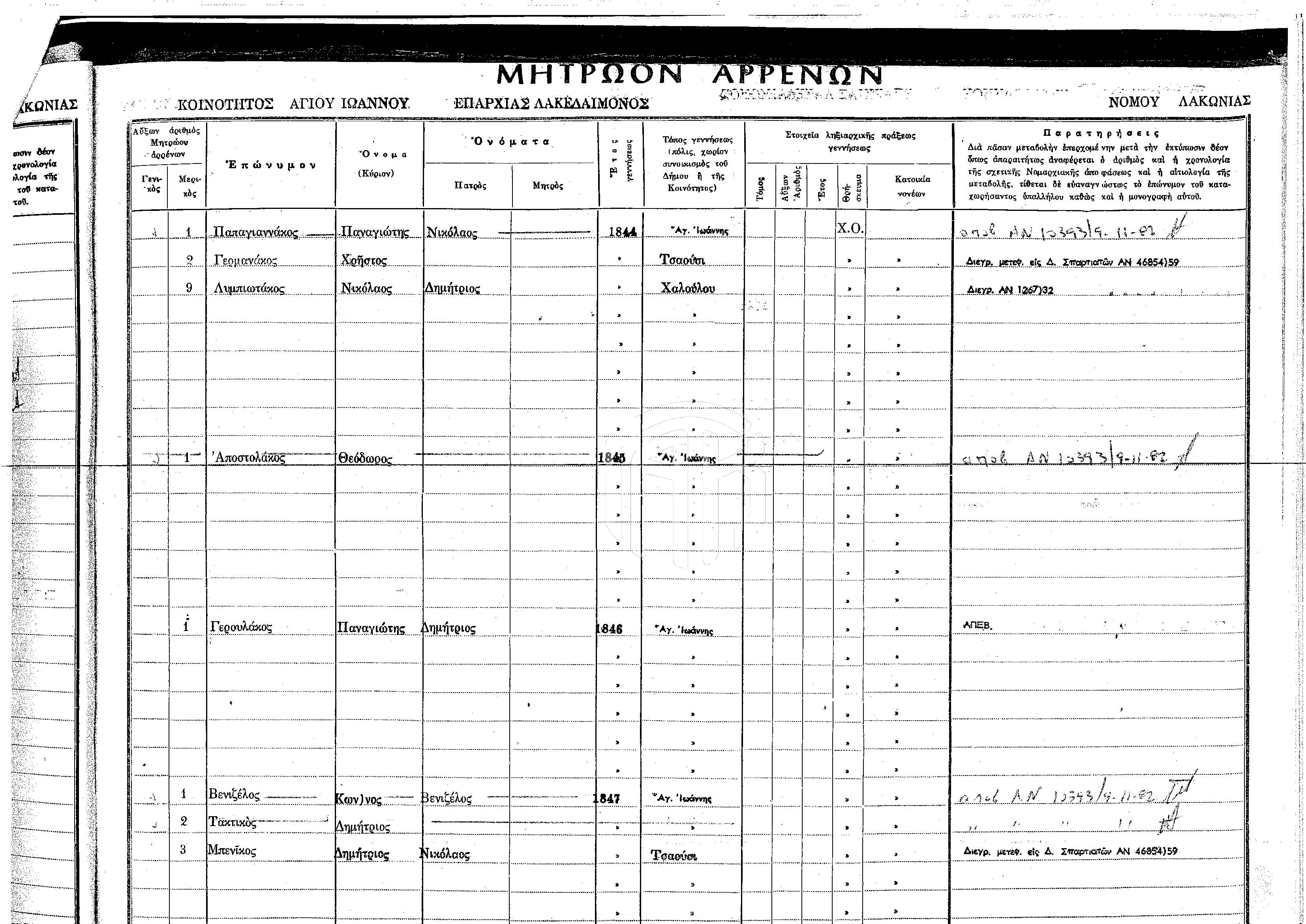
Archives of Sparta: Mitroon Arrenon (Male Registers)

After the Revolution of 1821 when the land of Hellas victoriously overthrew 400 years of Ottoman Rule, the “new” country of Greece began to form a central government. As a means of enumerating males who would pay taxes and serve in the military, the Mitroon Arrenon or Male Register was instituted. Every village was required to maintain a list of male births, the year and place of birth, father’s name and father’s occupation. Over time, these official government registers have also substituted as official birth records.

They are a most valuable and very important genealogical resource.

Mitroon Arrenon, Agios Ioannis, Sparta: 1844-1847

Mitroon Arrenon can be found in the Dimarheion (Town Hall) of the municipality in which the village is located. Some regional offices of the General Archives of Greece may also have copies for villages in their area of jurisdiction. If you are taking a research trip, you must locate these records because, except for rare cases, they are not digitized or found online in the regional Archive offices mentioned above, or at the Dimarheion websites.

My previous post, Reading a Town Register and a Male Register, gives further information on how to read a Male Register.

The Sparta office of the General Archives of Greece has some Mitroon Arrenon in their collection. They can be contacted at:  mail@gak.lak.sch.gr. The staff can read and speak English. Be sure that you include an approximate birth year of your male ancestor, along with his original surname and exact village of birth. Remember that records are created in specific villages, as shown by the list below.

Mitroon Arrenon Records in the Sparta Archive Office
(Note: smaller villages, hamlets and neighborhoods will be found in the record of the larger, closest town)
Anavryti:  1839-1923
Agios Ioannis: 1835-1930
Alepochori, Geronthon: 1830-1950
Alikon, Messi: 1845-1915
Ano Volarion: 1865-early 1900’s
Aeropoli: 1837-1915
Archontikou, Melitinis: 1844-1915
Vatheia, Messi: 1836-1914
Vachou, Laconia: 1839-1915
Vresthena: 1831-1924 and 1925-1939
Geraki, Geronthron: 1826-1914
Germas, Teos: 1836-1915
Gerolimenos, Teos: 1845-1914
Gytheio: 1836-1915
Dafni: 1837-1935
Exo Nyfi: 1841-1915
Karitsa, Geronthron: 1841-1914
Karvela, Teos: 1814-1913
Kelefas, Teos: 1830-1915
Konakion, Teos: 1829-1914
Kotronos: 1831-1914
Kittas, Messi: 1845-1913
Kounou, Teos: 1831-1915
Kryoneriou, Oitylo: 1846-1913
Mystra: 1824-1915
Pyrgos, Oitylo: 1845-1914
Lymperdou, Malevriou: 1842-1915
Minas, Oitylo: 1845-1915
Neo Oitylo: 1834-1915
Neohori, Gytheio: 1840-1915
Dritsis: 1865-1901
Oitylo: 1840-1915
Sidokastron: 1845-1915
Skamnaki: 1825-1915
Sparta: currently not available
Trachilas: 1830-1915
Tzerovas: 1839-1912

If you need a village that is not on this list, or a different year range for a village that is on this list, you will need to visit the Dimarheion (Town Hall) that houses the records for that village.

Return to Greece, 2016. Part Nine: Home Again

This is the ninth and last post in a series about my trip to Greece, June 30-July 20, 2016 — an amazing journey of history, family and discovery. Previous posts can be found here.

Coming back to Sparta was like coming back home. Driving north from Mani on the Sparta-Gytheion Road, I passed Xirokambi and Amykles, two villages that have been newly placed on my ancestral map. The Taygetos mountains on the west, dotted with clusters of red-roofed homes, guided me through lush plains and to the now-familiar landmarks on the outskirts of Sparta.

On the Sparta-Gytheion Road, July 2016

On the Sparta-Gytheion Road, July 2016

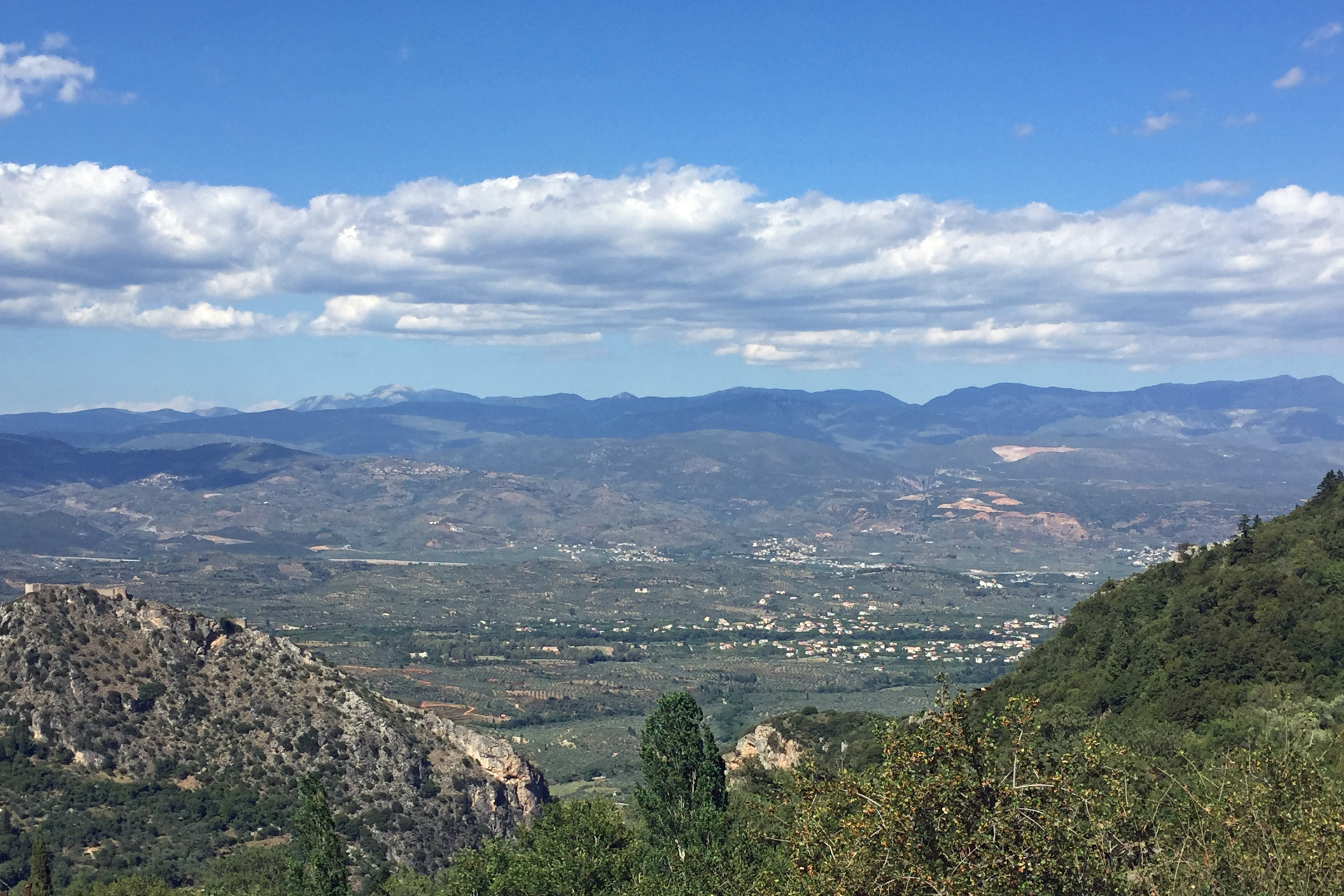
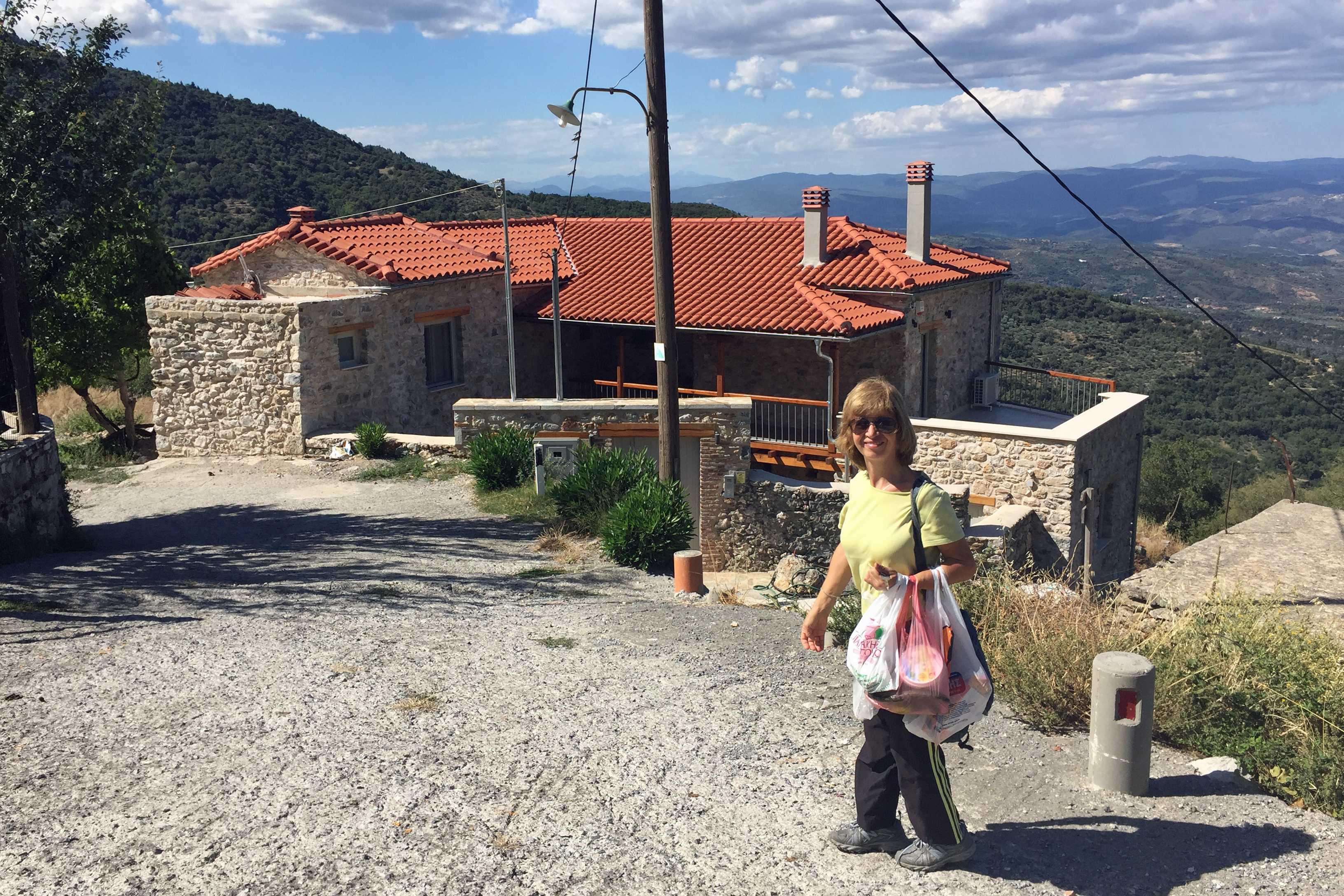
My friend, Joanne Dimis-Dimitrakakis, invited me to spend the night in her newly-renovated home. Named Arxontiko Taygeti, it is a bed and breakfast situated in Barsinikos, almost at the top of a mountain overlooking Sparta and the castle of Mystras. The view is unparalleled and the home is lovely.

View from Arxontiko Taygeti, overlooking Sparta. July 2016

View from Arxontiko Taygeti, overlooking Sparta. July 2016

Arxontiko Taygeti and proud owner Joanne Dimis-Dimitrakakis, July 2016

Arxontiko Taygeti and proud owner Joanne Dimis-Dimitrakakis, July 2016

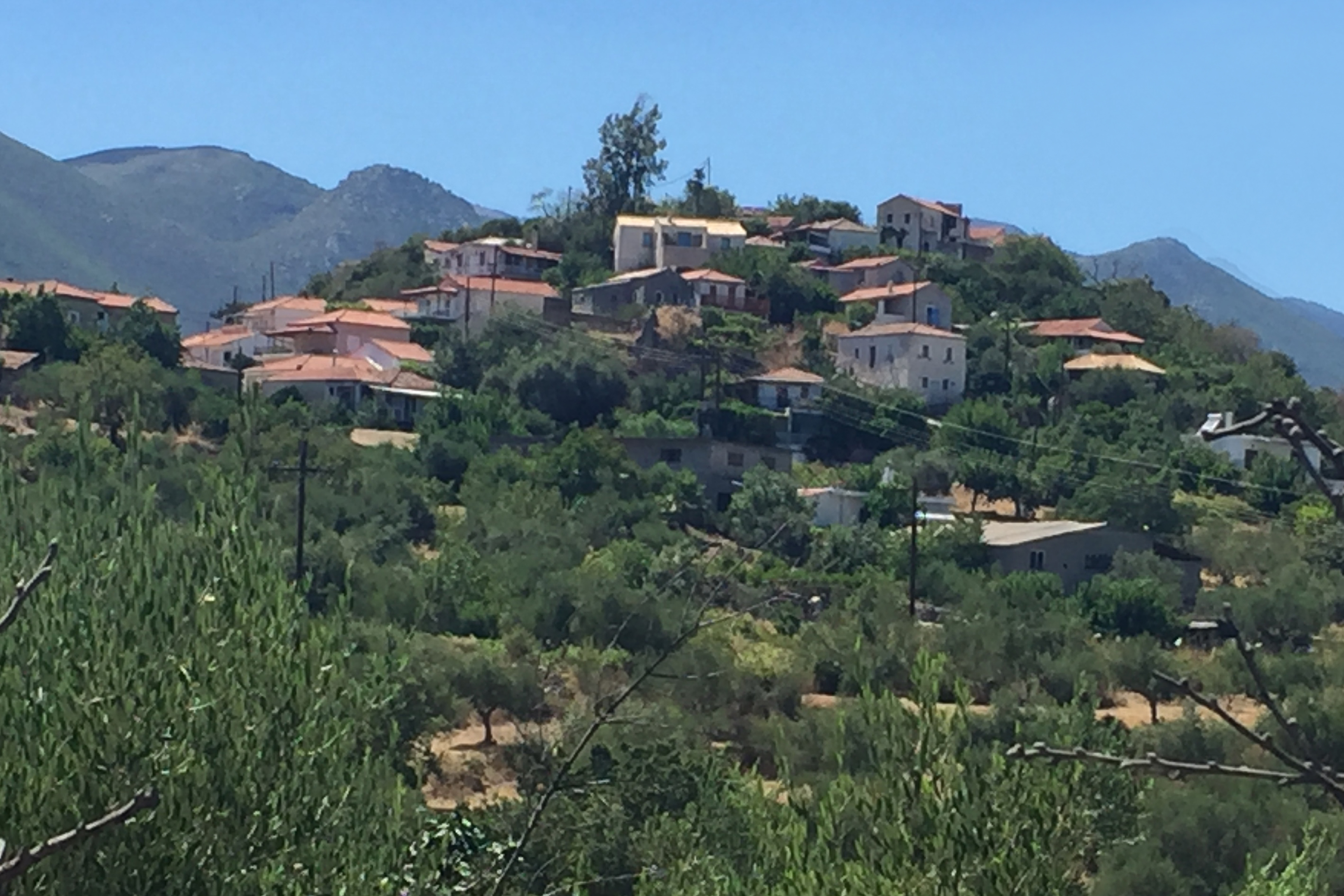
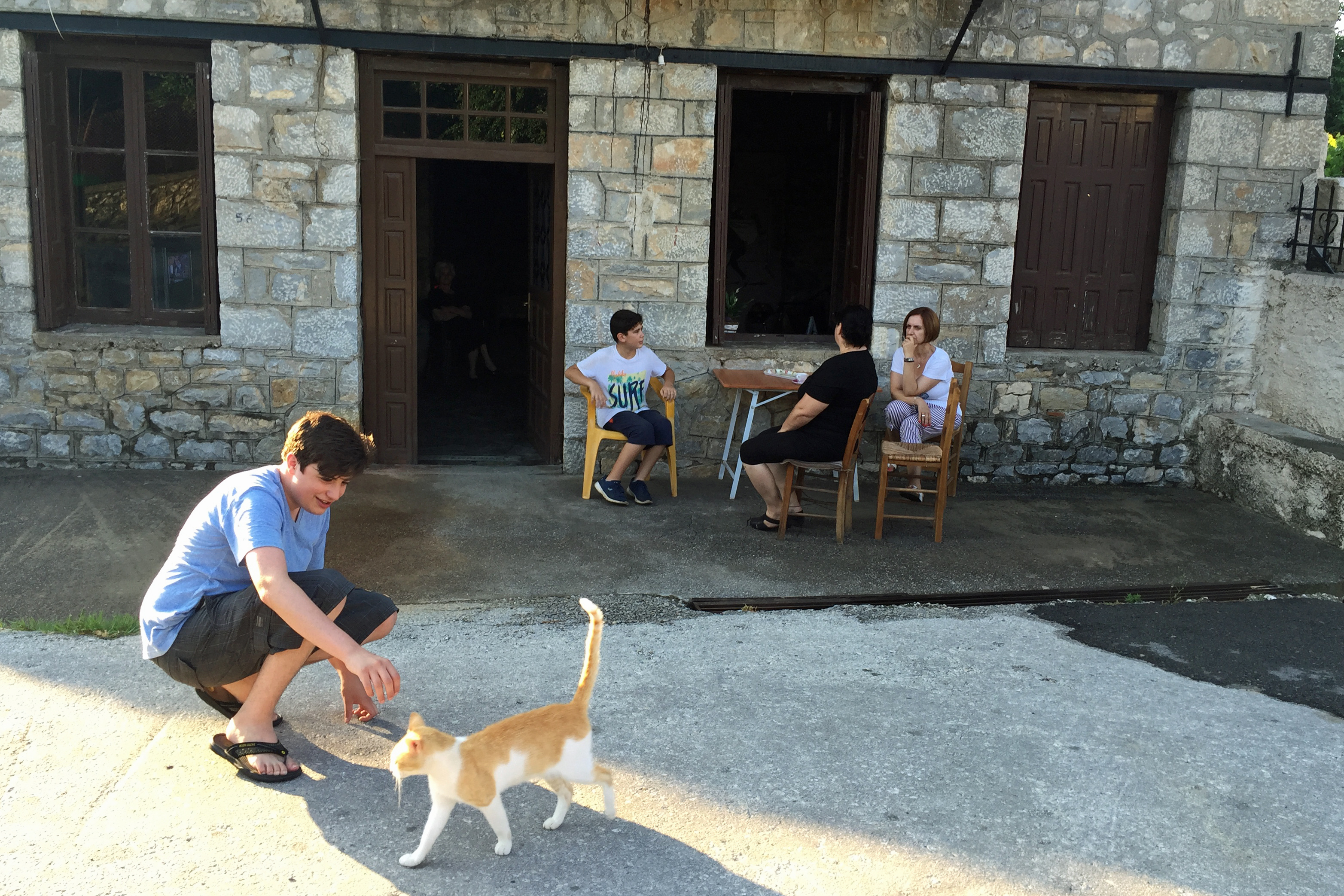
As I prepared to leave Mystras and Agios Ioannis, I drove one last time through these areas to say a silent goodbye. Their serenity and beauty are like a balm to my soul. The sociality and outdoor lifestyle is so inviting. People are not sequestered in their houses; instead, I see them sitting outside, walking, having coffee at a cafe, strolling in the plataea. This almost-communal nature of village life is sometimes good, sometimes not so good — but one is never isolated or alone.

From Agios Ioannis:

Andrew Soper and neighbors in Agios Ioannis, July 2016

Andrew Soper and neighbors in Agios Ioannis, July 2016

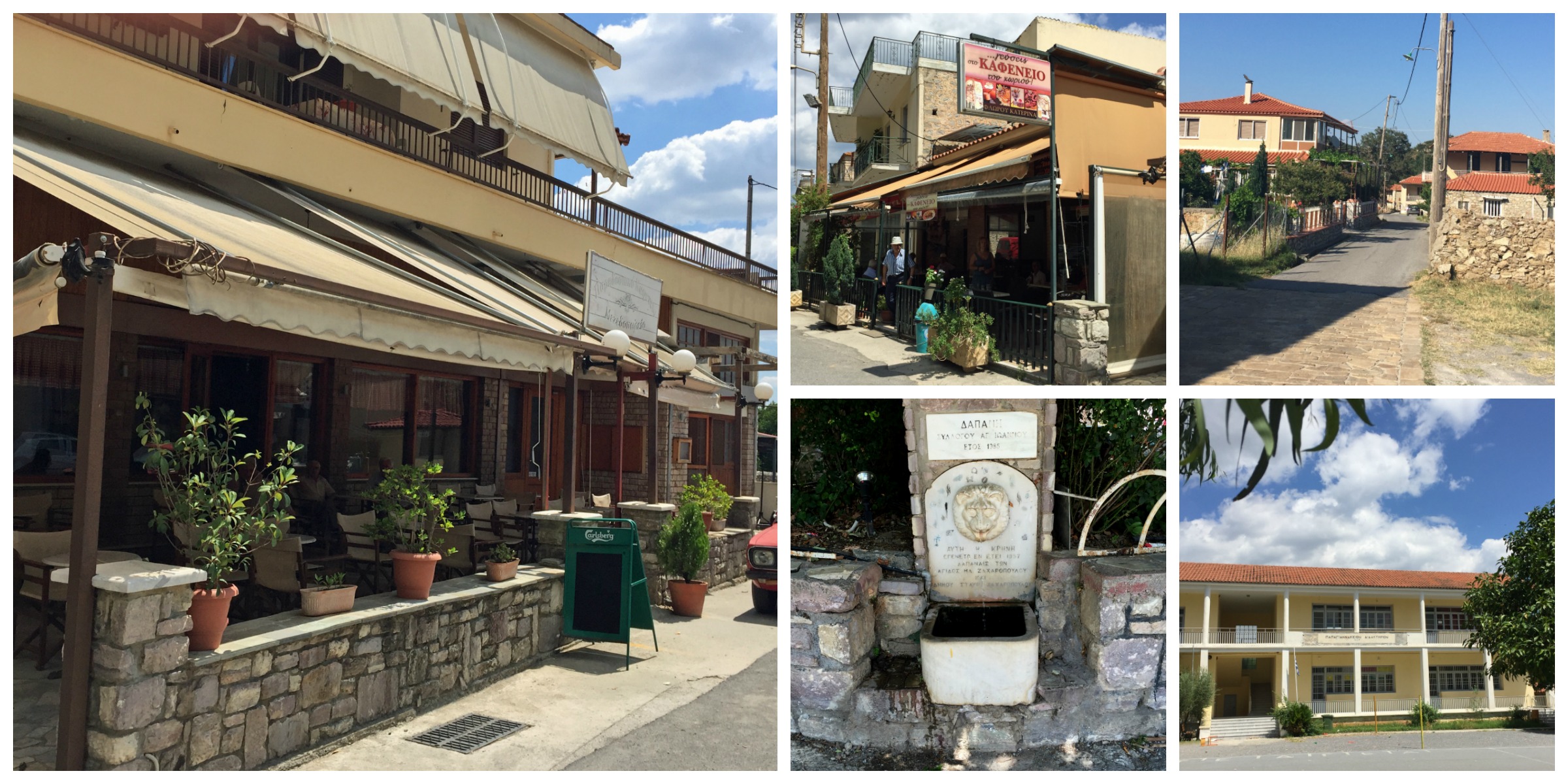
Agios Ioannis, July 2016

Agios Ioannis, July 2016

Agios Ioannis, July 2016

Agios Ioannis, July 2016

From Mystras:

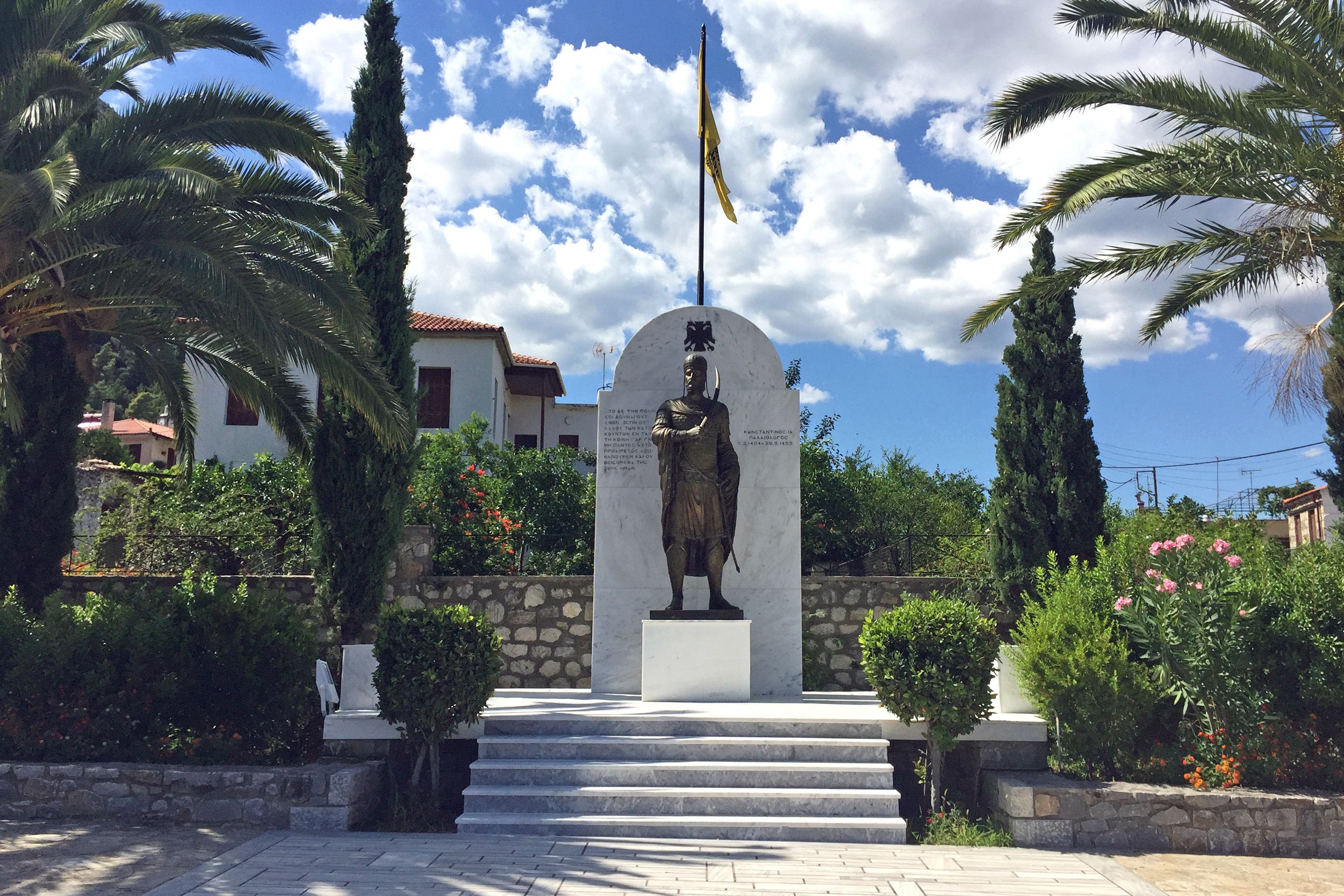
Statue of Konstantine Palailologos, last Byzantine emporer; Mystras, July 2016

Statue of Konstantine Palailologos, last Byzantine emper0r; Mystras, July 2016

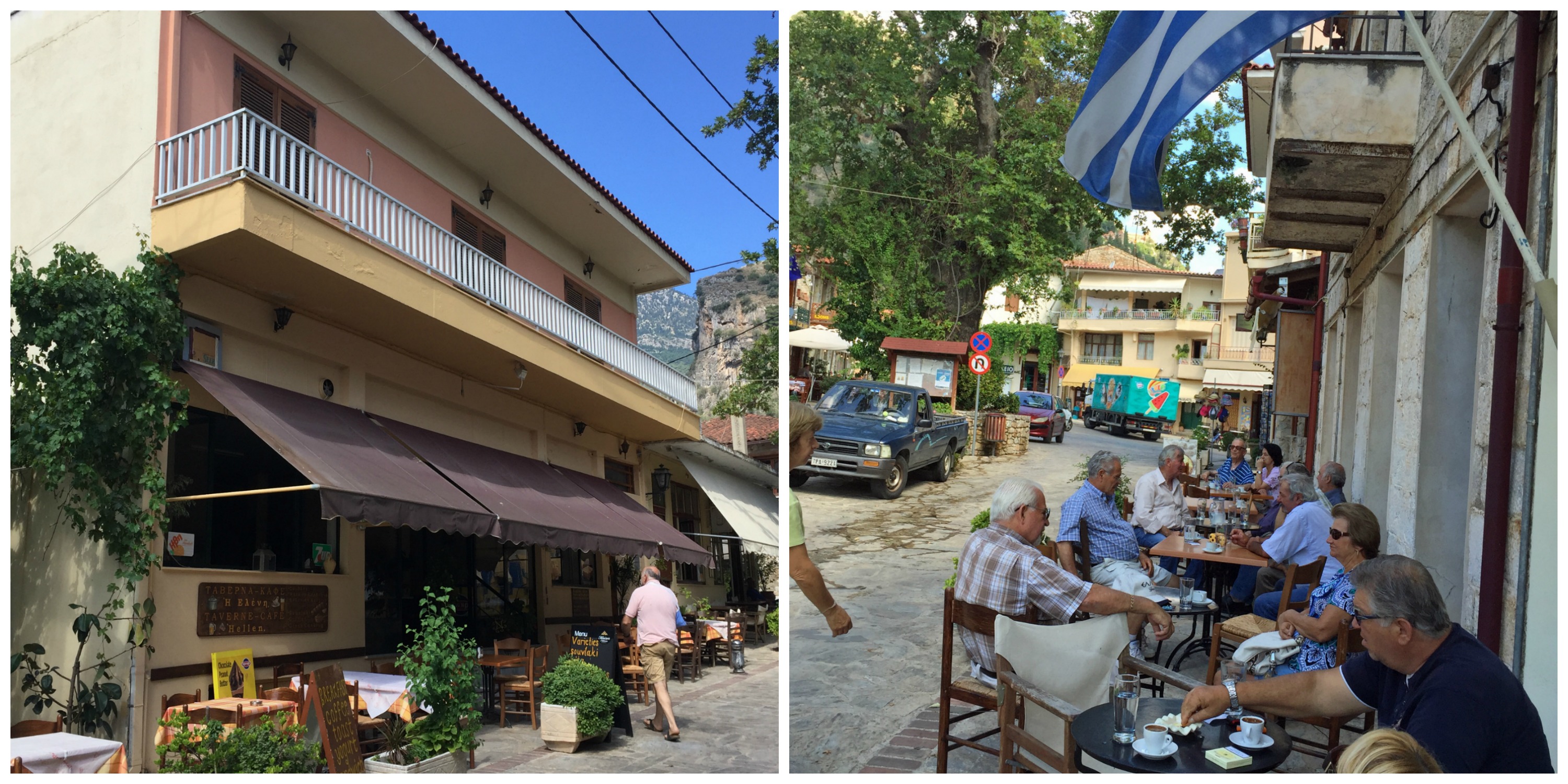
Relaxing at the plataea, Mystras, July 2016

Relaxing at the plataea, Mystras, July 2016

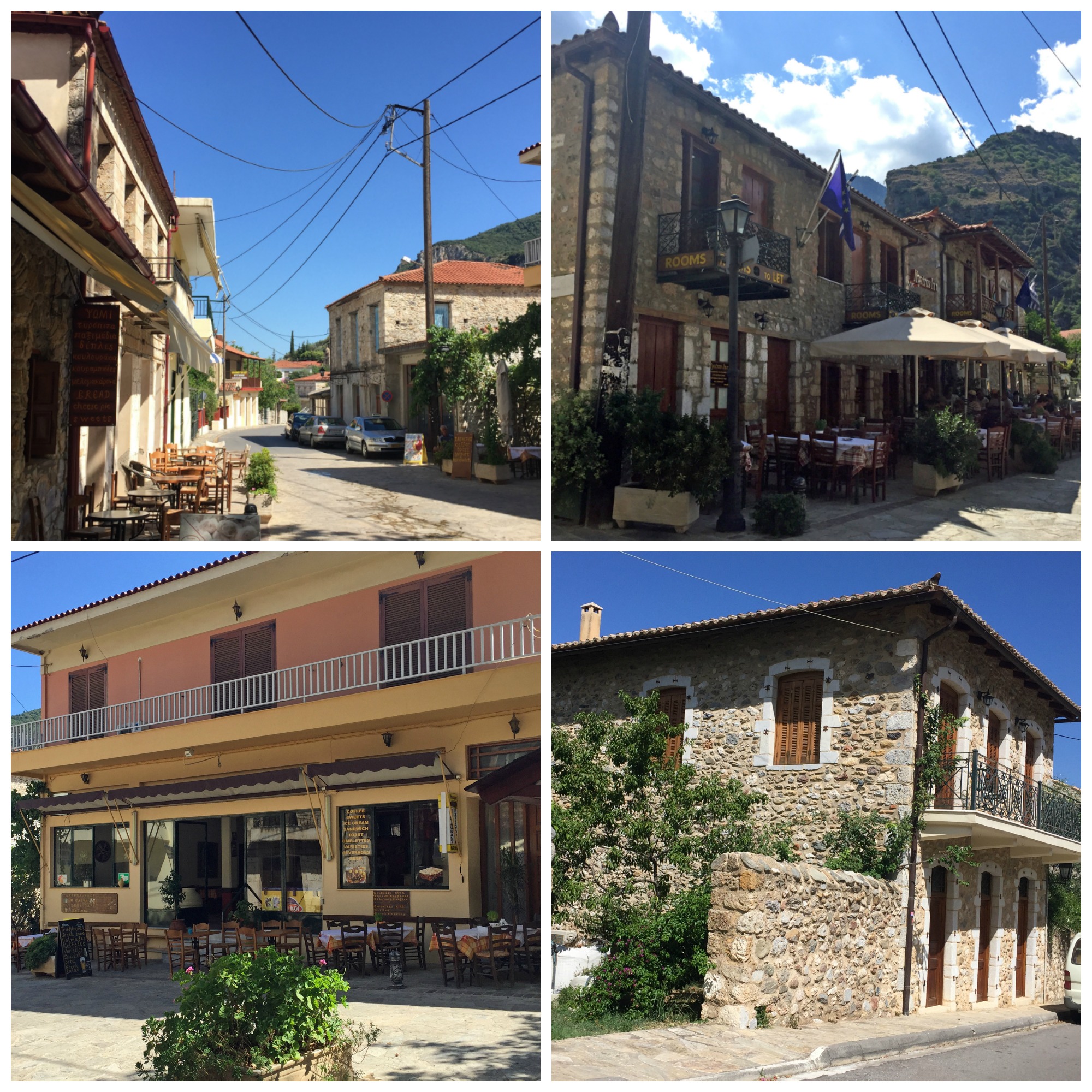
mystras-1-collage

Buildings around the plataea, Mystras, July 2016

Arriving in Athens the day prior to my flight, I also stopped by Giannis’ apartment to say goodbye to his family. At one point during our meal, I put my head down on the table and said that I was very, very sad to leave. I departed with a heavy heart and drove to the airport. Mentally and physically spent, I frittered away the evening and went to sleep early. I knew I was exhausted when I spent the flight home watching three movies and sleeping for a while. Plane time is usually catch-up time for writing, journaling, or reading. But not at the end of this trip.

When I landed at Dulles Airport in the Washington, D.C. suburbs, it felt so odd to be home. I was struck with the marked distinction between the way life is lived in America and in the Peloponnese. One is not better than the other — they are just different, and each speaks to a distinct part of who I am. I left one half of me in Greece. I can’t wait to go back.

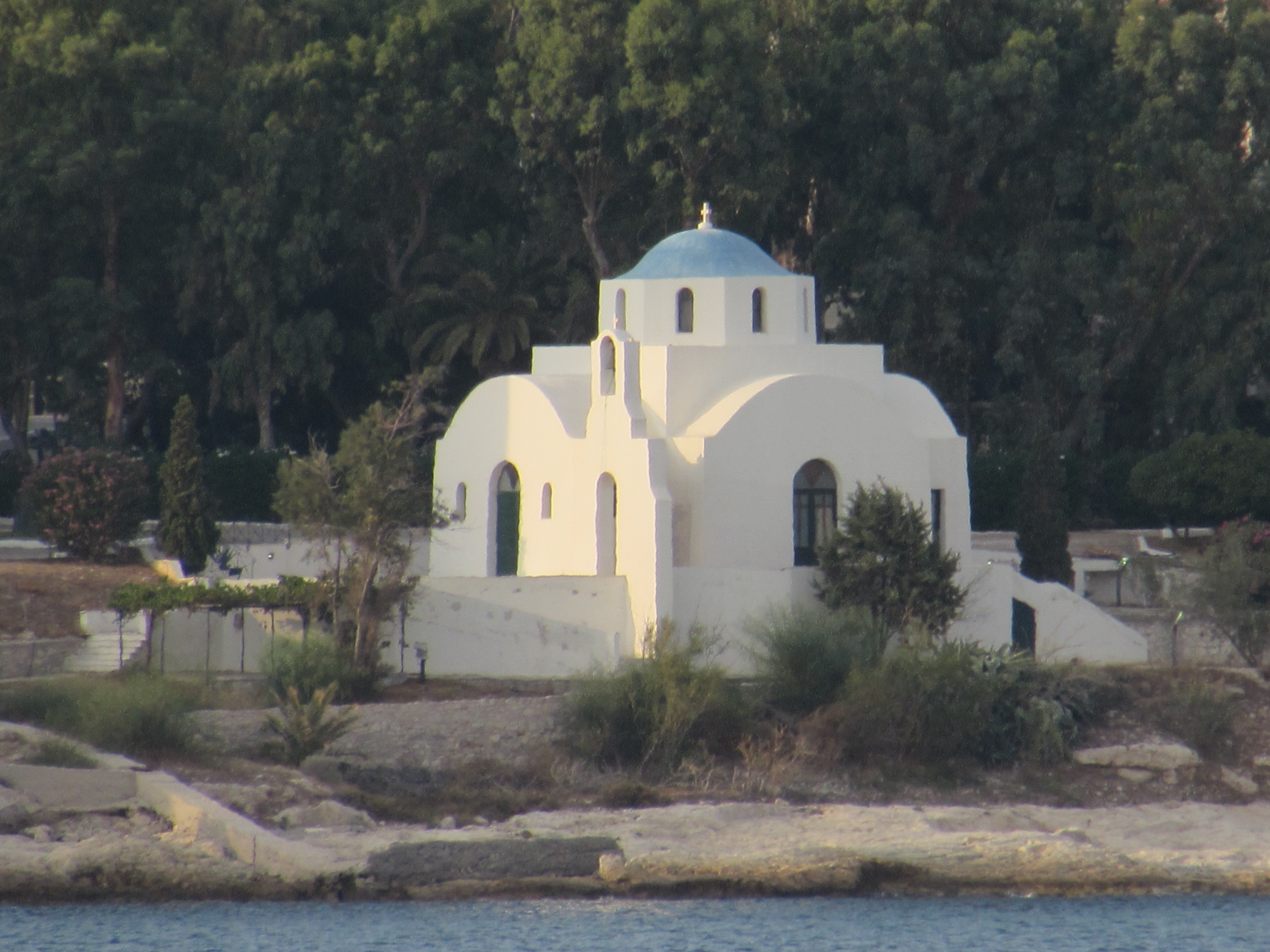
Greek Orthodox Church, as seen from the water approaching Piraeus, July 2016

Greek Orthodox Church, as seen from the water approaching Piraeus, July 2016


.