Cool Documents in Marriage Records

Digitizing Greek Orthodox Church marriage records for the past six weeks has been a huge educational opportunity for me. I am learning about history, families, traditions. During the period of the Balkan Wars (October 1912-July 1913), marriages declined dramatically. Between 1835-1900, the average number of images (not marriages) that we digitized per year was about 1,900; in 1912 there were 1,653; and in 1913 there were only 981. But something happened in 1924–the images we captured for that year spiked to 3,978!

Greek marriage records contain two required documents. One is a letter from the village priest to the bishop, requesting permission for a couple to marry; the second is a letter of approval (or denial) from the bishop. If the groom and bride are from the same village, the letter from the priest has all the information required. However, if the groom is from a different village, then a third document (Pistokoipikon) must be included. It certifies that the groom is registered in the Mitroon Arrenon (Male Register) of his village of origin and that he is eligible to be married.

These documents follow a standard format and have general information about the prospective bride and groom: their full names and father’s name; ages; village of birth/residence; number of previous marriages (if any), occupations and perhaps other information. Prior to 1929, copies of marriage documents were not sent to any government office or to the Dimos (town hall); they were kept in village church or the Mitropolis.

Although I cannot read the old Greek script, occasionally something in a document will catch my attention. I then ask Dimitris (who has worked diligently with me since day one), what it is. That’s when we discover  “cool” documents! Here are a few.

The document below attests that the groom’s first wife died at age 28 of appendicitis.

1926 Sparta, marriage #164; first wife died at age 28 of appendicitis

In this document, pages 1 and 2, a mother gives permission for the bride to marry and go to America. The bride was 16; the age to marry without permission was 20.
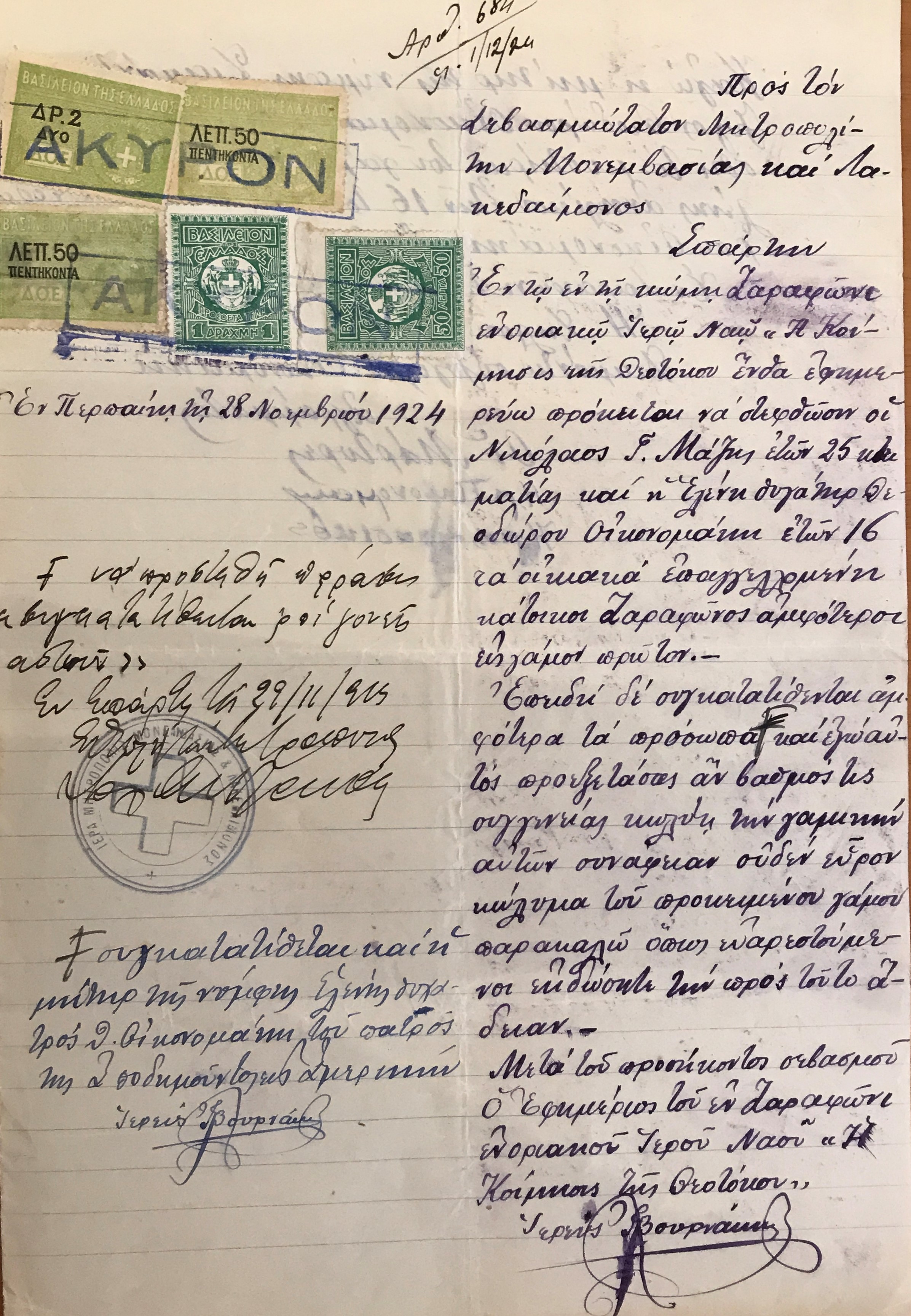
1924 Sparta, marriage #684; permission to marry is given by the bride’s mother

1924 Sparta, marriage #684, page 2; permission to marry is given by the bride’s mother

This is an official letter from the Greek military, giving permission for a soldier to marry.

1920; military document giving permission for a soldier to marry

The unusual black seal in the middle of the following document struck me as atypical. Dimitris explained that the seal is Turkish, not Greek. The groom lived in Ioannina, Epirus which, in 1912, was under Turkish rule. (Epirus was ceded to Greece in 1913.)
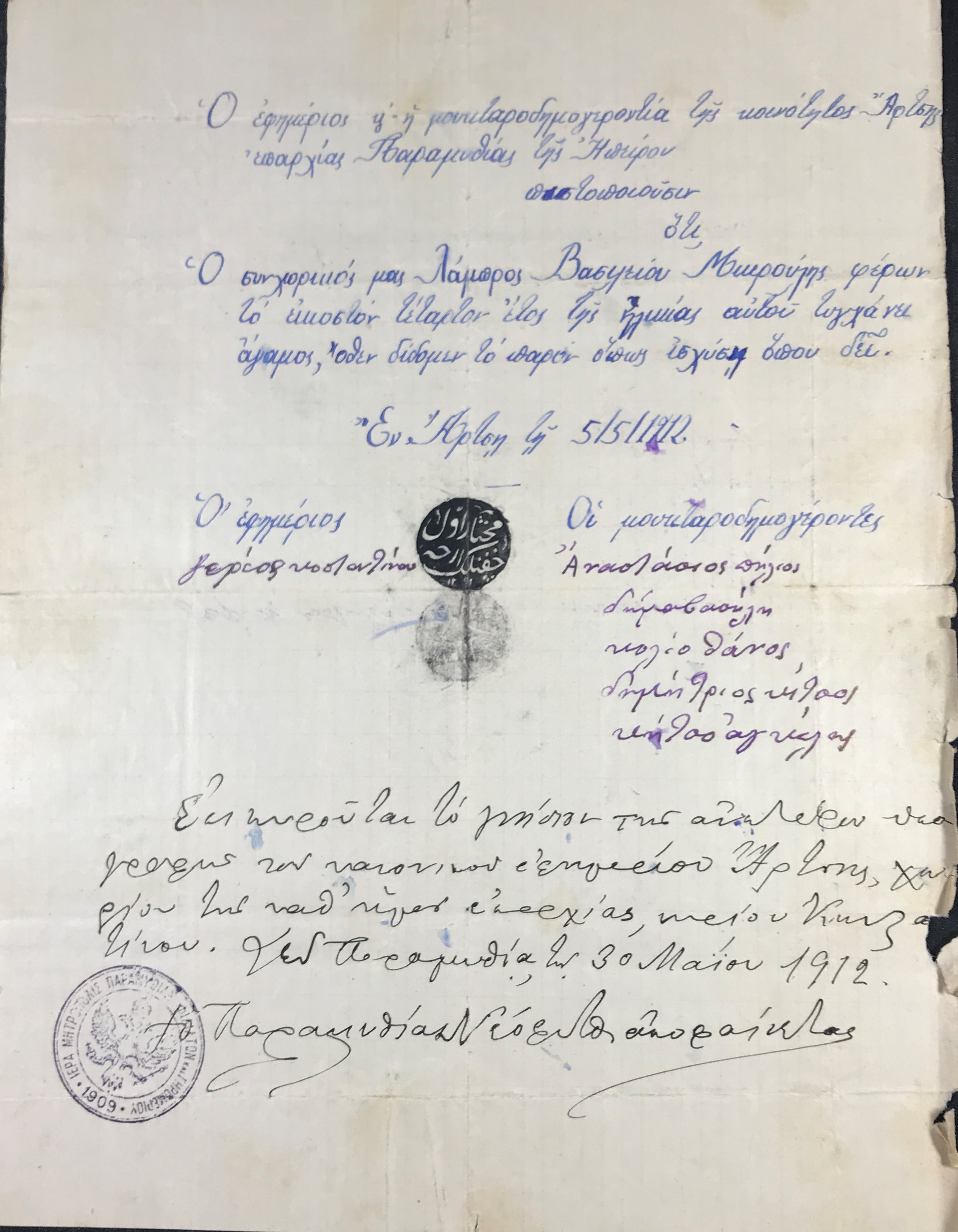
1912, the black seal is Turkish

This 1902 Pistokoipikon was signed by the Patriarch of Constantinople–a highly unusual occurrence and finding it generated a lot of excitement in the Mitropolis! The Patriarch’s signature is the tall writing on the top of the page.
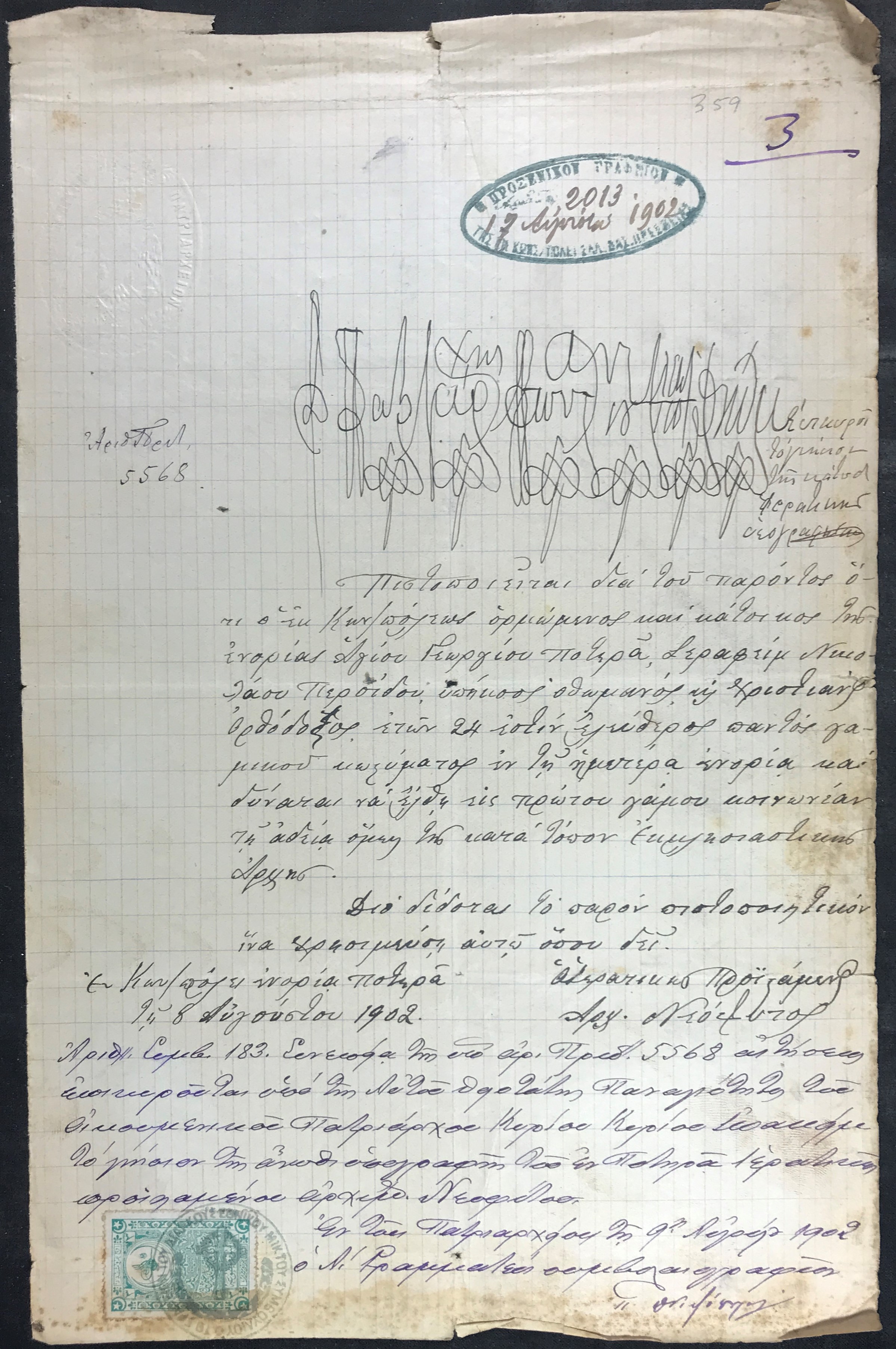
1902; the Patriarch of Constantinople signs this Pistokoipikon

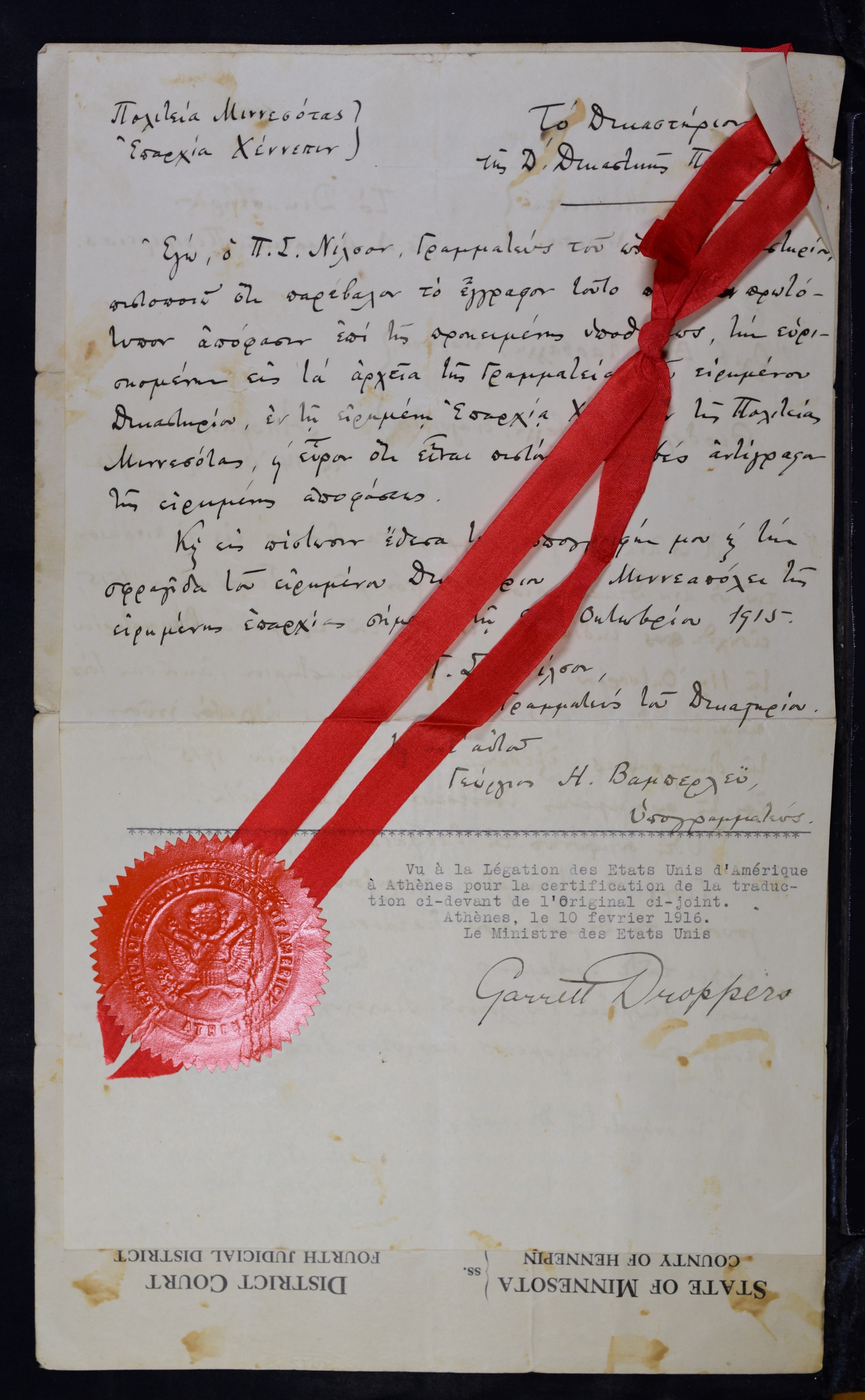
We find many divorces which occurred both in Greece and in the United States, especially after the 1900’s. This 1918 document is a divorce decree from the state of Minnesota, and was translated into Greek.

And then, there are cases where the marriage did not take place. We have to remember that just because a license was issued, that does not mean that the nuptials occurred! In the marriage files, there are simple one-line notes, signed by the priest, that state there was no marriage.

1922 Trinasos, “no marriage”

Digging into old records is like a treasure hunt — you never know what you will find!

Papa Georgiou’s Family Tree

I always enjoy talking with the priests who pop in and out of the room where I am working. Many are young and will spend a couple of years at the Sparta Mitropolis before they are assigned to a church. Others may spend a lifetime in service there. One of the longest serving priests in the Mitropolis is Papa Georgiou. For 50 years, he has daily and faithfully fulfilled his responsibilities and served five different Bishops. His eyes are kind, he is gentle, and he has maintained the Orthodox tradition of not cutting his hair or beard after being ordained a priest (today, priests can choose whether or not to follow this pattern).

One day when Papa Georgiou stopped by to say hello, we talked (using lots of hand gestures due to my broken Greek) about the importance of the digitization project — to preserve marriage records and eventually make them available to researchers around the world. Amazingly, my message was understood and his eyes lit up. With much enthusiasm, he began talking rapidly about his family and the research he had done. I had a hard time following him and must have looked a bit confused. He said he had something to show me.

He left the room, and returned with a scroll. As he began to unroll it, I could see he needed help. I held one end and continued to move backwards until it was fully unwound. I was truly speechless when I realized the scroll documented his family history research, and it stretched about 20 feet!

Papa Georgiou unrolls his family tree scroll, June 2018

Papa Georgiou has worked on his family history throughout his life. Yet, even though he has access to any and all records that are available in Sparta, he could go back no further than his great-grandfather, Konstandinos Blathras born 1790, died 1881. That’s about the time frame where most of us are brick-walled as well.

Papa Georgiou did not limit his research to Greece. He has family in America and traveled there many times to visit and gather the names of his kin. I was surprised to see that the data was typed in English. He explained that his nephew in America entered all his research into a computer and had the scroll printed. A perfect blend of old and new (a pattern I see everywhere around me in Greece).

To say that Papa Georgiou is proud of his family history research is an understatement. This is one of his crowning achievements. Just look at the joy in his face! My goal is to follow his example and leave such a legacy for my posterity.

Family history brings us joy!

Greek Genealogy Webinar, April 11 & 18

I am honored to have presented a two-part webinar on Greek Genealogy, hosted by professional genealogist and my friend, DearMYRTLE. Please join me as we explore ways to further your family history research in Greece.

Session 1 was held on Wednesday, April 11, 2018
Topic: Finding Your Original Surname & Village of Origin
The link to the archived webinar can be accessed on YouTube here.

Session 2 was held on Wednesday, April 18, 2018
Topic: Church and Civil Records in Greece.
The link to the archived webinar and supplementary links can be accessed here.

There are handouts and supplementary materials for both sessions which are captured on a Google spreadsheet. That link can be found here. I suggest that you download the spreadsheet so you can have access to the many resources contained therein.

I hope these webinars will be of help to you!


In Memorium: John N. Pouletsos

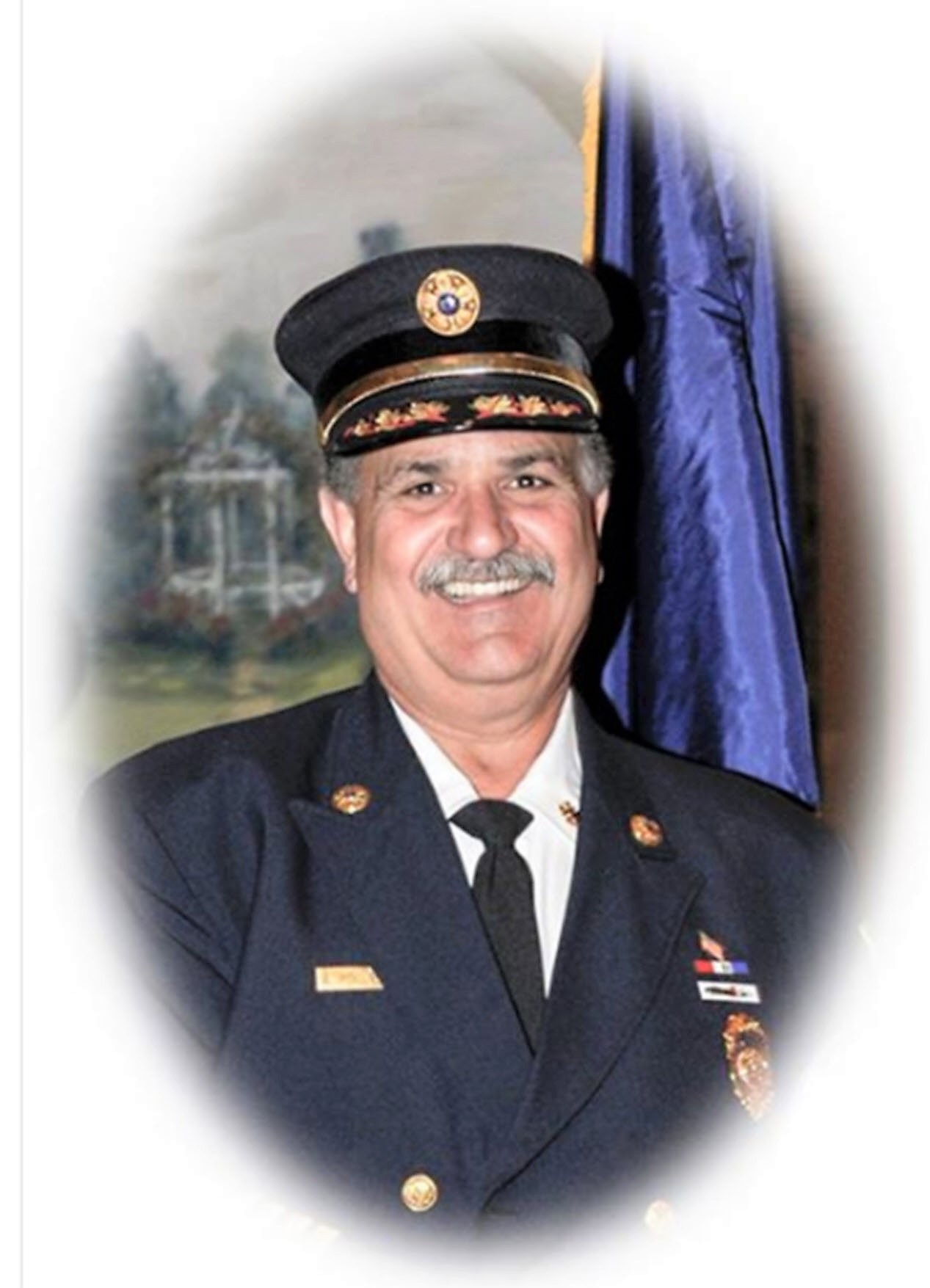
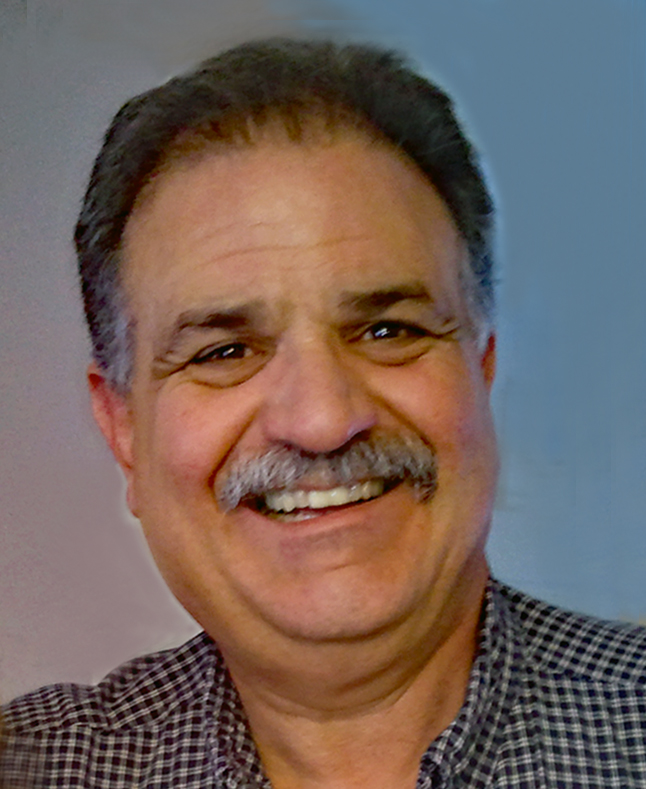
John Nicholas Pouletsos, 1950-2018

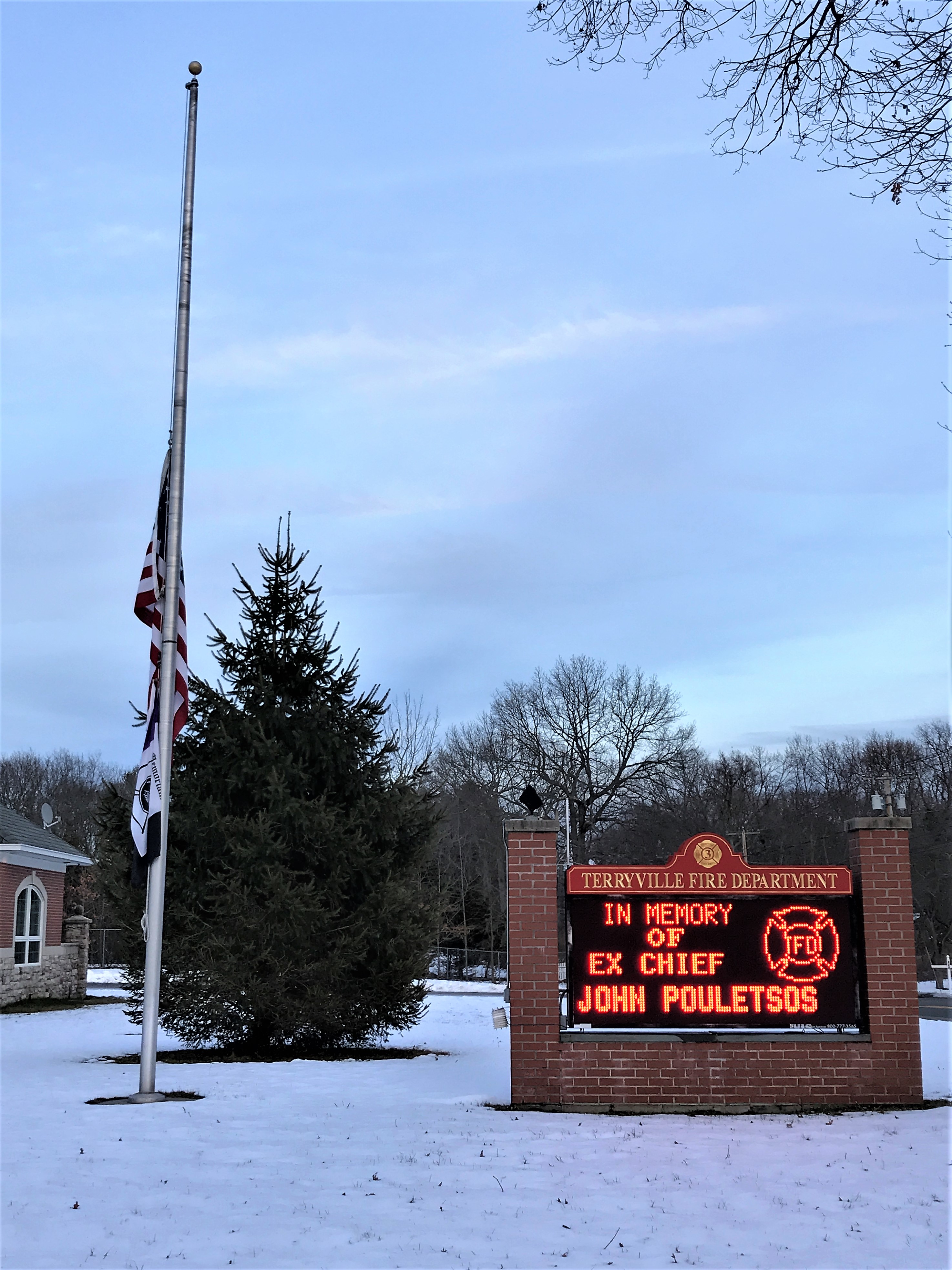
My cousin, John Pouletsos, was laid to rest on April 3, 2018 in a manner befitting an Ex-Chief of the Terryville, New York Fire Department. Felled by an apparent heart attack last Thursday morning, his family and colleagues gathered by the hundreds to honor his life and his service to the community of Port Jefferson.

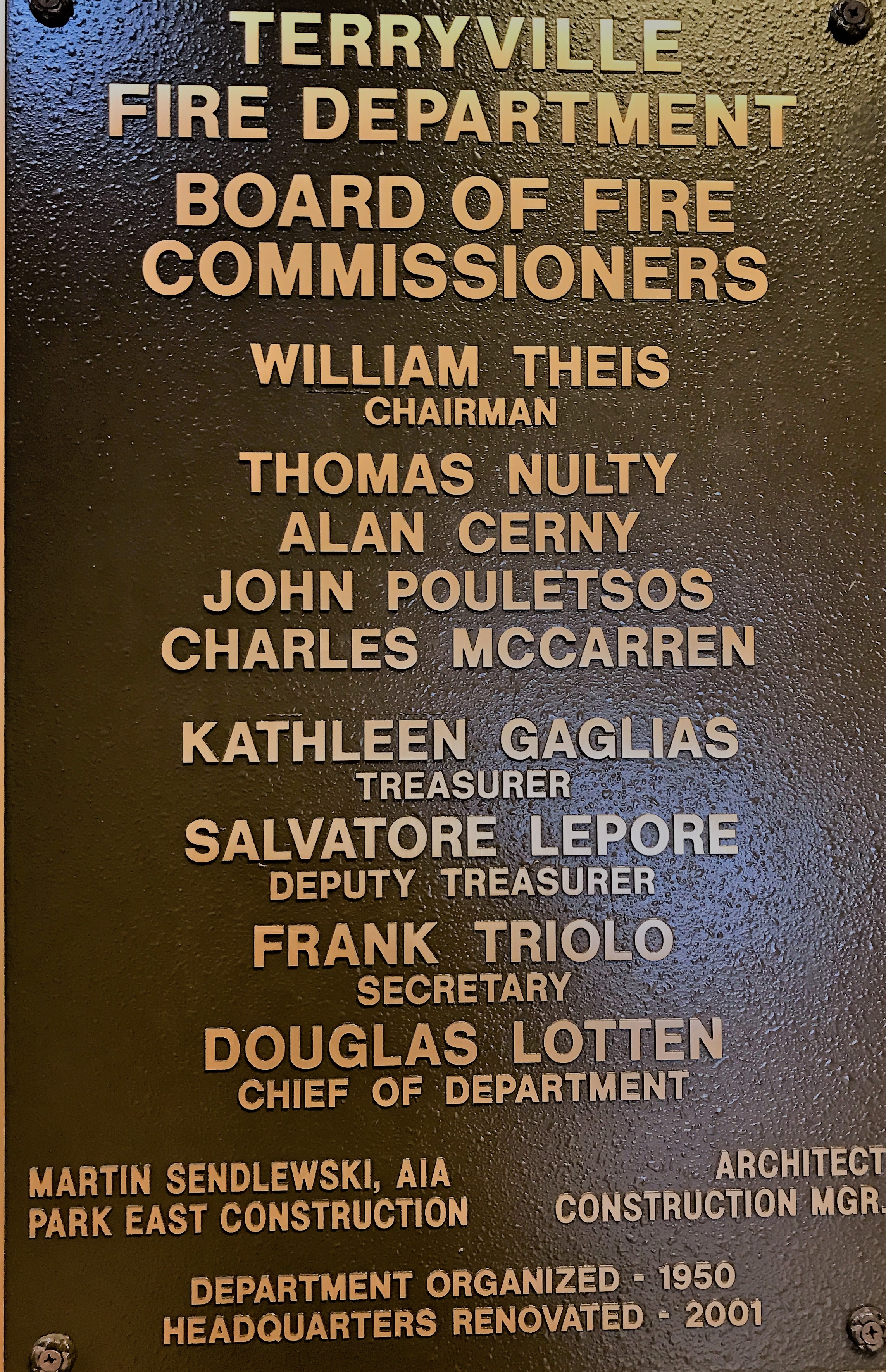
John had served the Fire Department for nearly 50 years in Companies One, Two and Three, and as Fire Chief during 1989-1990. He also served as a Commissioner. After retirement, John continued as a member of Company Five.

John was eulogized by the Terryville fire chief as a man whose gregarious laugh, jovial personality and almost 50 years of service in the Fire Department brightened the day of all who associated with him. As we met and spoke with his colleagues and citizens, we knew that he was dearly loved by them as he was by us.

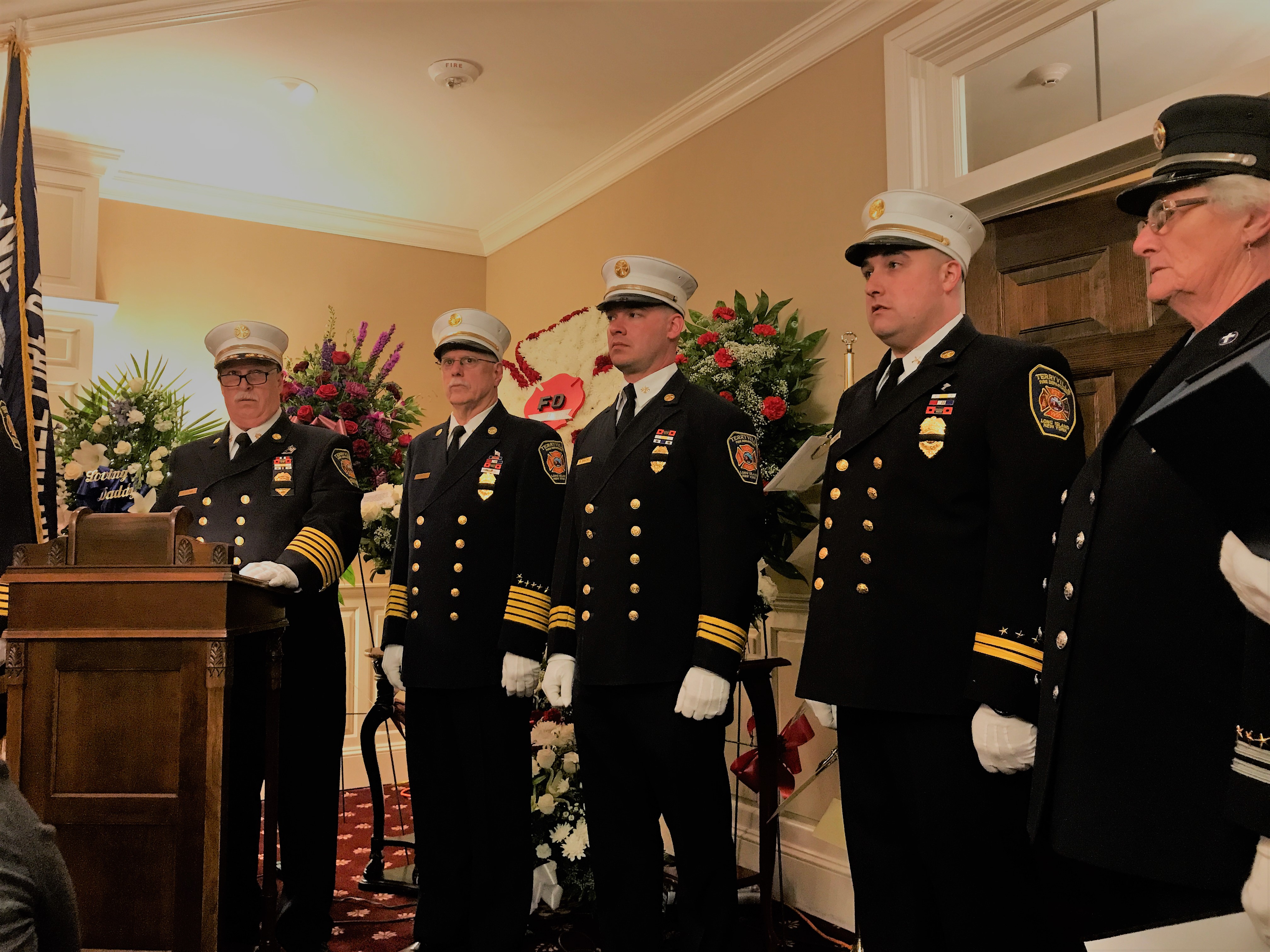
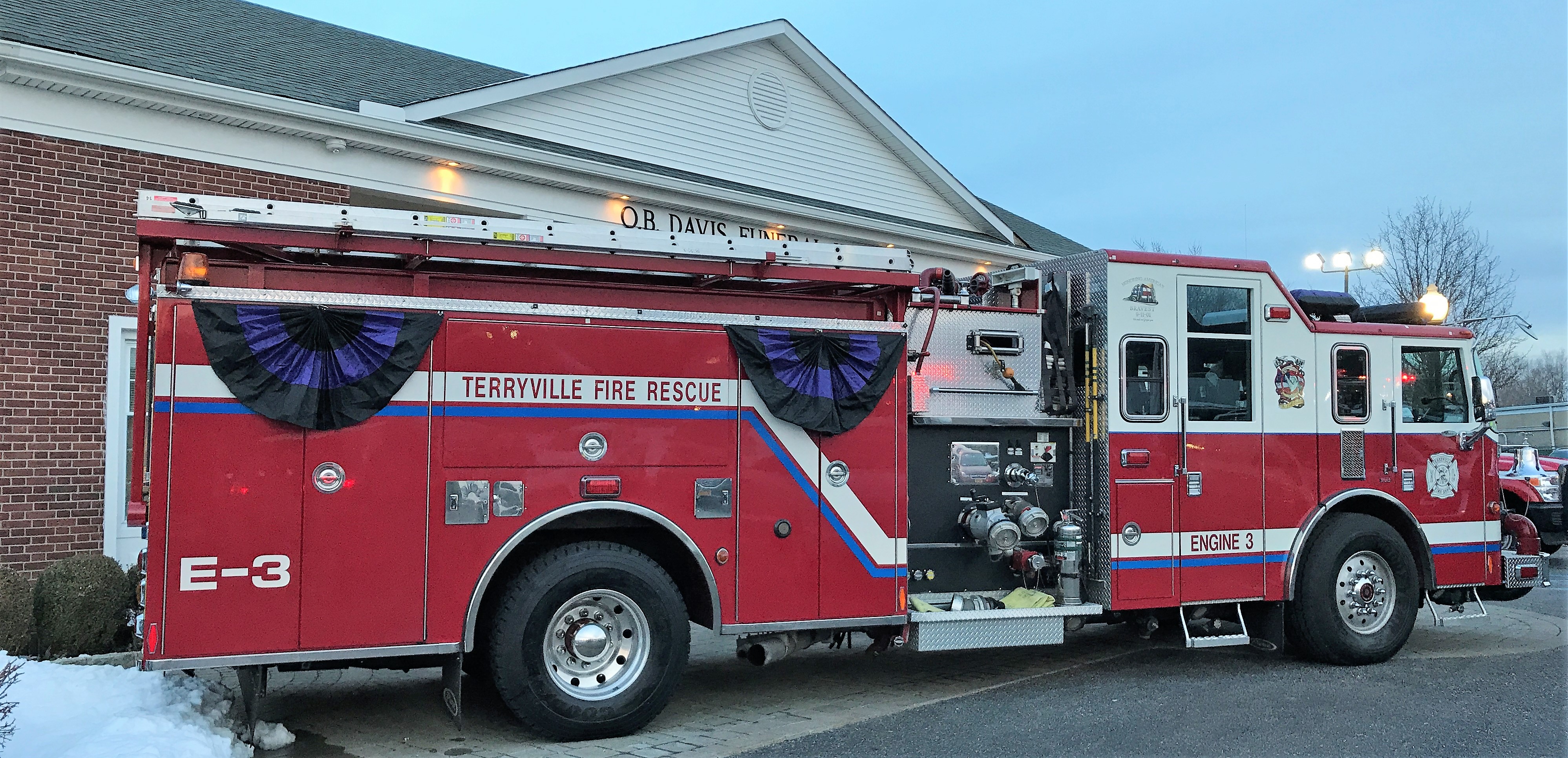
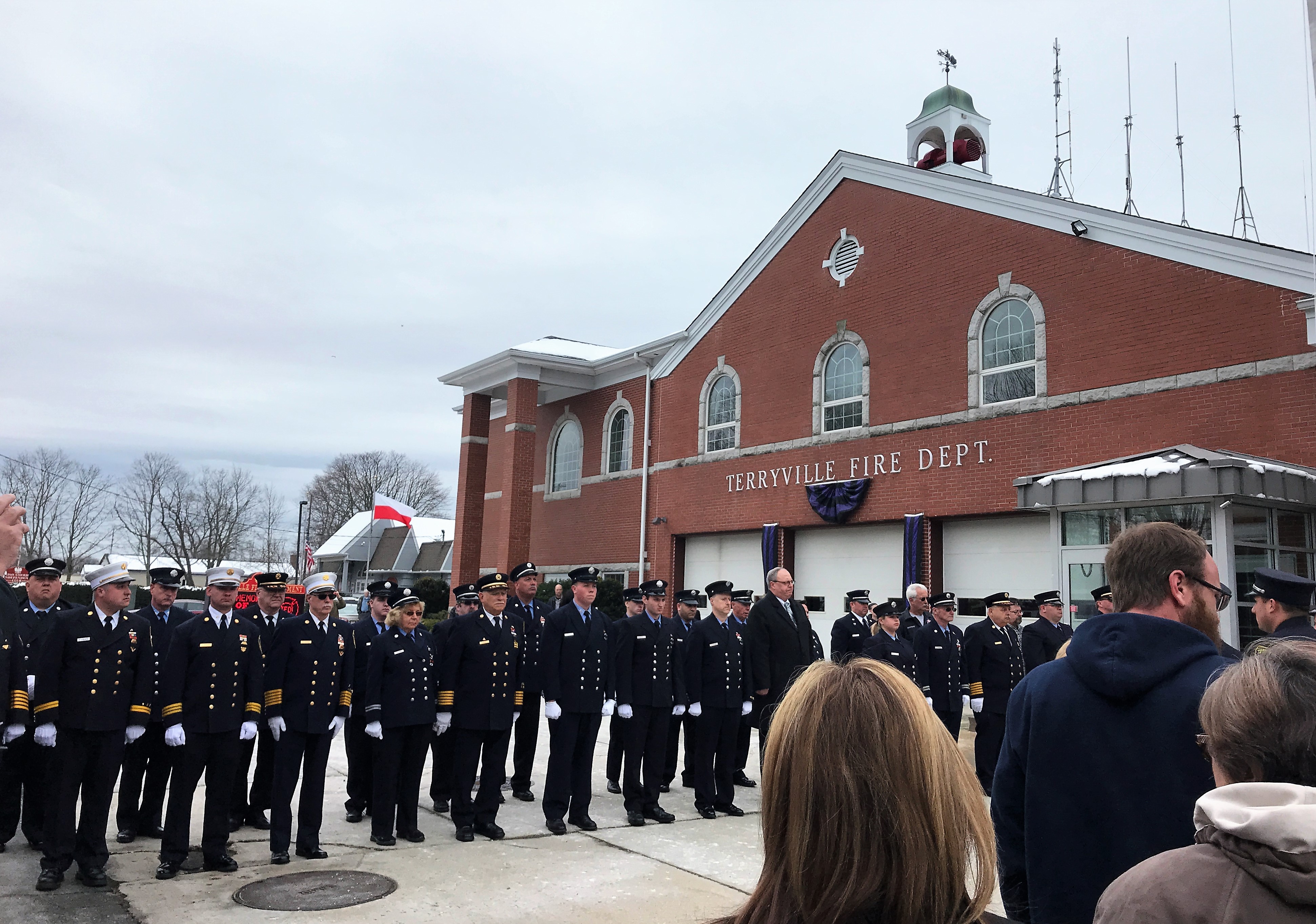
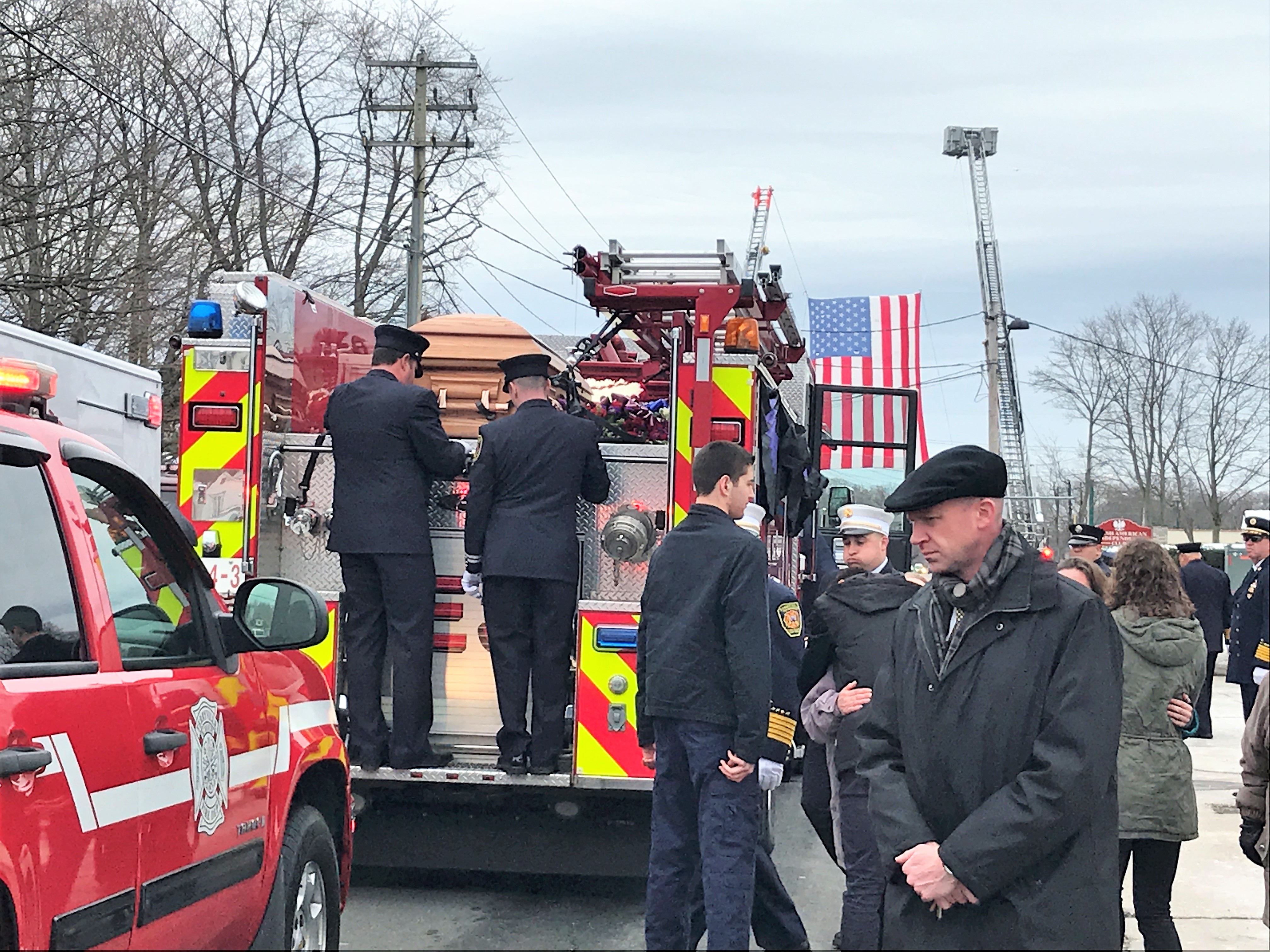
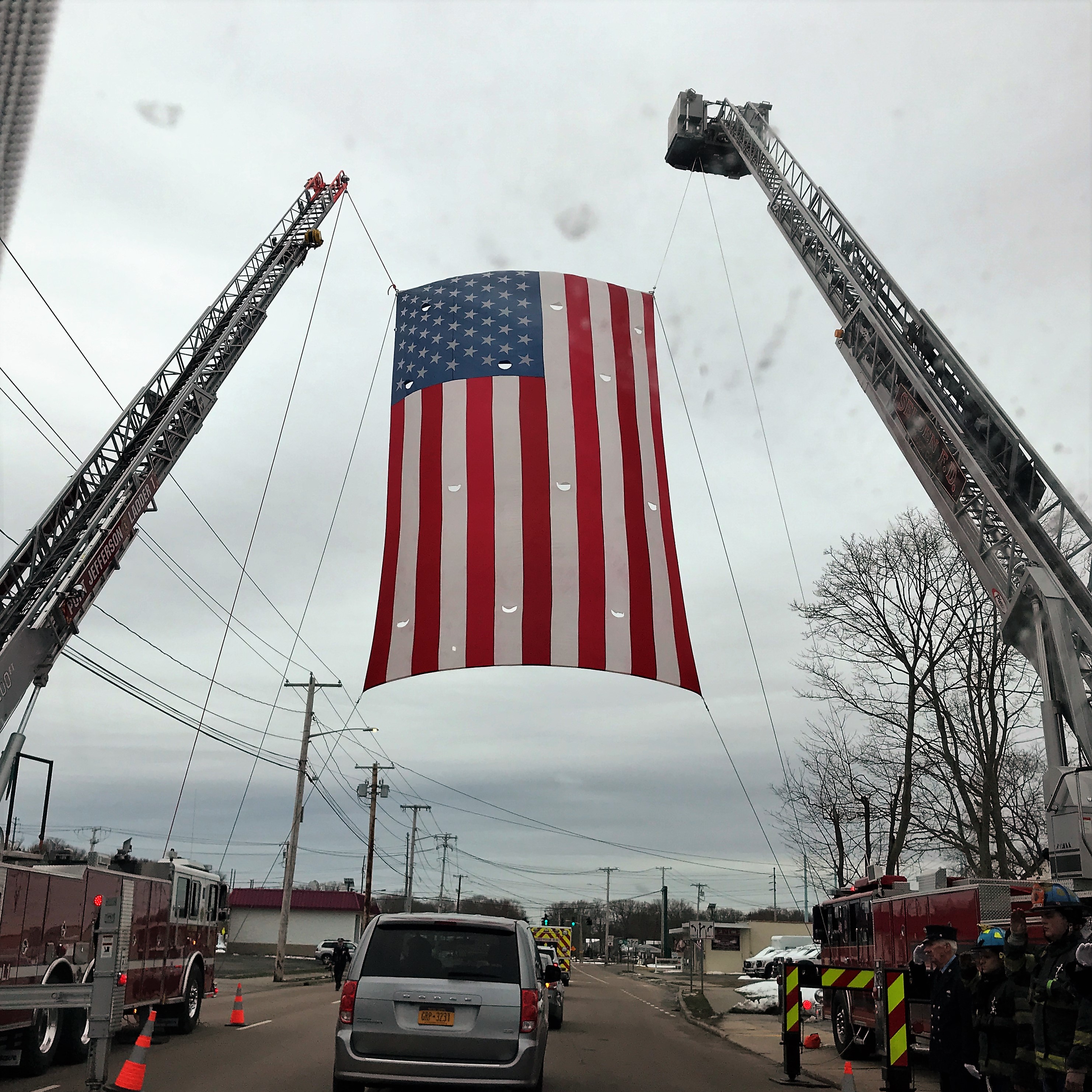
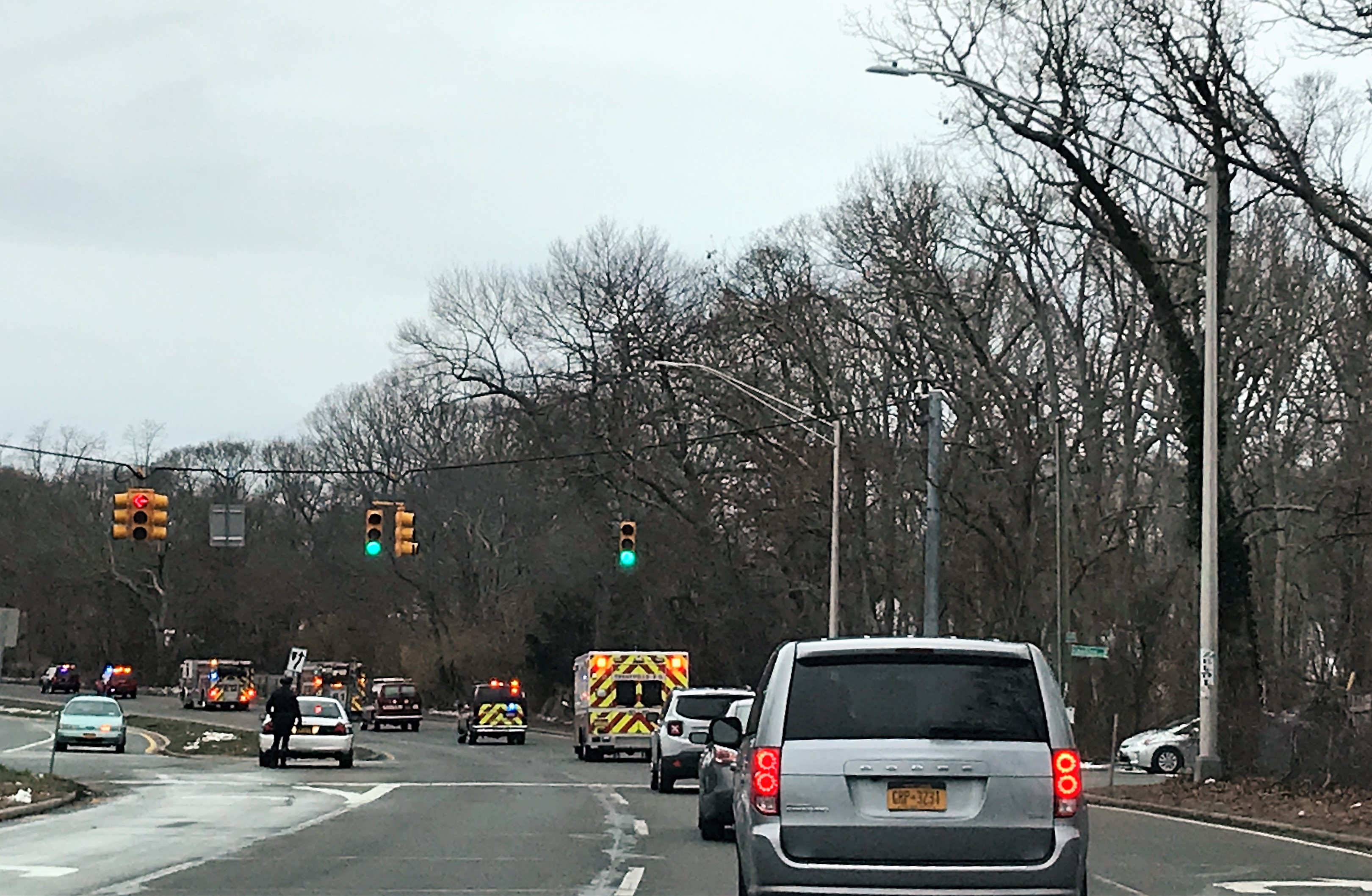
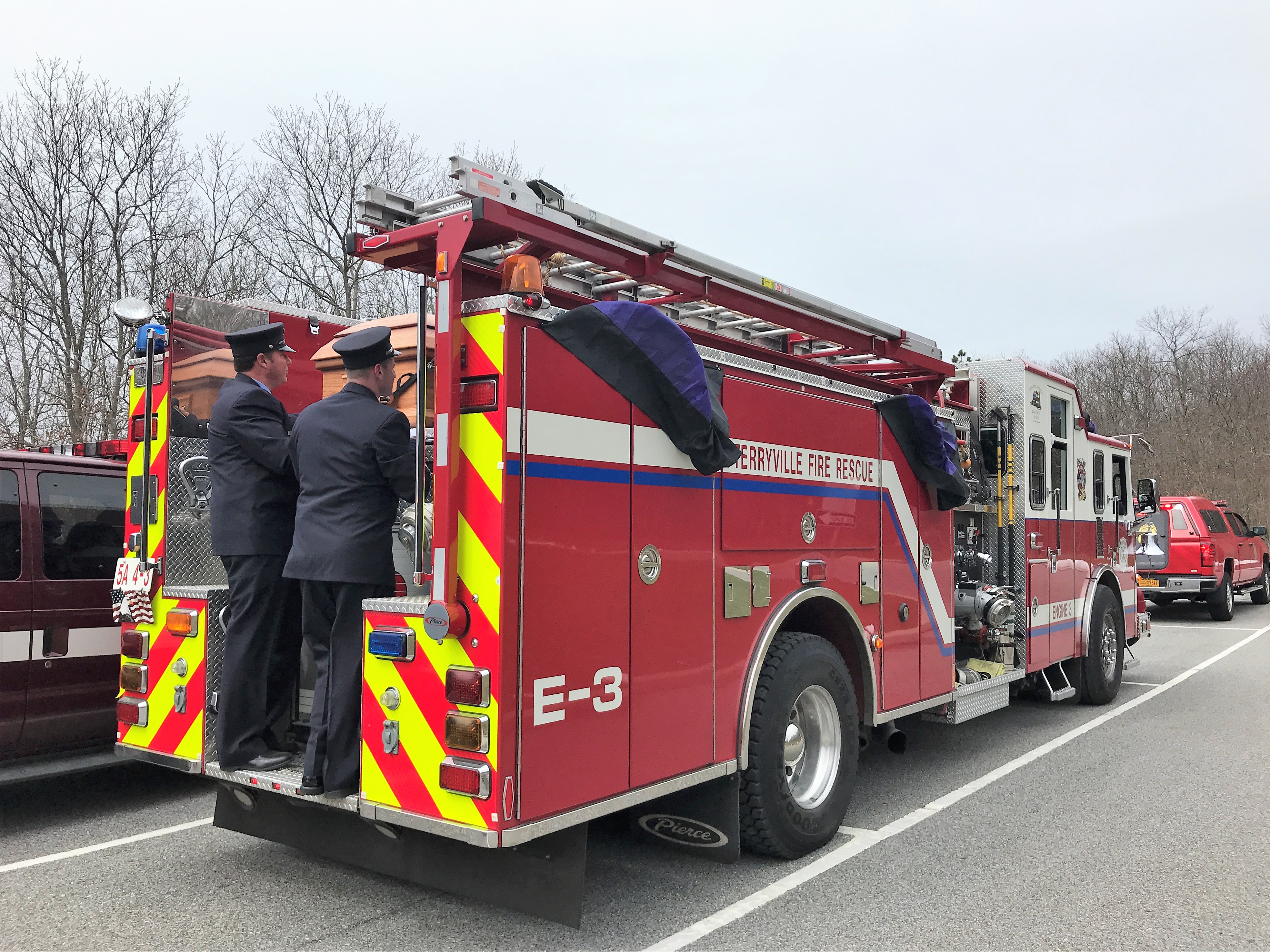
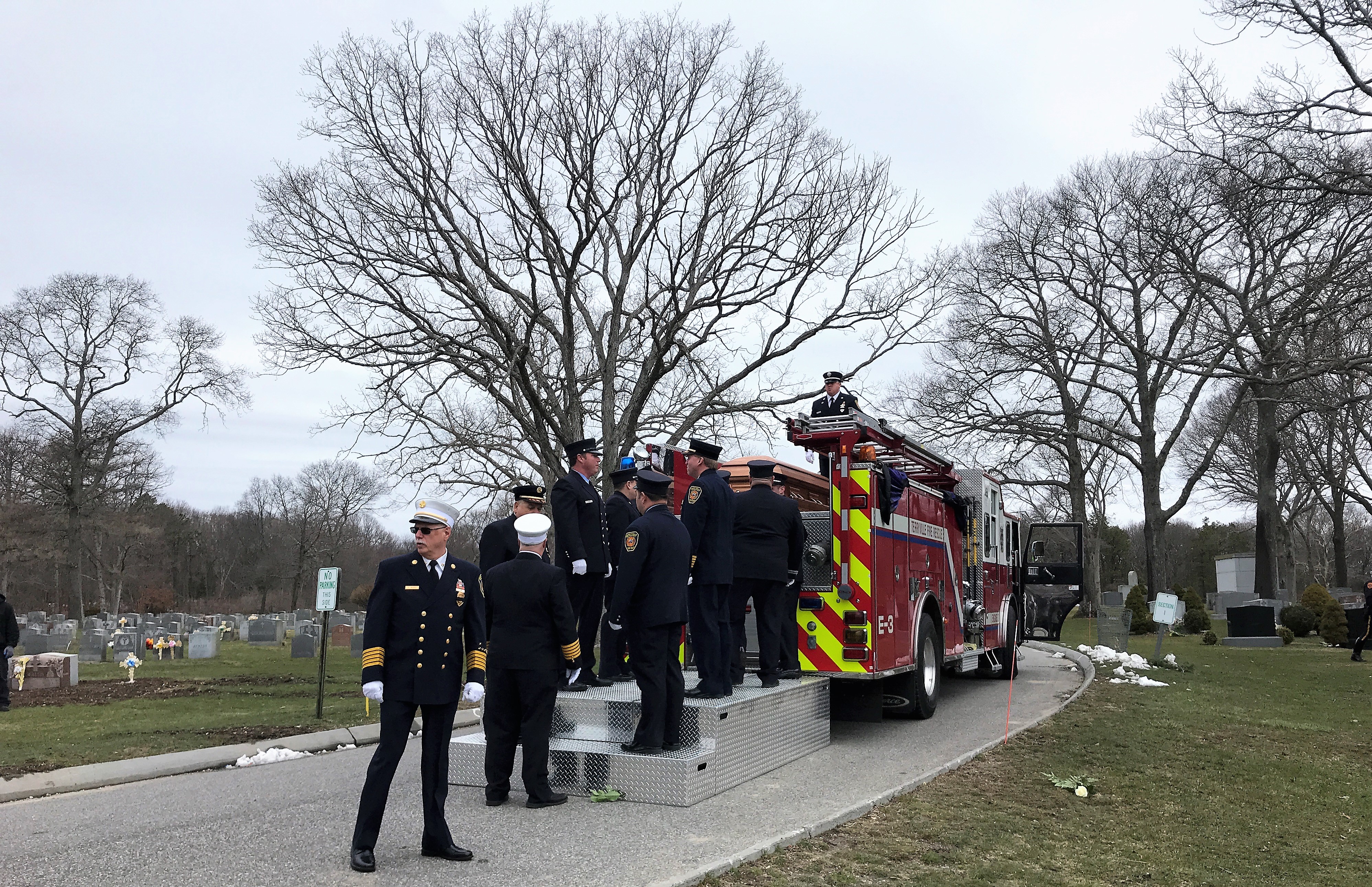
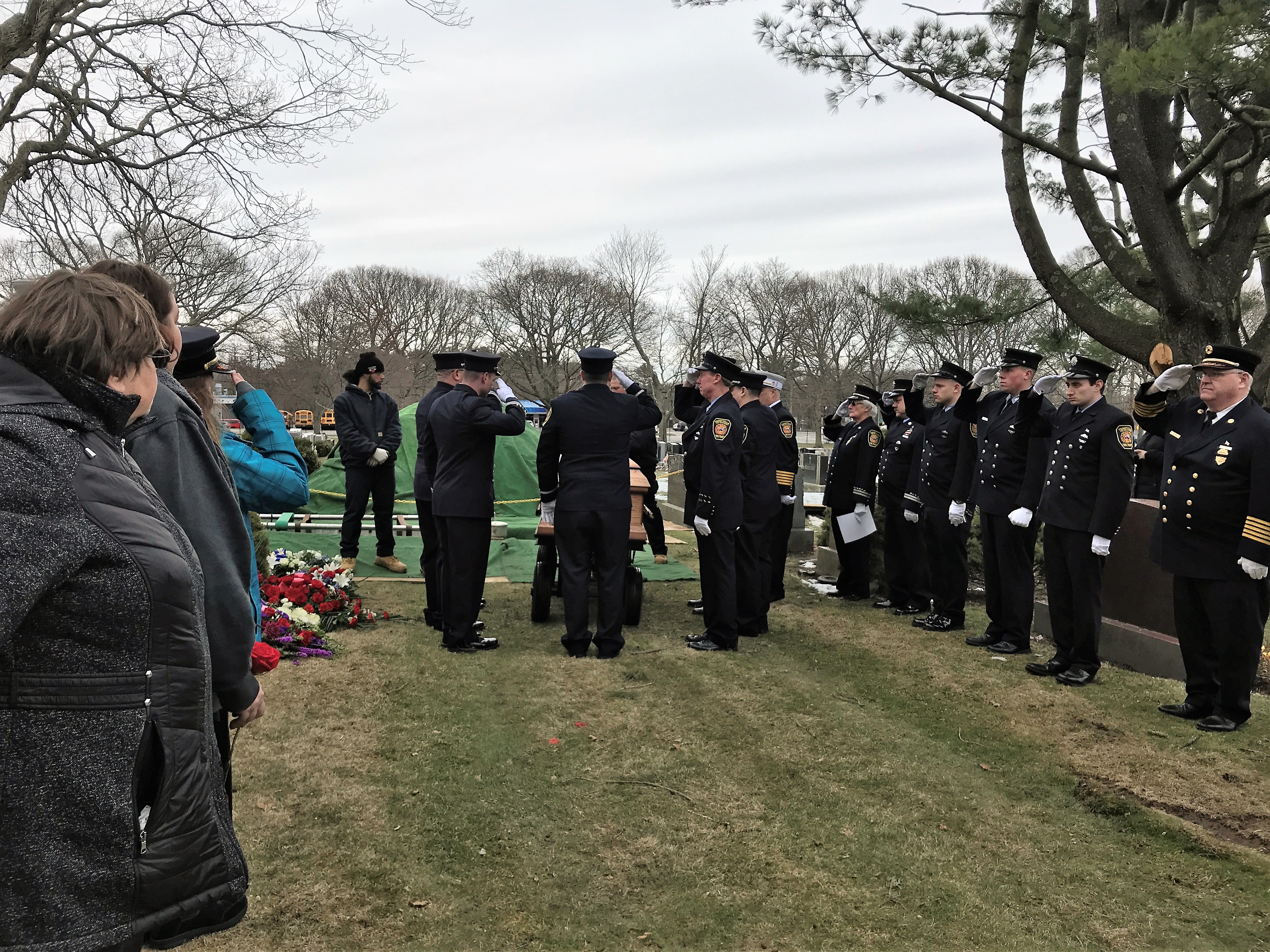
John’s funeral was held with dignity and sobriety. Every possible courtesy and mark of respect was evident:  the fire truck parked outside the funeral home, the honor guard at the viewing, his casket transported on the back of a fire truck, the fire and police escort through the town, the solemn honor displayed at the Terryville Fire Department. These photos depict the distinction and tribute accorded to John as a person, and to his legacy.

Honor guard at the funeral home

Draped in black and purple bunting, the hook and ladder stands guard at the funeral home

Waiting to honor their fallen ex-chief at the Terryville Fire Department

The casket, carried by a fire truck, arrives at the fire department

Hook and ladder trucks hoist a huge flag. The entire town is alerted to John’s passing.

Police block intersections for the funeral procession as official vehicles lead the motorcade.

Standing watch over the casket of their ex-chief, these firemen ride in the open truck throughout the procession

A special platform is used to lower the casket at the cemetery

One last salute; one final goodbye

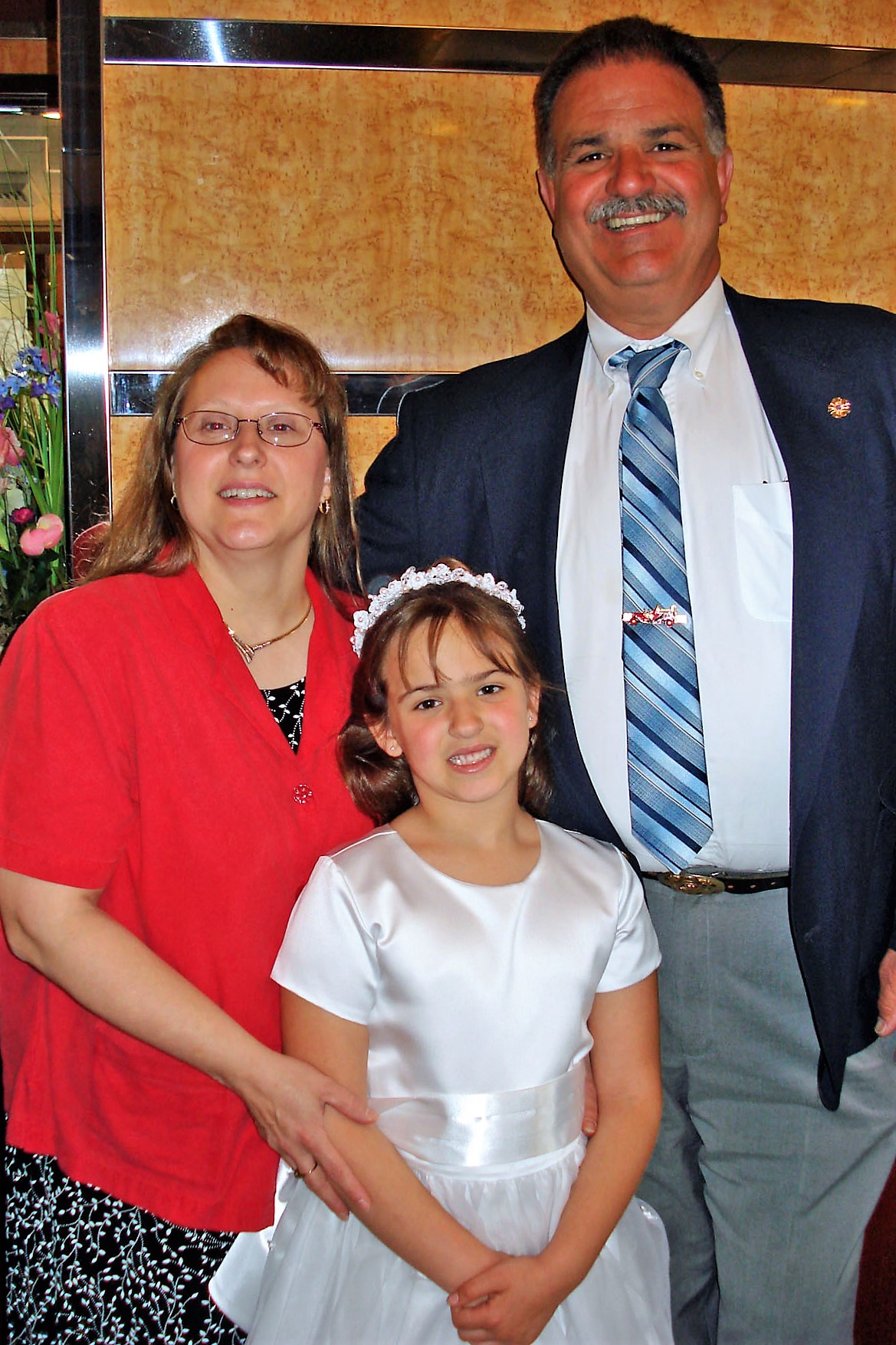
For John’s wife, Cheryl, and his daughter, Cara, life is now unalterably and devastatingly changed. This is Cara’s high school graduation year–a time of great anticipation and new beginnings. And a new chapter of life was opening for Cheryl and John as they launched their daughter into adulthood.

A sweet memory from Cara’s communion, 2008.

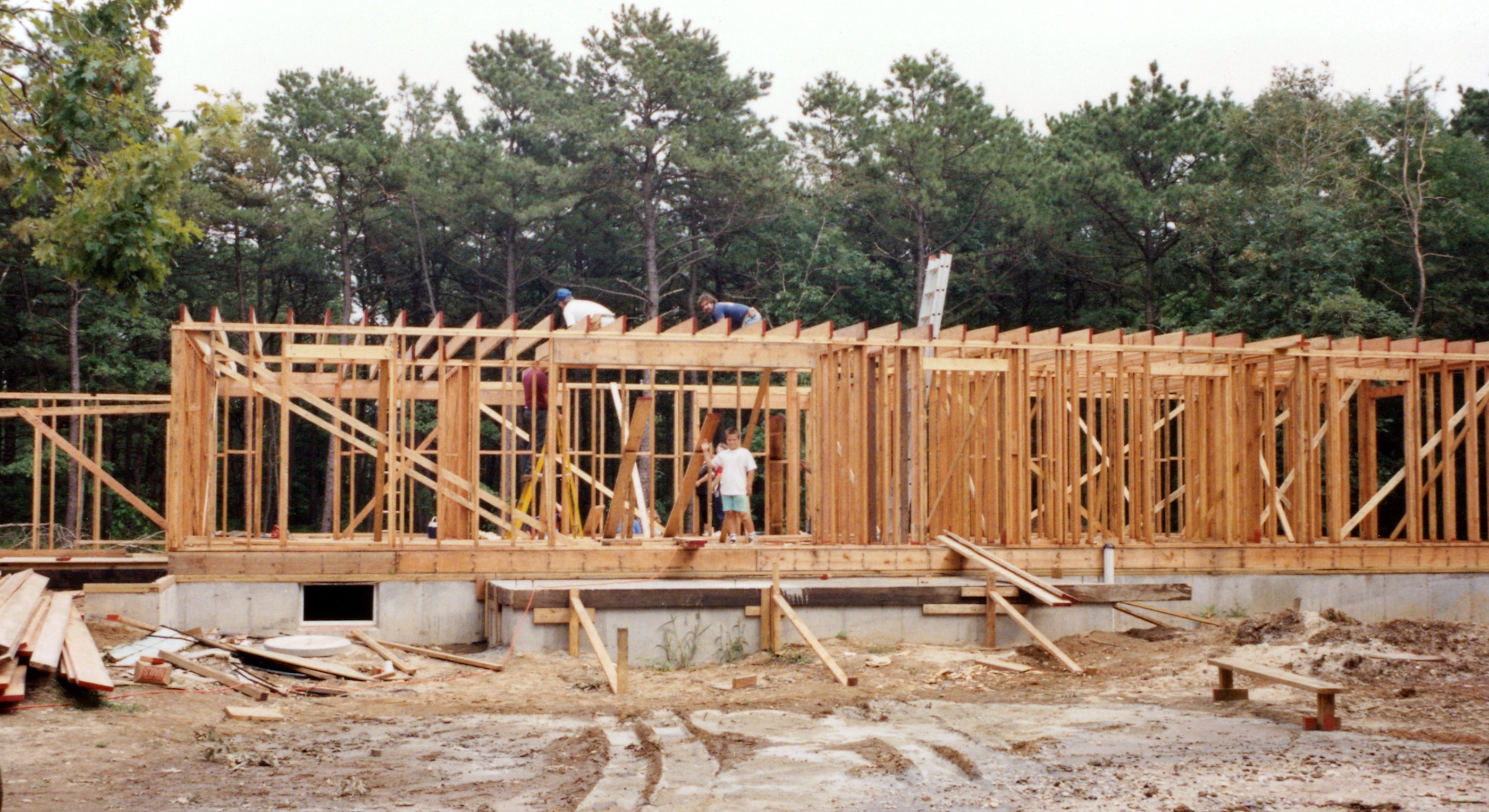
For John’s brother, Louie and sister in law, Debbie, a hole of sadness and emptiness has now opened in their immediate family circle. Louie and John were extraordinarily close–building homes one block apart from each other and seeing each other daily before Louie’s relocation to Delaware five years ago.

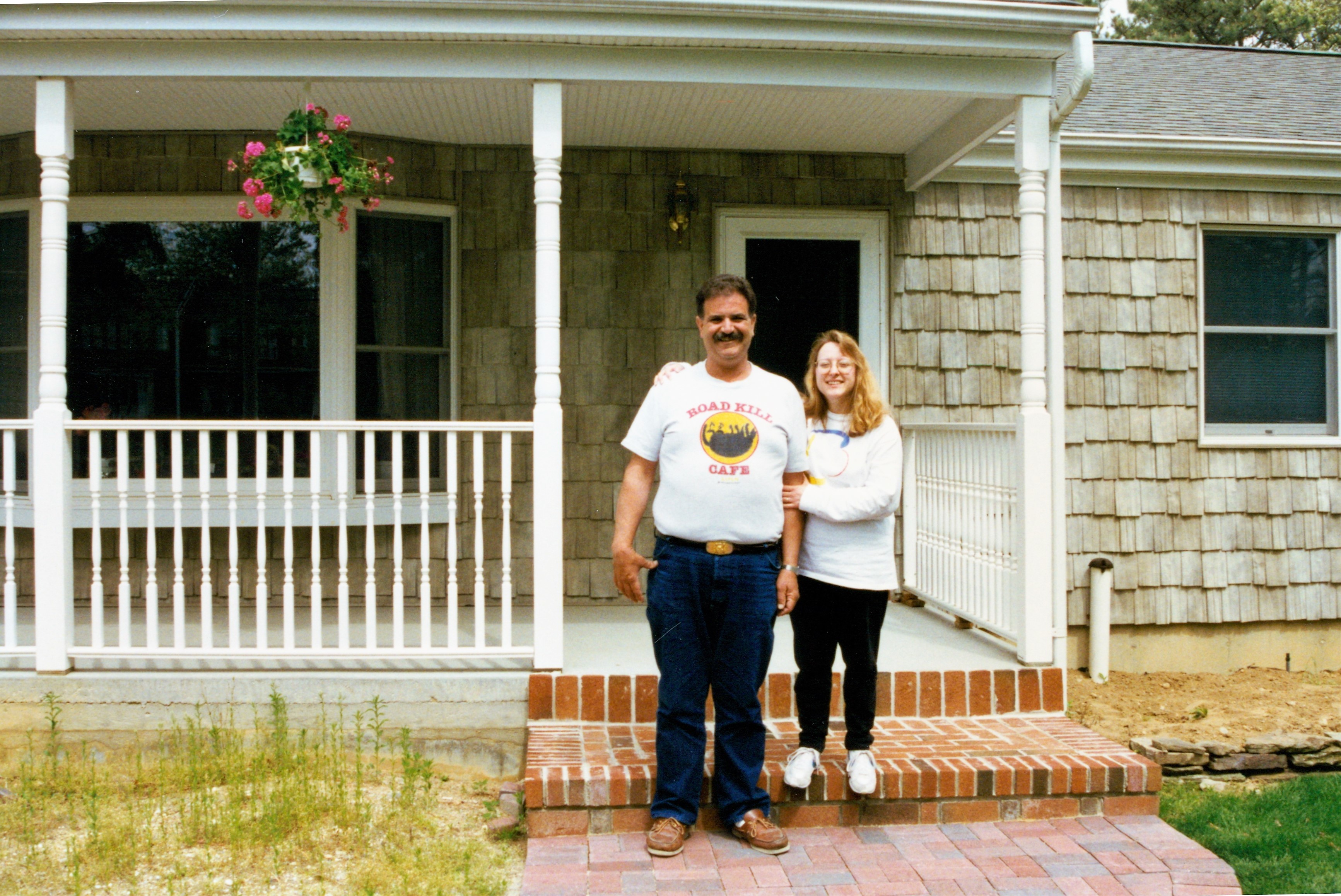
John and Cheryl’s home, built by the Pouletsos family, 1991

The proud couple in front of their completed home

For my cousins and me, the shock of the first loss of our generation is overwhelming. I am speechless and cannot find the words to express my emptiness and sadness. Since the passing of all of our parents, we cousins have gathered yearly to stay close and to remember and honor our family. While we will continue this special tradition, it will be now marked with sadness.

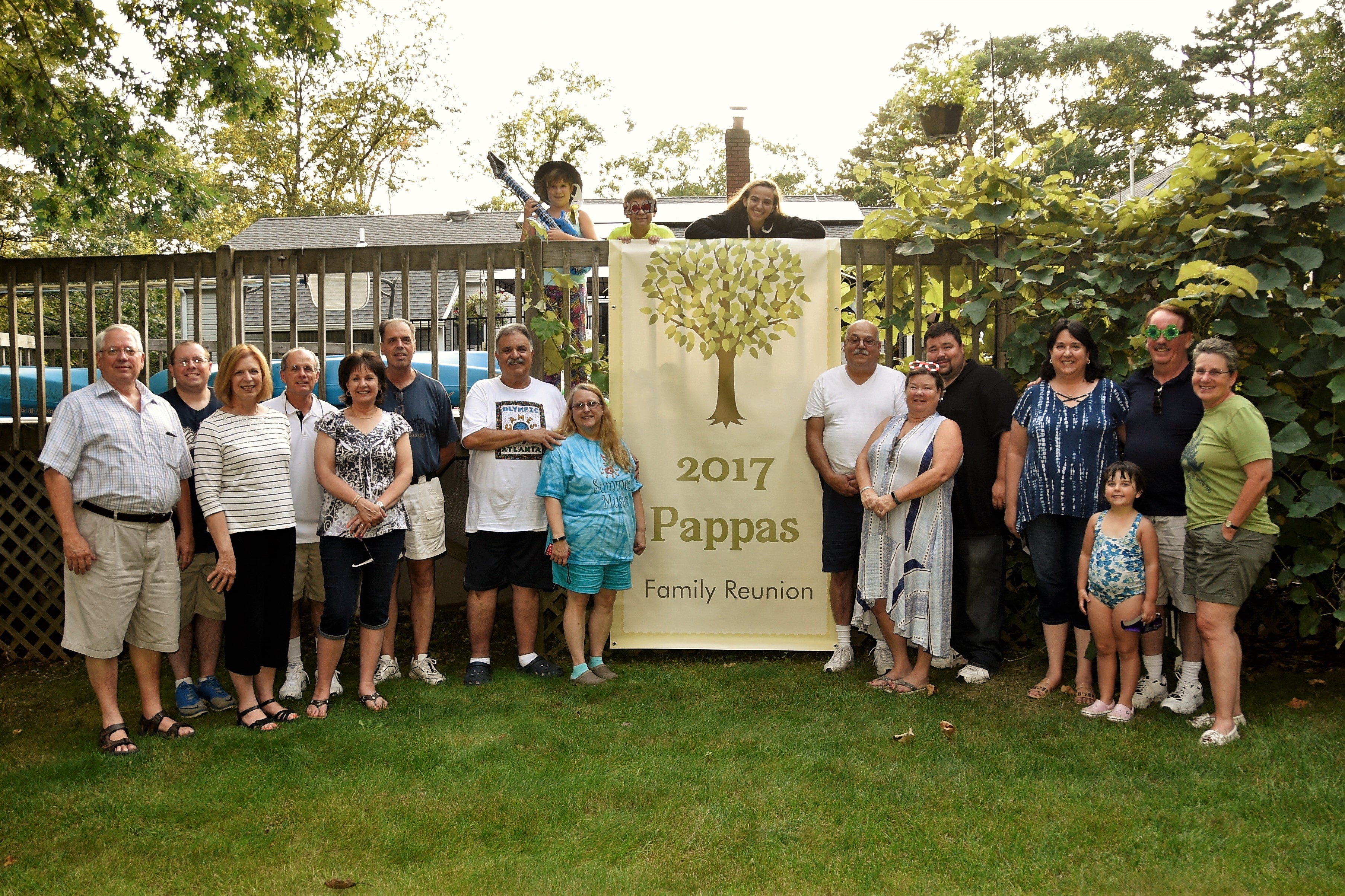
2017 Pappas Cousins’ Reunion held at the home of John and Cheryl

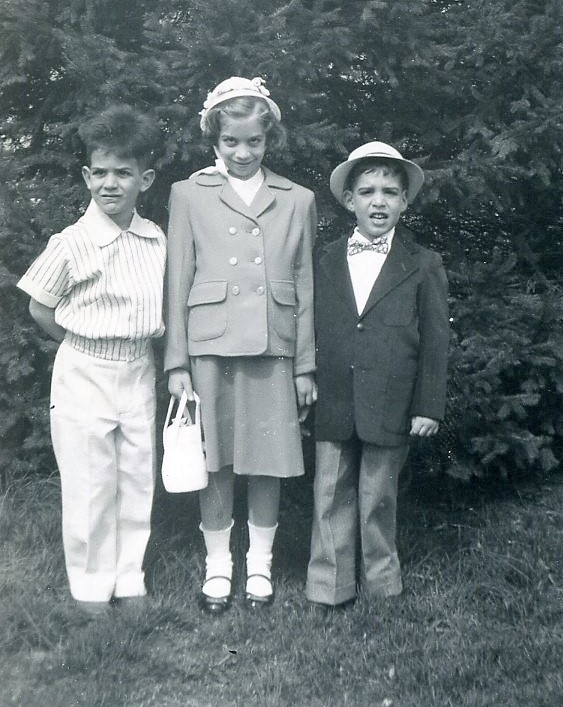
John and I are first cousins — his mother Bertha, and my mother Catherine, were sisters. We grew up together in Hillsdale, New Jersey and have shared a lifetime of happy memories. Although John is now with our family in heaven, we will treasure the time we had with him and know that he will be waiting for us “on the other side” and will greet us with his hearty laugh and with arms of love.

Easter, 1954. John Poulesos, Carol Kostakos, John Kostakos. Hillsdale, New Jersey

John, I love you and will miss you. Till we meet again.

Dear Cousin, With Love

A Greek at RootsTech 2018

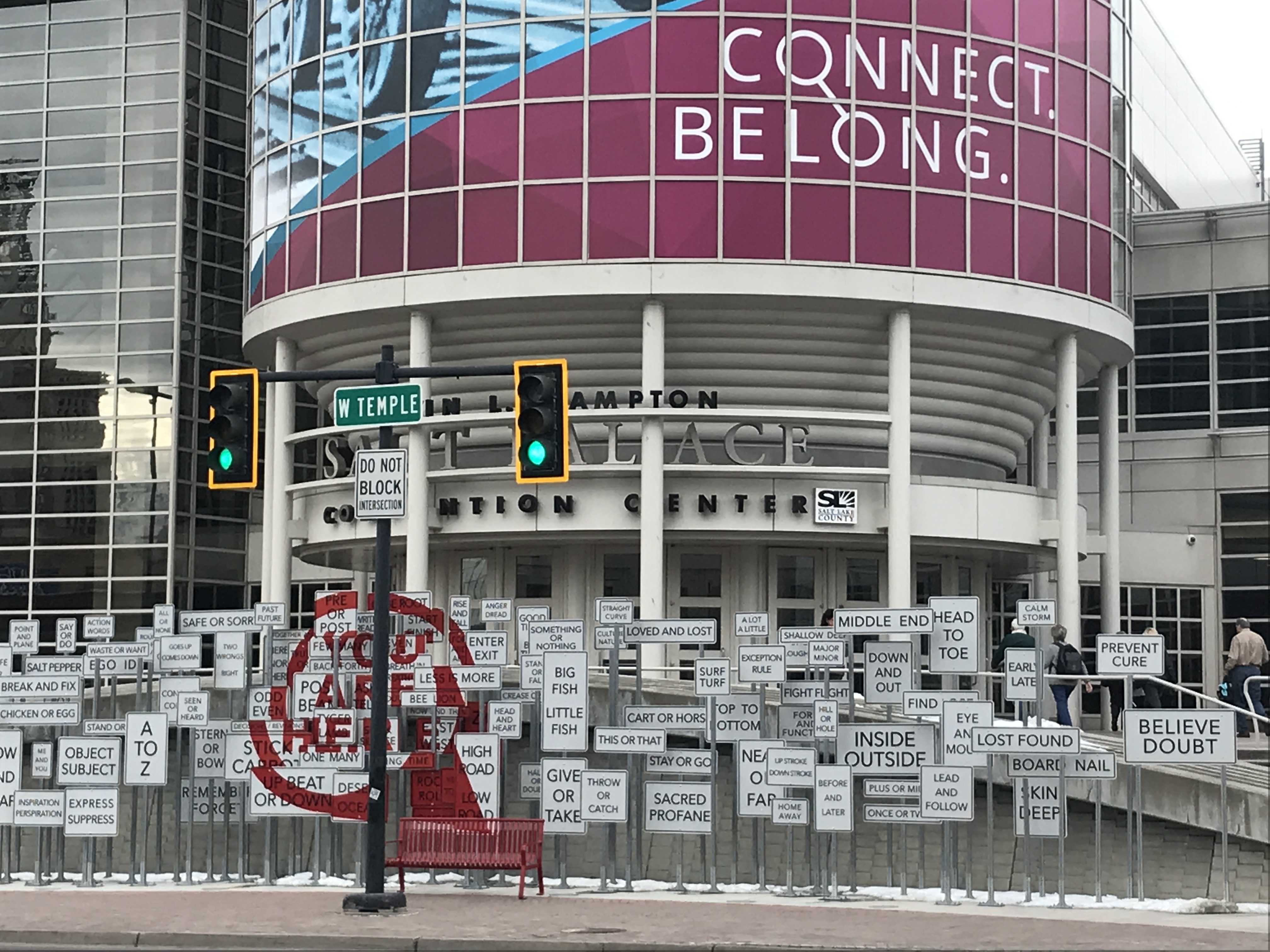
RootsTech–the largest genealogy conference in the world–provides researchers with a myriad of classes and resources to enhance their skills, and four full days to connect within the genea-universe. It is exhilarating, energizing and exhausting!  Over 13,000 attendees overran the Salt Palace Convention Center.

Exterior of the Salt Palace Convention Center, with quirky ying-and-yang signs

Salt Lake City is the center of the genea-universe, with the massive Family History Library just one block from the Salt Palace Convention Center. I spent several hours at the International Floor, where I digitized some Greek reference books and microfilms. The Library is in the process of digitizing all of its 2.5 million microfilms and hundreds of thousands of books, and millions of these images are uploaded weekly to the FamilySearch website.

The International Floor of the Family History Library in Salt Lake City

With over 300 genealogy-related classes, there was something for everyone…but, many of the sessions were geared towards beginners. I opted for intermediate-advanced classes to improve my research and writing skills, such as:  DNA Chromosome Mapping (I was lost); Netherlands Research (it’s always good to learn research skills in other countries and see what types of records are available); Tips and Tricks for International Research; Choosing Details: The Secret to Compelling Stories (a fabulous session); Town Hall meetings with FamilySearch executives; Battlefield Stories: Writing About Your World War II Ancestors, and others.

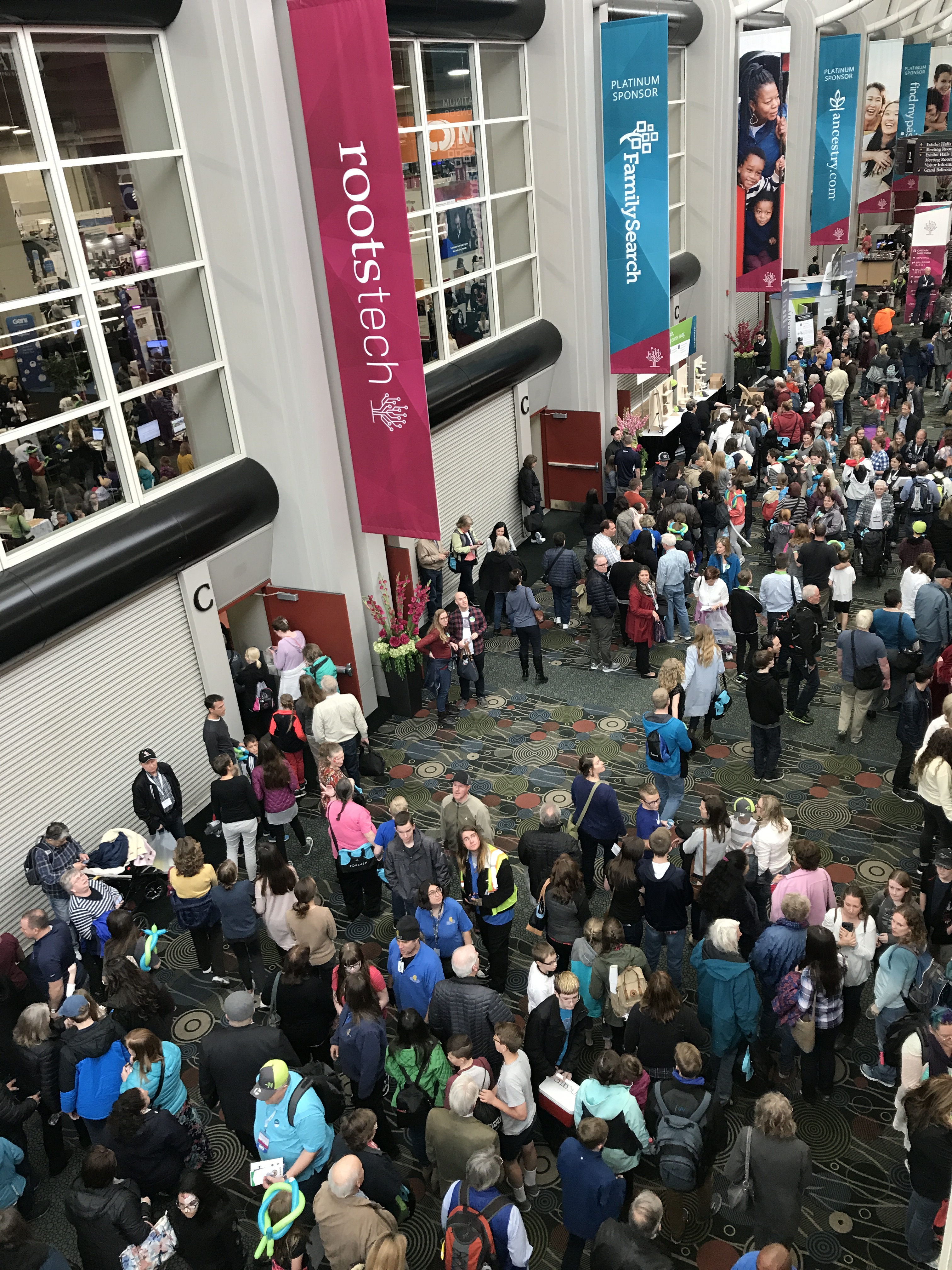
The halls were overrun with eager participants; at times it was almost impossible to walk against the crowd.

Jammed in the Salt Palace — over 13,000 attendees!

Several hundred vendors filled the Expo Hall. Attendees could talk with company reps, get hands-on assistance with software, take mini-classes, and browse the newest offerings of techie-tools. I was delighted to see booths featuring Chinese, Ukrainian, African-American, Jewish, German, Canadian and other ethnic groups. Someday there will be a Greek genealogy booth! ❤

RootsTech 2018 Expo Hall

Who Is My Relative?
People were huddled around apps on their phones, not only to keep up with RootsTech tweets and comments, or to decide on the next class to attend, but also to find relatives at the conference. But…these were relatives that they did not know. The FamilySearch Tree app, “Relatives Around Me,” was utilized by attendees to discover how many new cousins were lurking in the same classroom, ballroom, or hallway. Even the keynote speakers had fun with this app, offering a prize to the first cousin who found him/her on the app. One of my genea-blogger friends had 361 cousins in one session!

I had none. Not one. Any Greeks who attended RootsTech were not related to me 😦

A fellow genea-blogger, originally from New Zealand, also had 0 on his app, so we designated ourselves as conference cousins. No one wants to feel left out!

MyHeritage is Rocking!
Executives at MyHeritage made a major announcements which could be life-changing for adoptees. They launched a new website, DNAQuest.org, with the goal of helping adoptees reunite with their biological families. As a pro-bono initiative, MyHeritage is giving away 15,000 DNA kits to those who qualify, through April 30, 2018. Further information is on the DNAQuest website.

New record collections have been added, and a new feature for users of the FamilySearch FamilyTree allows synchronization with MyHeritage to find hints for new records.

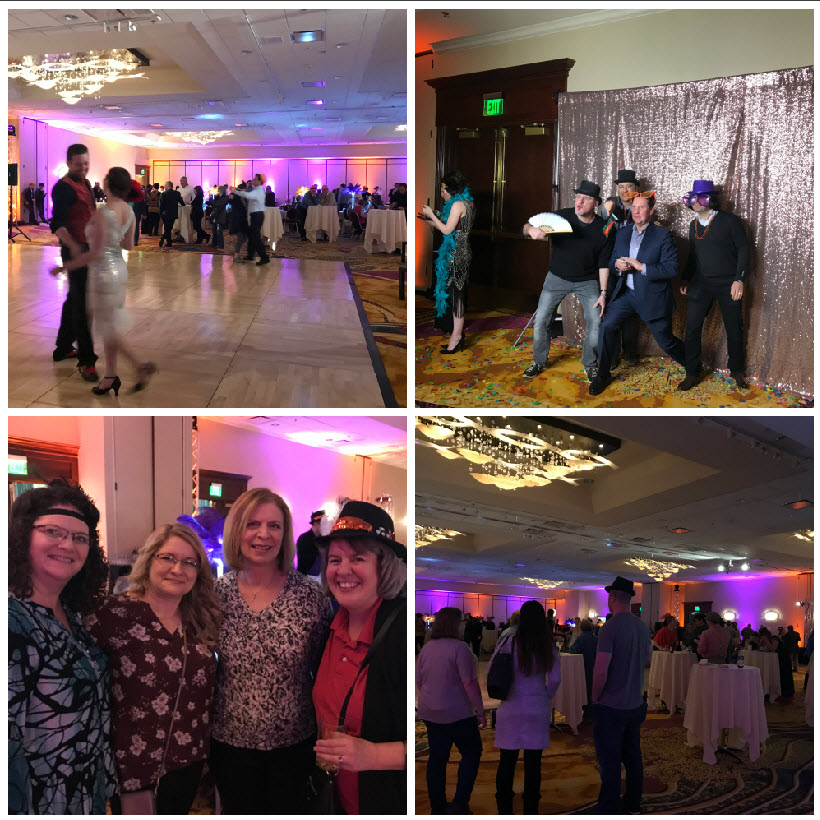
And…there is the annual party, held on Friday evening when everyone needs cerebral “RnR.” A band, food, games and prizes make this event fun-fun-fun!

MyHeritage RootsTech Party, 2018

Did I learn anything pertinent to Greek genealogy research? No.

Did I meet any new Greek friends? Yes–one, whose grandfather is from Crete. We are now in touch and hopefully I can get her connected with people who can help her.

Do Greeks belong at RootsTech? Yes! Absolutely! Acquiring sound research skills, understanding DNA and its place in genealogy, learning about new software and websites are all critical components of starting off on solid ground. A large portion of our research begins in the U.S. or our home country, searching records to document our family units in their “new country,” organizing our findings, and determining our original ancestral surname and village of origin. This search begins in U.S. records and must be complete and accurate before we can access records in Greece.

Will I attend RootsTech next year? Of course–please join me!