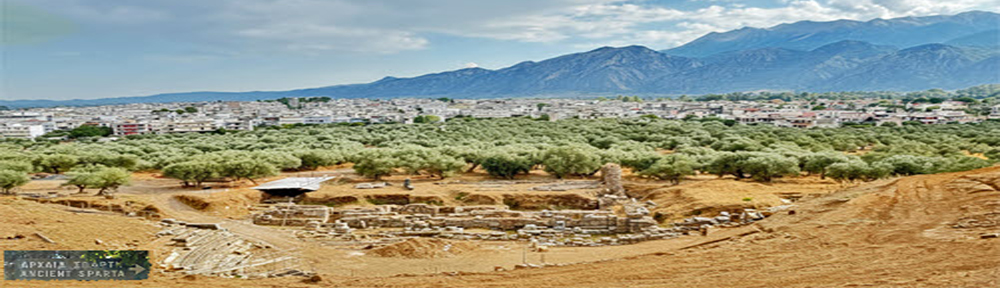
The Zaharakis / Zacharakis Families of Theologos, Oinountos, Laconia

The family of my great-grandmother, Stathoula Zaharakis, has been an elusive mystery to me. Her photo, which is on my desk, reminds me daily to think of her as well as all those who came before me.

Stathoula Zaharaki Eftaxias

Stathoula Zaharaki Eftaxias

Her face haunts me at times. How did she feel as she sent all three of her daughters to the U.S. so they could marry and have a better life? She had no sons; who took care of her as she aged? My mother said that she died as she was preparing to come to the U.S. to visit her daughters and their families in the mid-1950’s. How heartbreaking!

When Gregory Kontos and I were at the Greek Orthodox Mitropolis in Sparta in 2014, he found the marriage record for Stathoula and Konstandinos Ioannis Eftaxias.

Marriage Record, Konstandinos Ioannis Eftaxias and Stathoula Zaharaki, February 16, 1891, line 68. Translation of Marriage Record received from the Holy Diocese of Monemvasias & Spartis Certifies that: As it appears on the books of Marriages of the Office of the Holy Diocese Monemvasias & Spartis a licence -number 68 - was issued on 16 February 1891, for Konstantinos Eutaxiarhis, resident of Mystra - of the former municipality Spartis in second marriage, and for Stathoula Zaharaki daughter of Dimitrios, resident of Theologos -of the former municipality Sellasias in first marriage. The holy matrimony was officiated by the local priest S. Dimitrakopoulou.

Marriage Record, Konstandinos Ioannis Eftaxias and Stathoula Zaharaki, February 16, 1891, line 68. Received from the Holy Diocese of Monemvasias & Spartis.
Certifies that:
As it appears on the books of Marriages of the Office of the Holy Diocese Monemvasias & Spartis a licence -number 68 – was issued on 16 February 1891, for Konstantinos Eftaxias, resident of Mystra – of the former municipality Spartis in second marriage, and for Stathoula Zaharaki daughter of Dimitrios, resident of Theologos -of the former municipality Sellasias in first marriage. The holy matrimony was officiated by the local priest S. Dimitrakopoulou.

From this marriage record, I learned that Stathoula’s father was Dimitrios. I knew that the family lived in Theologos, Oinountos – just north of Sparta.

At the office of the General Archives of Greece in Sparta, Gregory and I digitized pages from the Dimotologion Koinothtos (Town Register) of Theologos which listed the Zaharakis families. I can’t believe that I overlooked the Male Register – a critical component to understand father/son relationships! Until I return to the Archives next summer, I have only the Dimotologia, Election Lists of 1872 & 1844, and information sent by family members to organize the structure of the Zaharakis family prior to 1940. I know the Male Registers will eventually provide missing information.
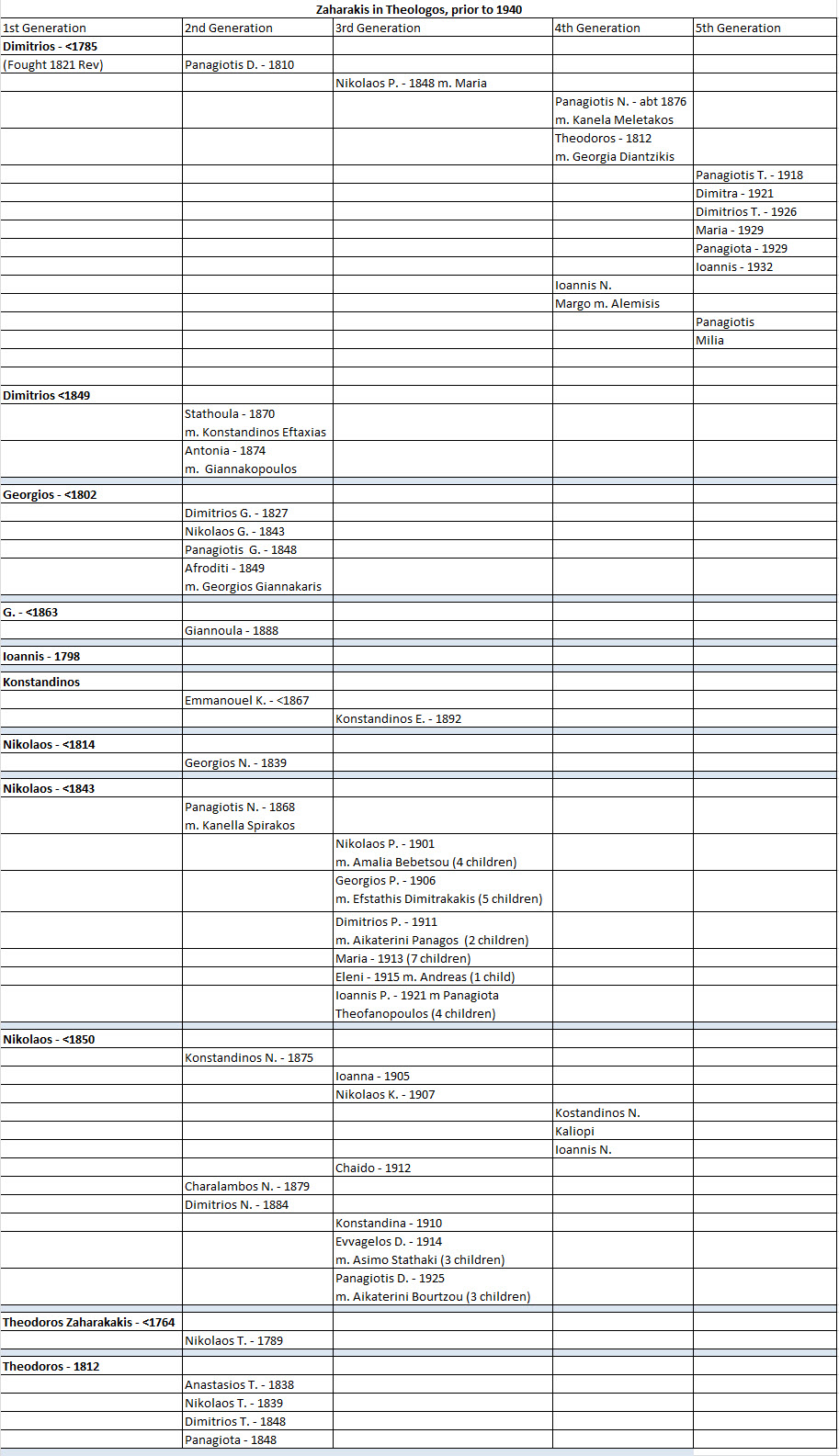
Zaharakis Families in Theologos, Pre-1940

Zaharakis Families in Theologos, Pre-1940. < symbolizes “before”

As I worked through the various resources, I learned an important detail about the 1844 Election Lists: there is an index at the beginning of each municipality. In the image below, notice two columns of numbers to the left of each name. The first number is the line number in the index; the second number is the line in the record itself. In this image on line 272 (right column, 3rd down) is Ioannis Zaharakis or Zaharakakis; the number 236 indicates the line in the record where his registration is recorded. (see next image)
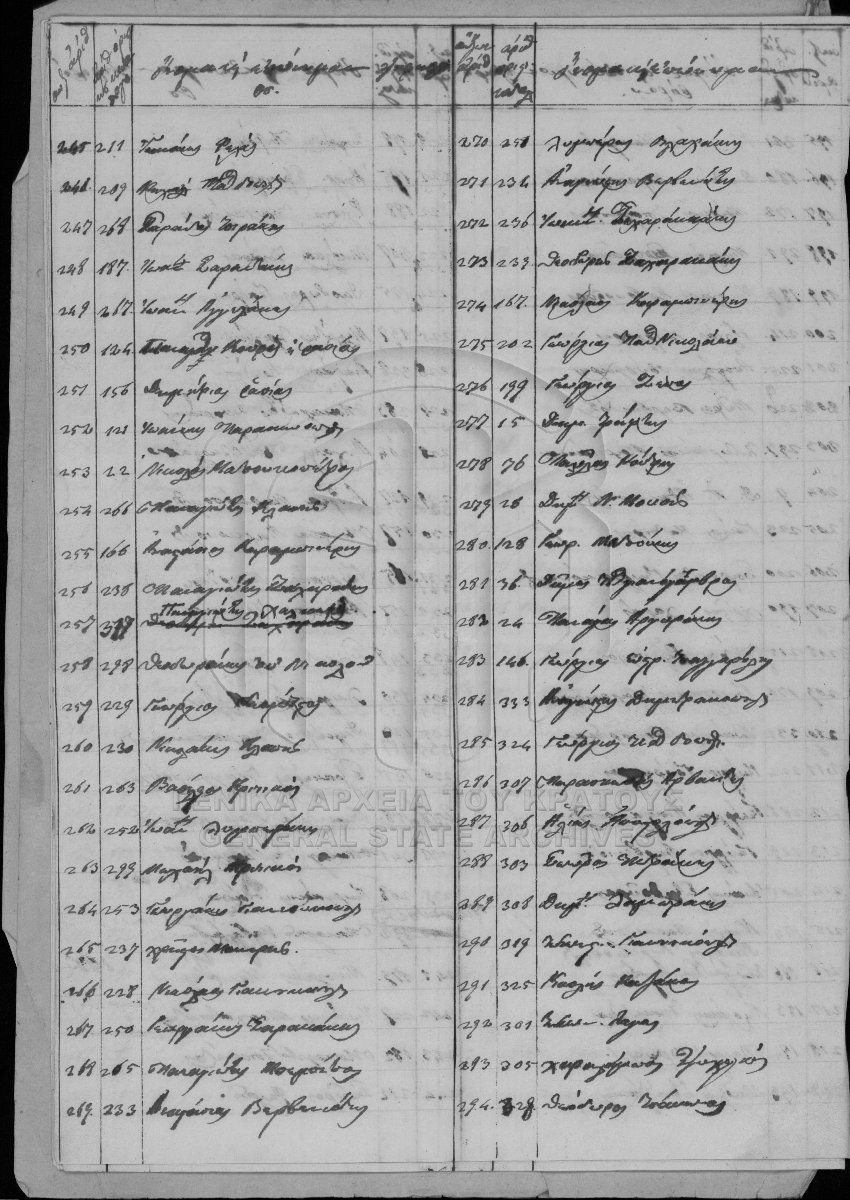
1844 Election Lists, Laconia, File 22, image 1209 Index

1844 Election Lists, Laconia, File 22, image 1209, Theologos. Index.

This is an image of the voter registration page. Ioannis is found on line 236, which reads: Ioannis Zaharakis, age 46, farmer.
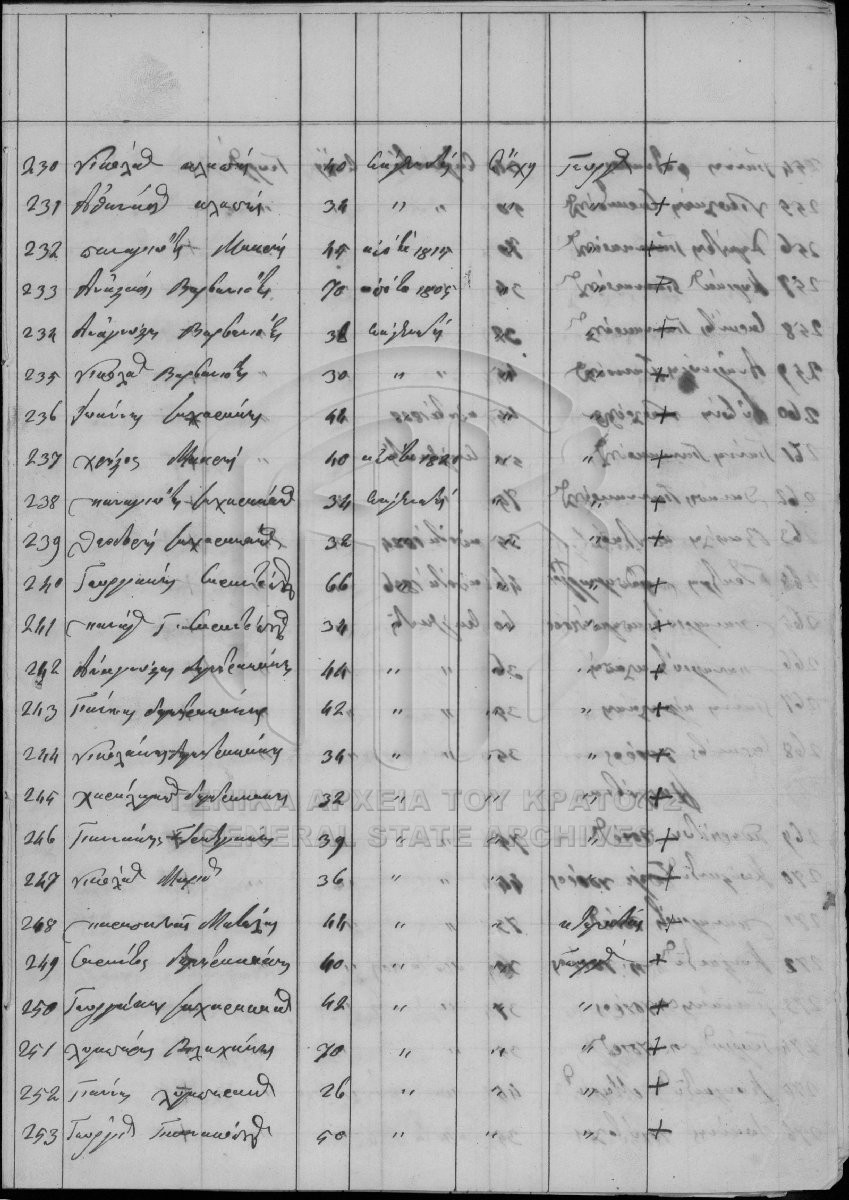
1844 Election Lists Laconia, File 22, Image 1222 Theologos.

1844 Election Lists Laconia, File 22, Image 1222 Theologos.

Also found on both of these pages are:
Index line 256/Record line 238 – Panagiotis Zaharakakis, age 34, farmer
Index line 273/Record line 239 – Theodoros Zaharakakis, age 32, farmer
Index line 267/Record line 250 – Georgios Zaharakis, age 42, farmer

Big important note: Thank you, Gregory Kontos, for finding these names for me. You have my undying gratitude forever! I can read records that are typewritten, but the handwritten ones are Greek to me.

I will update this post after my next trip to the Archives in Sparta in July 2016. This time I’ll have the Male Registers and I will be able to further corroborate and correct what I have documented.

If anyone has information that can shed further light on these families, or give a better translation of the handwritten Greek, I would be most grateful!

Now I can put this aside to enjoy the holidays. Merry Christmas!


Reading a Town Register and a Male Register

My friend and Greek genealogist, Gregory Kontos, prepared some excellent handouts for the Hellenic Genealogy Conference in Salt Lake City on September 26, 2015.

This is a sample of a Dimotologion Koinothtos, or Town Register. It is similar to a U.S. census record as it lists the families in the villages, with parents and children’s names, birthdates, birth places, and other relevant information. These records were created in the 1900’s. The oldest families will have parents born in the late 1800’s, with their children born in the early-mid 1900’s. To my knowledge, there is no such record collection dated earlier than this timeframe, which is unfortunate as we cannot go back to find a father or a mother in this record, when he/she is listed as a child in their parents’ family.

This is page 1 of 2.

Dimotologion 1st page description

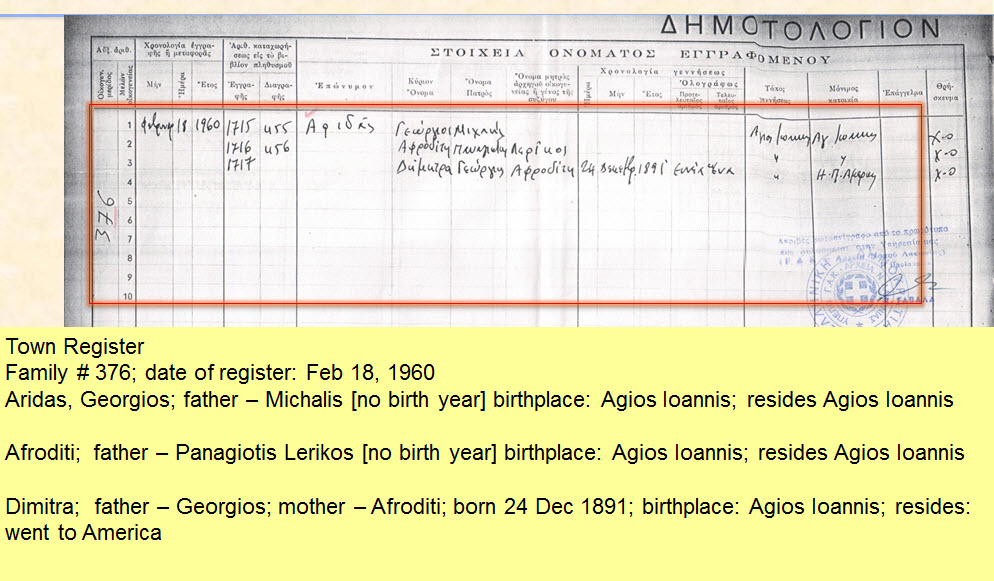
Here is an example of the 1st page of the Dimotologion, with an entry translated into English.

Dimotologion extracted 1st page

This is page 2 of a Dimotologion. It gives additional information about each person in the family.

Dimotologion 2nd page description

This is a Mitroon Arrenon, or Male Register. It is a record of every male born in a village. It was kept by the government for military draft purposes, and is considered an official register of birth.

Mitroon Arrenon 1st page description

These two record sets are the backbone of genealogy research in Greece. The regional offices of the General State Archives of Greece (GAK) have books with these record collections for the villages over which they have jurisdiction.

A list of the Regional  GAK offices can be found here: http://www.gak.gr/Cont/cont-py-00.html. The page can be translated into English using Google translate. If you write for information, include whatever you know about the family you are searching. It is especially important to know the spelling of the original surname in Greek (e.g., Papagiannakos, not just Pappas). You must also know the exact village and its location because there are many villages with the same name (e.g., not just Agios Ioannis, but Agios Ioannis Sparta).

Panagiotis Eliopoulos in Machmoutbei (now Amykles)

My friend and historian/genealogist, Gregory Kontos, recently translated an interesting document for me. Written in 1864, it is a contract for Panagiotis Eliopoulos to purchase land in Machmoutbei, which is now the town of Amykles, Laconia. I am researching the Eliopoulos name in the Sparta area, as my great-grandmother was Aikaterini Eliopoulou.

Aikaterini and her father, Efstathios, were from the village of Sikaraki located on the outskirts of Agios Ioannis, Sparta. Although the distance between Amykles and Sikaraki is 5 kilometers or a 10-minute car ride today, that was a long donkey ride in the mid 1800’s. However, in my relentless hunt for family, I leave no stones unturned so I am researching the Eliopoulos family in Machmoutbei.

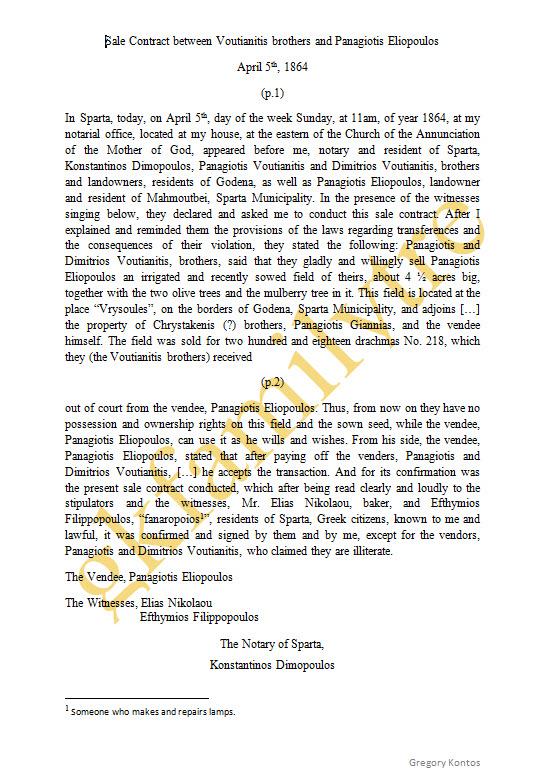
Eliopoulos, Panagiotis Contract April 5th 1864 p.1

Panagiotis Eliopoulos, Contract April 5th 1864 p.1

Eliopoulos, Panagiotis Contract April 5th 1864, p.2

Panagiotis Eliopoulos, Contract April 5th 1864, p.2

Panagiotis Eliopoulos, Sale Contract, April 5th 1864

Contract Translation by Gregory Kontos

There can be hidden clues in these documents. For example, the trees are specifically listed which indicates their value. The contract was read aloud to ensure all understood its terms, and the Voutianitis brothers claimed they were illiterate.

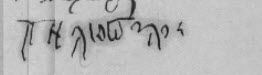
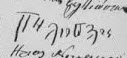
In the Electoral Rolls of Lakedaimonos (Laconia) 1843-1873 (File #22), there is a P. Eliopoulos who signed the rolls as the assistant mayor (παρέδος) of Machmoutbei. When I compared his signature on the election record and this contract signed in Machmoutbei, this indicates that they are the same person and that Panagiotis was literate:

Panagiotis Eliopoulos signature 1864 contract

P. Eliopoulos signature 1864 contract

Panagiotis Eliopoulos signature on electoral rolls

P. Eliopoulos signature on electoral rolls

These documents are a fascinating glimpse into the everyday lives of our ancestors. It is painstaking work to piece together fragments of information from any source, but especially so when researching in Greek records where the handwriting stumps all but the experts. When I get frustrated, I remind myself to be grateful, instead, that these records have survived through the wars and occupations, and that I have friends to help me navigate through them.

Although I do not yet know if Panagiotis Eliopoulos is related to me, I am thrilled to have this document and to bring his life into the 21st century.

Addendum to this post: After looking at another contract for Panagiotis Eliopoulos of Lele, Agios Ioannis (village of my ancestors), Gregory informed me that Panagiotis Eliopoulos of Machmoutbei and Panagiotis Eliopoulos of Lele are two different people. Panagiotis from Machmoutbei  signs the contracts but Panagiotis from Lele is illiterate.

How to Navigate the State General Archives of Greece Website for Digitized Images

The website of the General Archives of Greece has a specific area where digital images are being uploaded:  http://arxeiomnimon.gak.gr/index.html.  This site is not easy to navigate, but with patience and the help of an English translation button on the right side of the website, it can be done.

A pdf file with step-by-step directions can be accessed here.

As can be expected, most of the files are in Greek script. However, there is a valuable collection of Electoral Rolls from the late 1800’s which has been typewritten in Greek — and the names are easy to read. This collection contains lists of men who were eligible to vote. It is sorted by Nomos (County), then Districts and Municipalities. Instructions for accessing this collection titled “Election Materials from the Vlachogiannis Collection” is found at the end of the document. A direct link to this collection is: http://arxeiomnimon.gak.gr/browse/index.html?cid=586603

A sample page of the Election Rolls is below. The Nomos is Lakonia, the village is Agios Ioannis (Sparta). The columns are:  1: line number, 2: first and last name of the voter, 3: voter’s birth year, 4: name of voter’s father, 5: voter’s occupation.

My great-grandfather, Panagiotis Papagiannakos, is on line 1975.

1872 Electoral Rolls, Agios Ioannis, Papagiannakos

1872 Electoral Rolls, Agios Ioannis, Panagiotis Papagiannakos, line 1975


Greek Microfilms at the FamilySearch Library

Various record collections from areas in Greece have been microfilmed and are available to the public through the FamilySearch Library and its more than 4,700 Family History Centers throughout the world. To locate the one closest to you, click here.

To find a Greek microfilm,  you will need to know the village, district, and county of your ancestor. The following explains the geographic divisions in Greece:

Greece is divided geographically into 9 main regions:
1.  Central Greece and Euvoia
2.  Peloponnese
3.  Ionian islands
4.  Thessaly
5.  Epirus
6.  Macedonia
7.  Thrace
8.  Aegean Islands
9.  Crete

Each of these 9 main regions is divided into “Counties” called Nomos.

Each of the nomos is divided into “Districts” called Eparhia.

Each Eparhia is divided into “Municipalities” called Dimos. A Dimos may include surrounding villages.

Prior to 1999, there was a division called “Community” or Koinotis. In 1999, all “communities” were dissolved and incorporated into the larger “Municipalities” or Dimos.

In order to determine if the FamilySearch Library has a Greek film of interest to you, you will need to identify the following information:

1.  The village
2.  The Dimos (municipality) to which the village belonged when the record was created
3.  The Eparhia (district) to which the Dimos belonged when the record was created.
4.  The Nomos (county) to which the Eparhia (municipality) belonged when the record was created.

You must also know the full, original Greek surname; for example: not Pappas, but Papadopoulos.

Records That May Give You Name & Village

  • Census (1900, 1910, 1920, 1930 ask specific immigration & naturalization questions)
  • Marriage (U.S. and Greek Church)
  • Baptismal Records (Greek Church)
  • Immigration (Passenger Ship)
  • Naturalization (Declaration of Intention & Petition for Naturalization)
  • Social Security Application (original and computerized)
  • World War I & II registration cards
  • Death Certificate (beware of informant’s possible misinformation)
  • Obituary
  • Tombstones
  • Photographs

After you have determined the original Greek surname and village, check to see if FamilySearch has a digitized microfilm for your location. Check the FamilySearch catalog for Greece.

Digital images can be viewed at any FamilySearch Center. Find the one closest to you at this link.