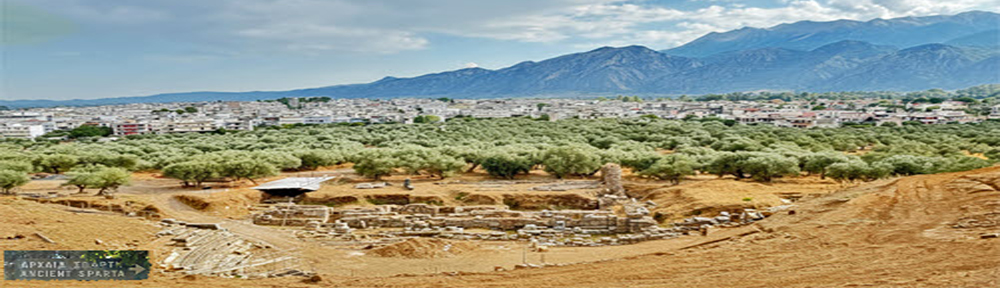
Every one of the 715 village church books in Laconia which I digitized this summer tells a story. From the earliest books dated 1860 to those of today, a panoply of human milestones unfold. From celebratory births, baptisms and marriages to somber funerals, the vital events of many thousands of Laconians are documented and now preserved.
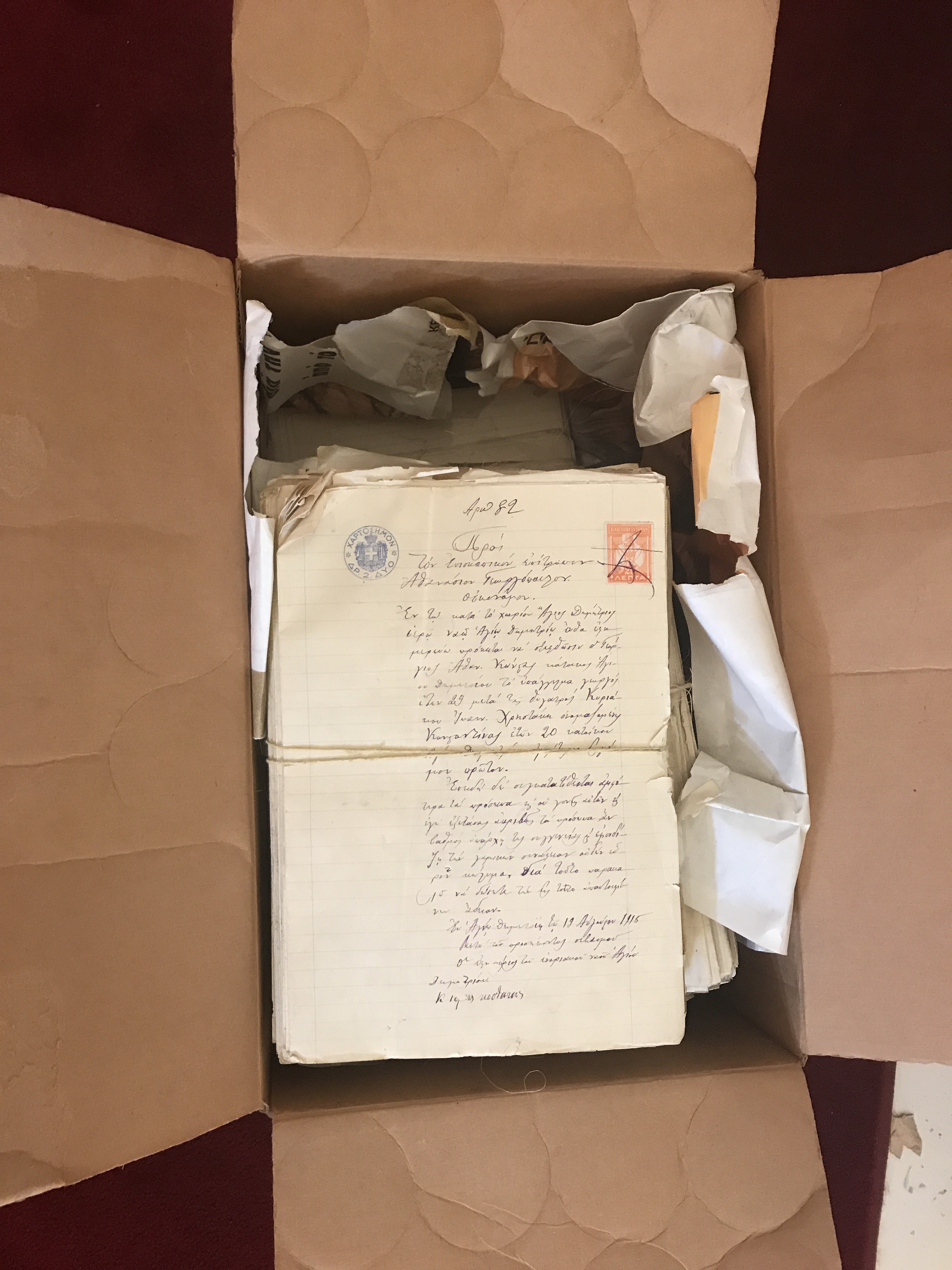
These extant volumes have experienced the horrors of wars, the uncertainties of occupations, and the debacles of natural disasters. Their pages have managed to withstand insect infestations, water damage, mold on covers and on pages, ink spills and human neglect. Honestly, it is a miracle that so many survived.
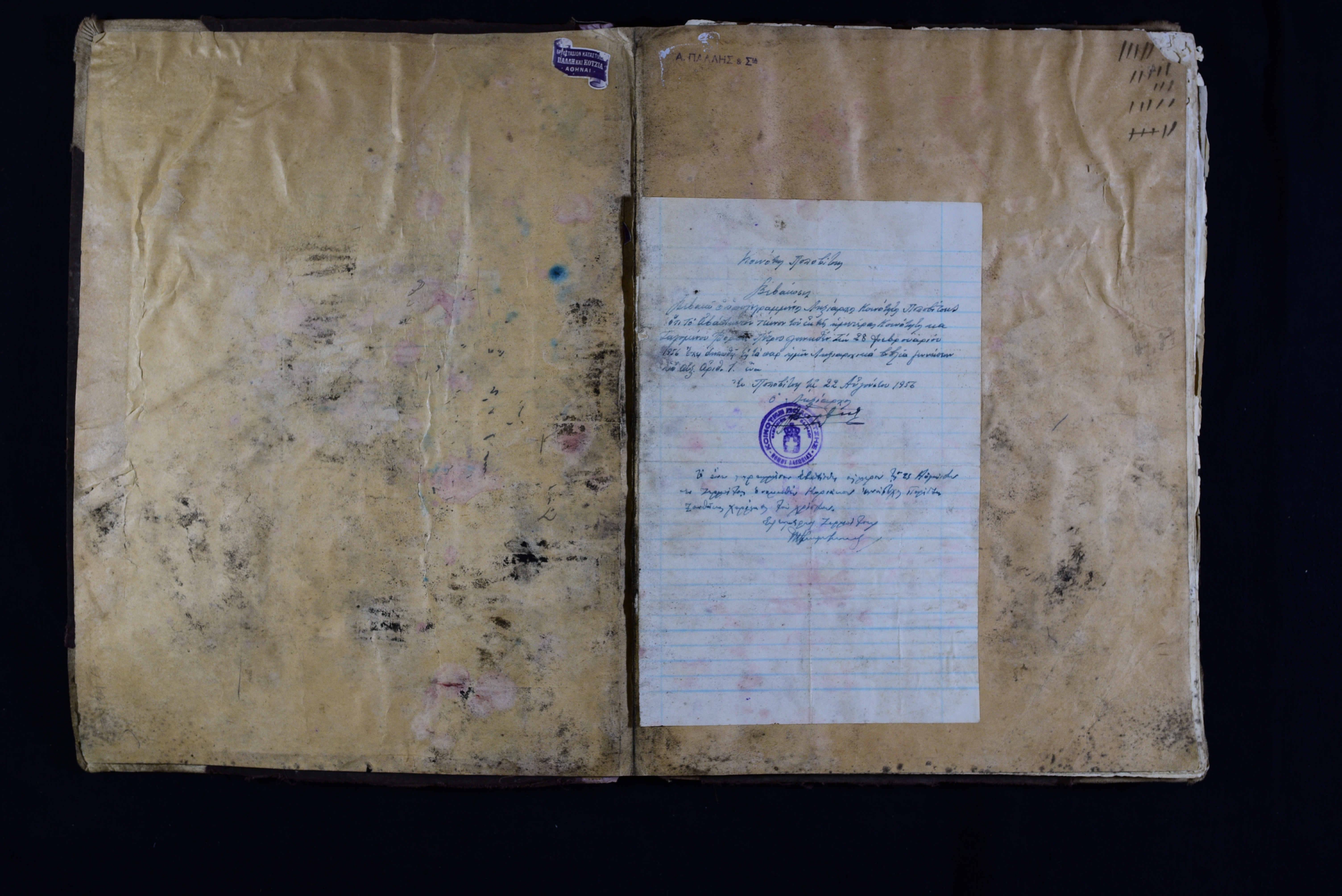
There was mold throughout this book
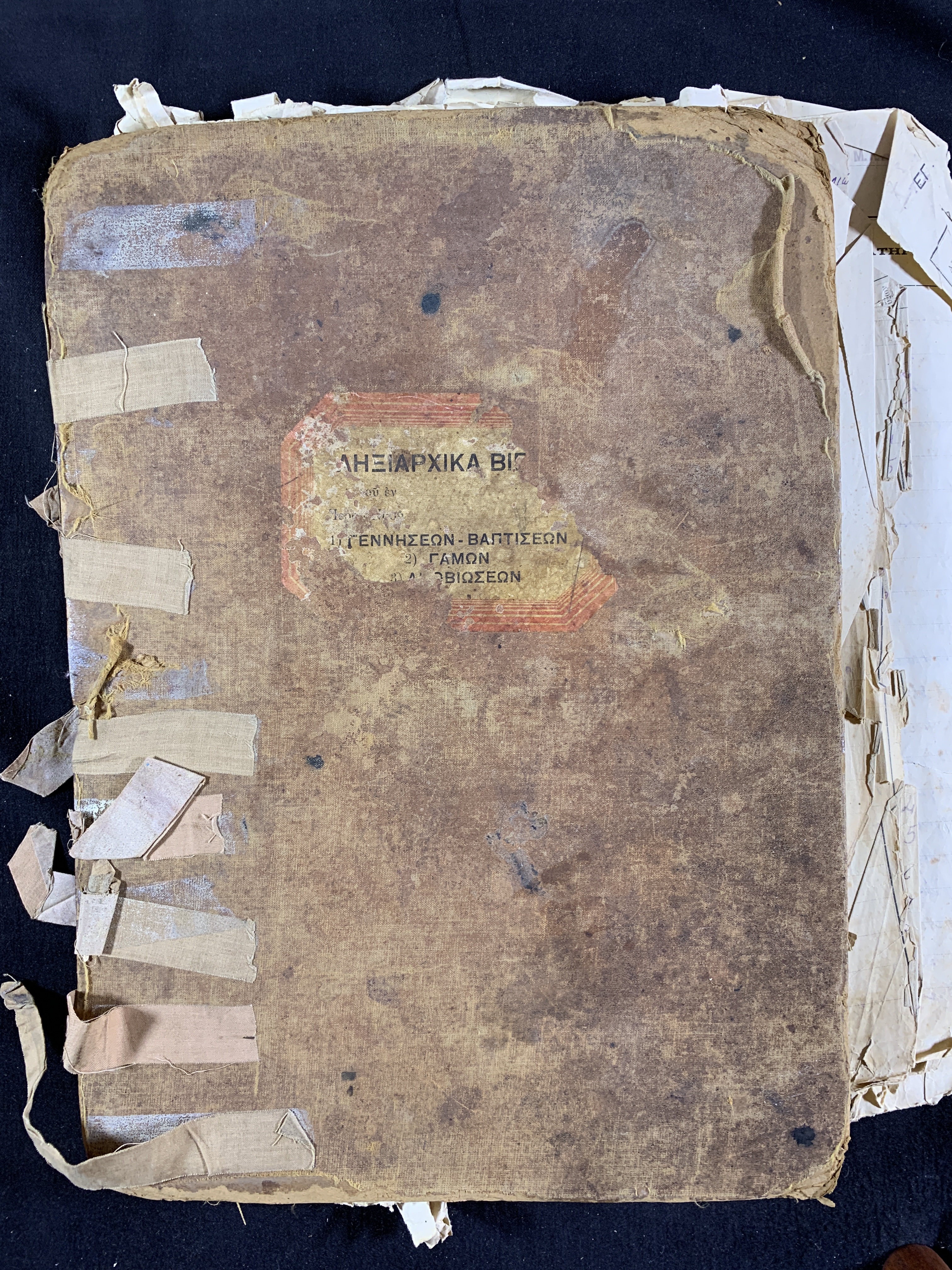
Birth-Marriage-Death Book 1913-52

Birth-Marriage-Death Book 1913-52. Flattening the pages of this book to enable digitization took hours, and was done with the assistance of my cousin, Panorea Kostakos (see photo below).
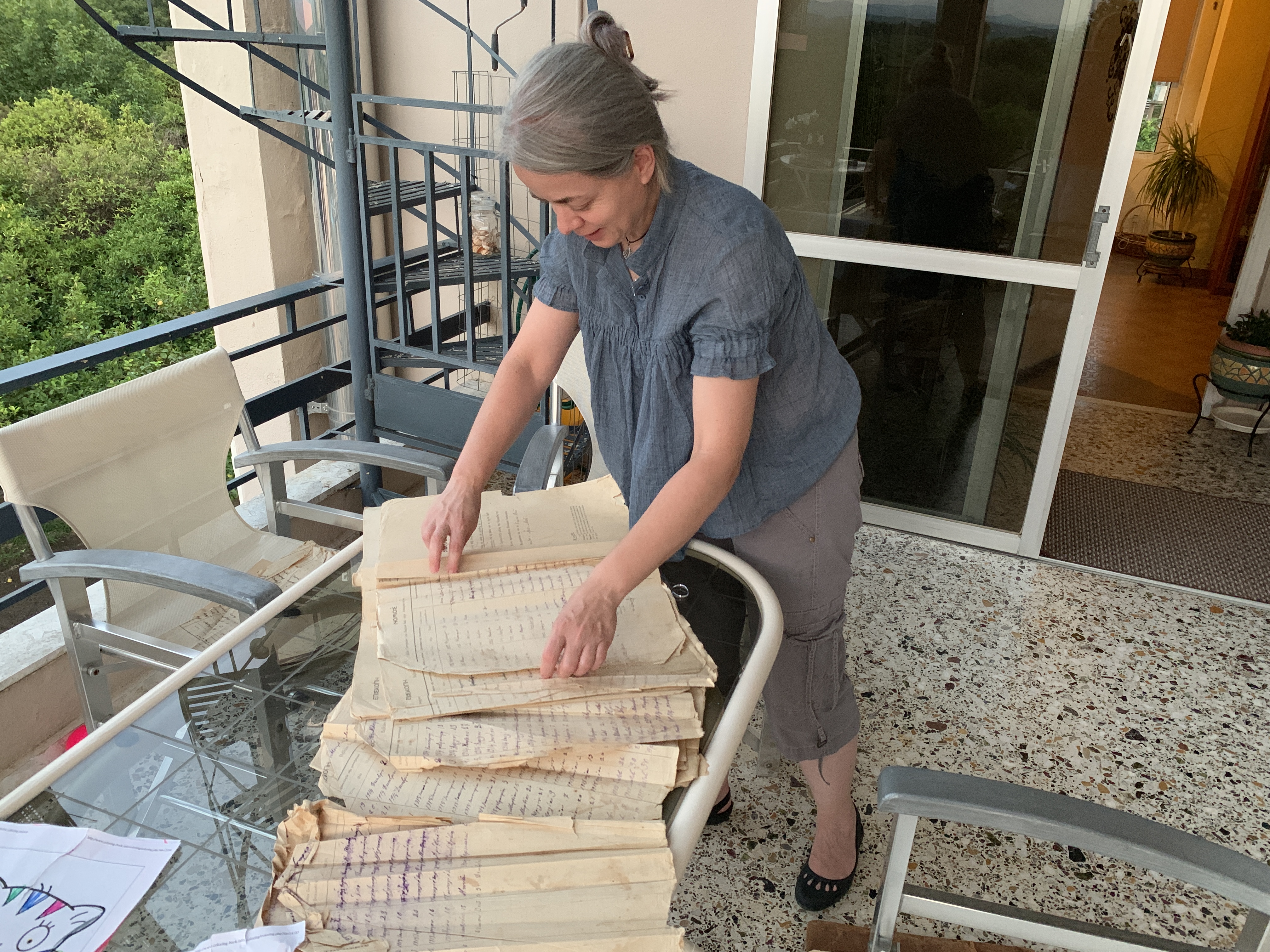
My cousin, Panorea Kostakos, helps to sort and then flatten pages.
But these books reveal much more–the sagas of their villages. They are pieces of history, chronicling the demise of picturesque mountain villages and revealing the growth of places in the fertile Spartan valley. I can see which villages are dying and which are thriving. When I visit uninhabited villages high in the Taygetos, the death versus birth entries reveal the exact timeline of decline with statistical accuracy.

School house in the now uninhabited village of Barsinikos/Taygeti, atop the Taygetos mountains. The school closed in the 1950s due to lack of students.
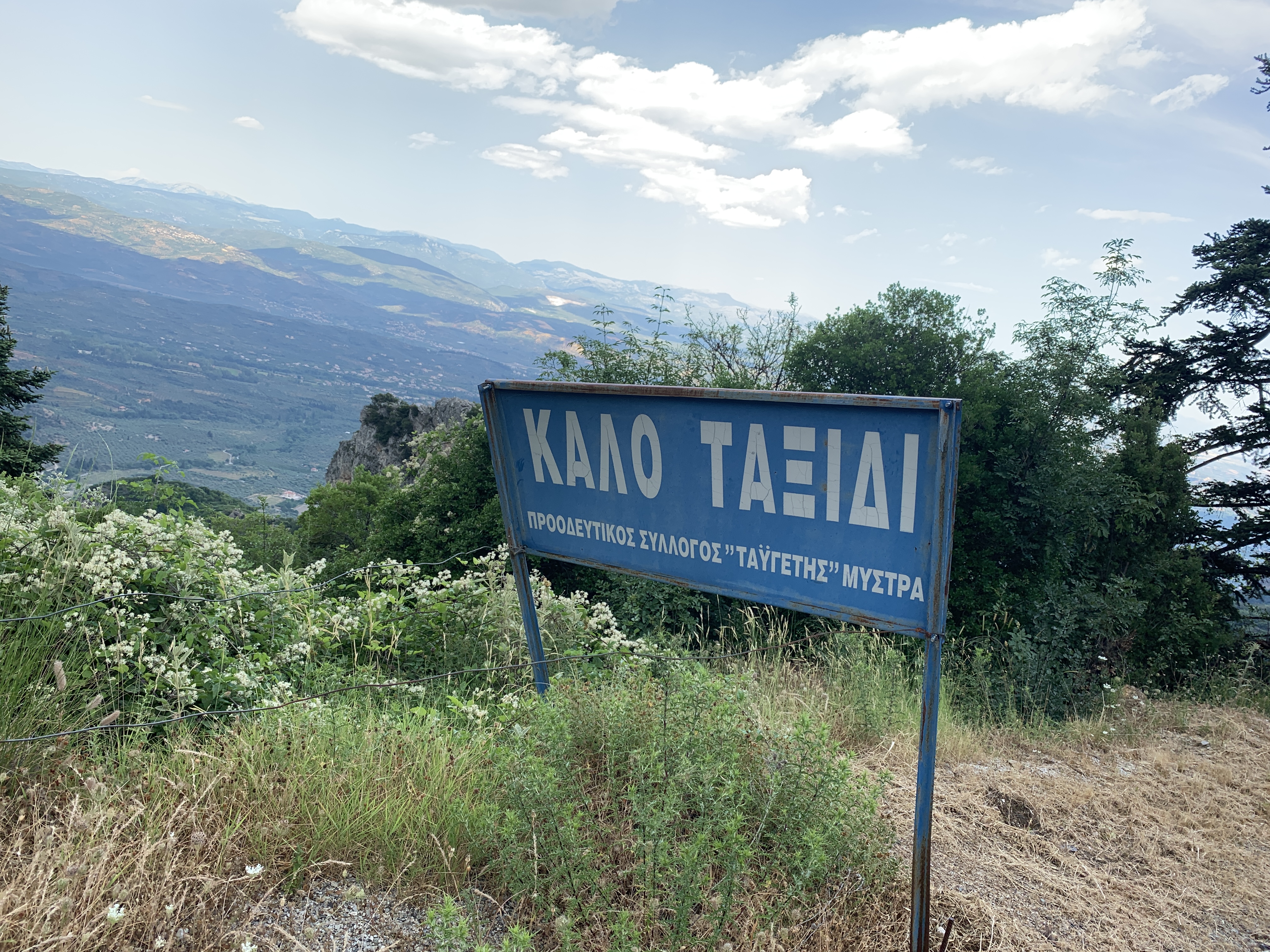
This sign, “Kalo Taxidi” bids visitors a “good trip” as they leave the high mountain village of Barsinikos/Taygeti.
Village churches do not have “offices” or clerical staff. The priest does everything. Some churches may have a storage area with a desk where books are kept, but many priests keep books in their own homes.

A priest’s desk in a church “office.”
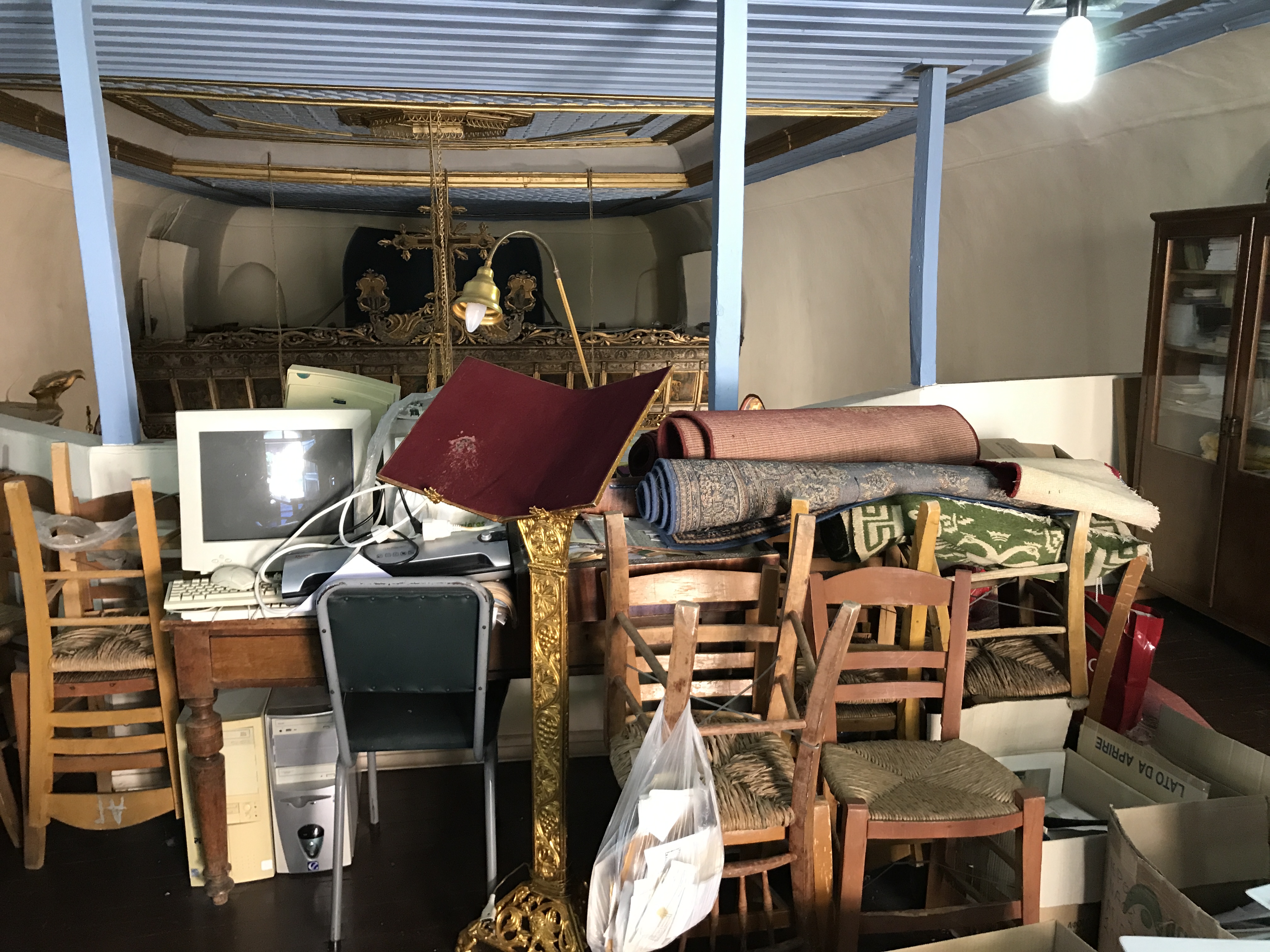
Storage area in a village church
There were times I was saddened by the condition of the books, and times when I marveled at the ingenuity of the priests in their efforts to maintain them. I saw some very creative (although definitely non-archival) restorative measures.

Newspaper book cover

Flowered contact paper used to repair binding

Packing tape was used throughout this book to keep it together

This book is held together with string and metal wire
The photos below show examples of pages from birth, marriage and death books. In 1912, the Orthodox Church standardized book formats, and all priests were to use these new books. I was stunned to find that many priests are still recording entries in books which began in 1912–that means they are using books that are 107 years old!

Magoula, Sparta. Births, Baptisms 1908-1934

Vamvakou, Deaths 1914-2004
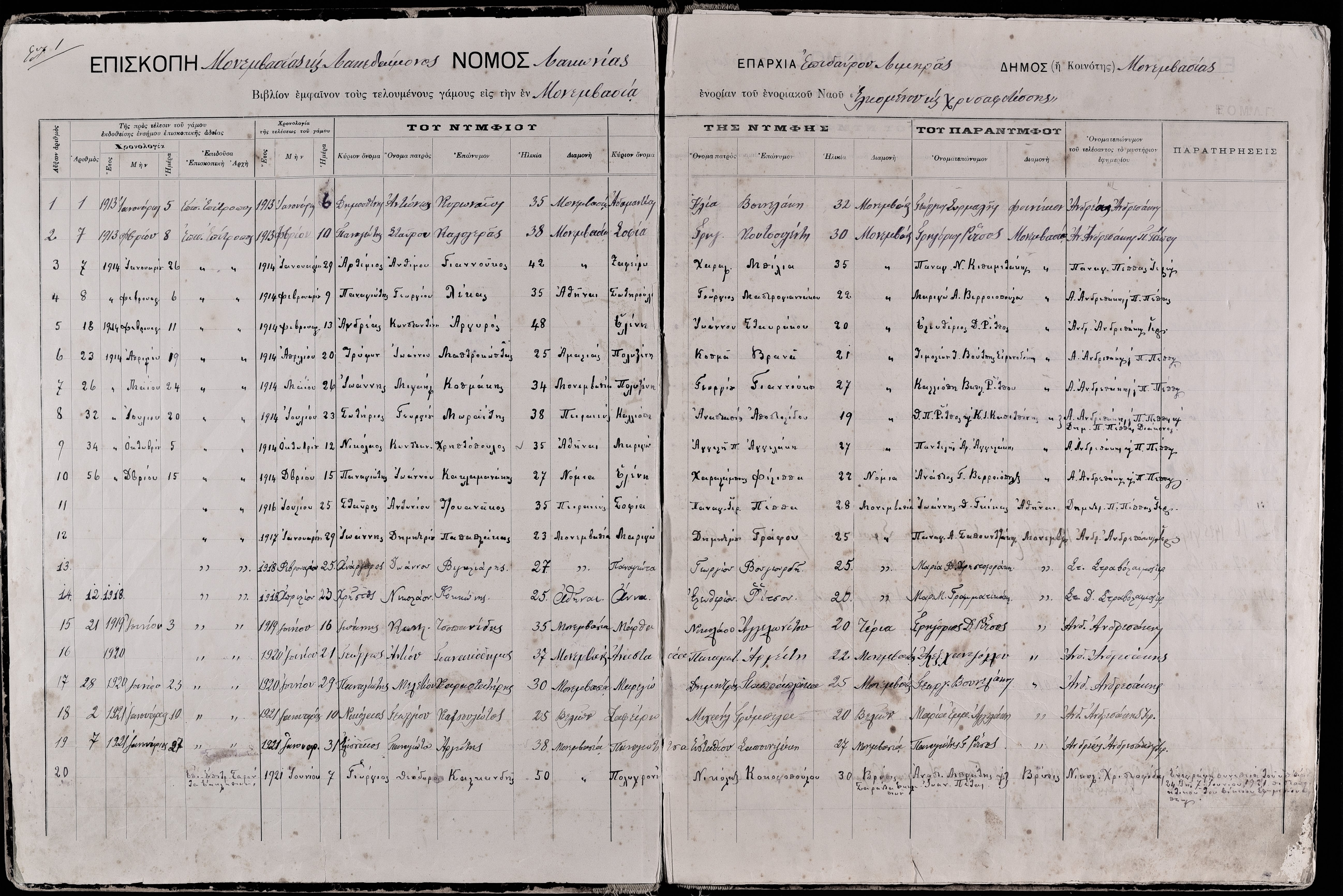
Monemvasia, Marriages 1913-1997
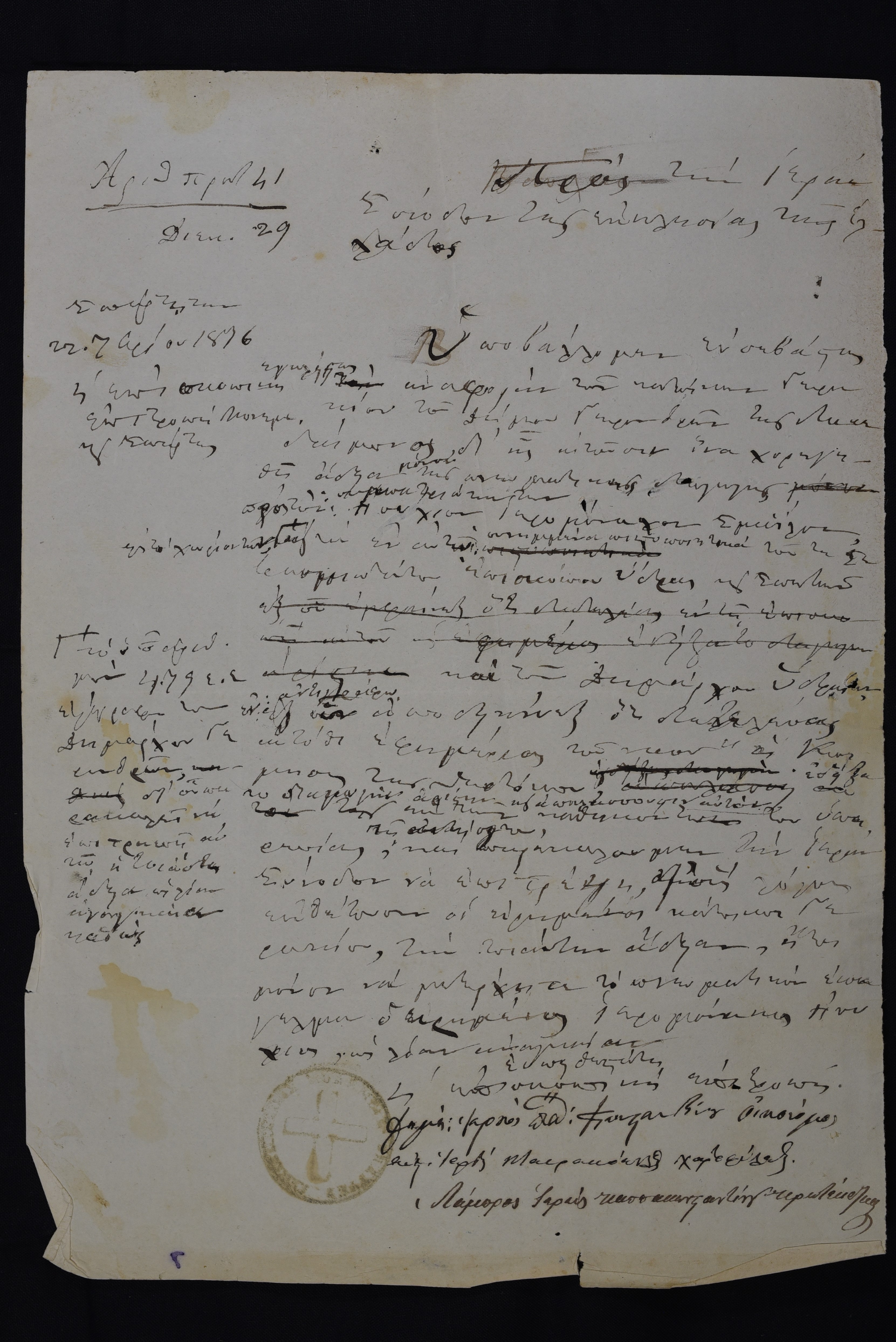
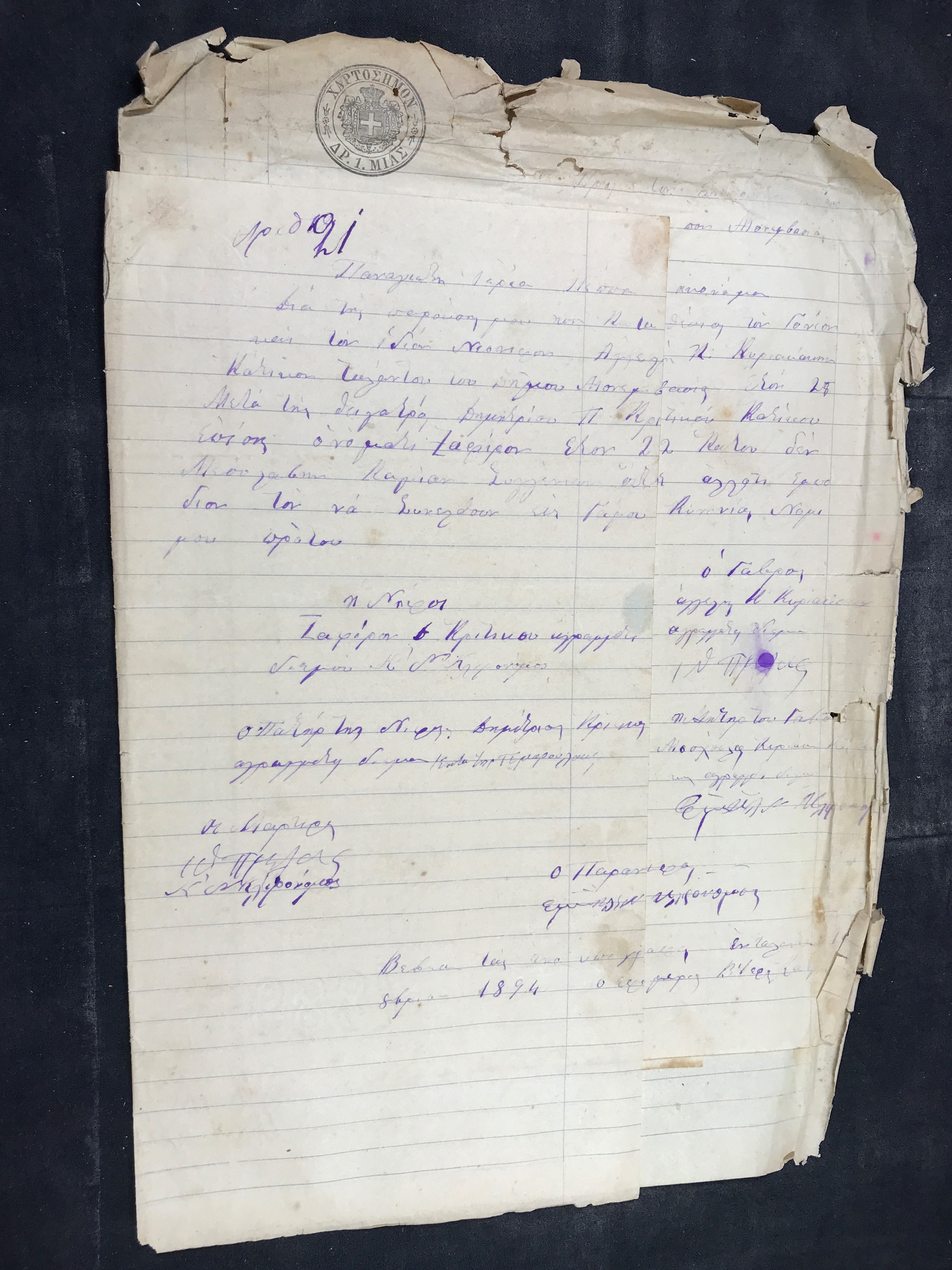
Books from the 1800’s are either faded, almost to the point of non-readability, or in fragments.

Mystras, Births 1860-1885. Although the book is in remarkably good condition, the ink has faded, making it difficult to read the entries
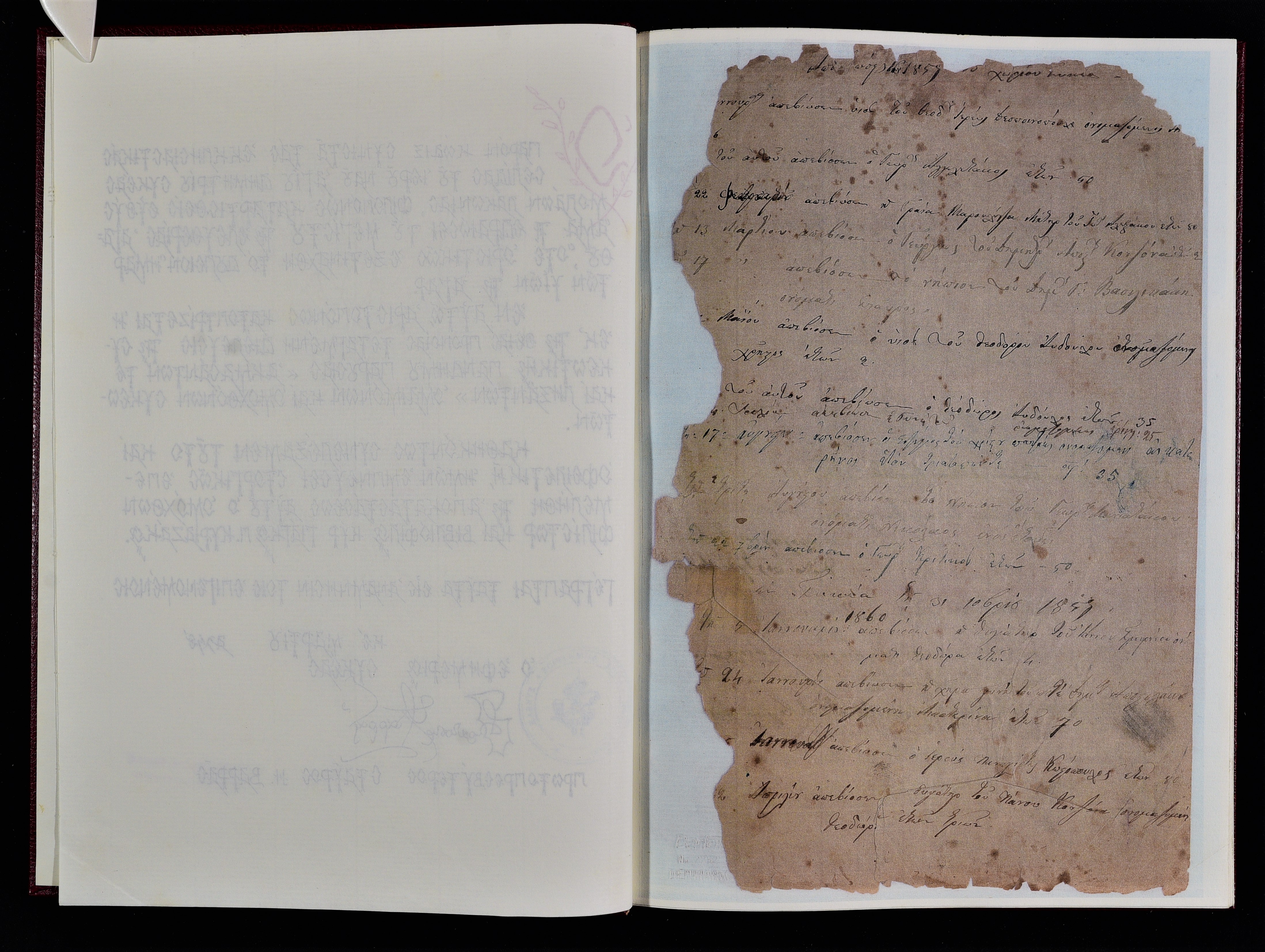
Sykea, Death 1859-1913. The priest had the fragmented pages preserved on rice paper, and the book was rebound
This book of deaths has been rebound and digitized on a CD.

Vlachioti, Deaths 1912-1978. Rebound and digitized, with pages preserved on rice paper
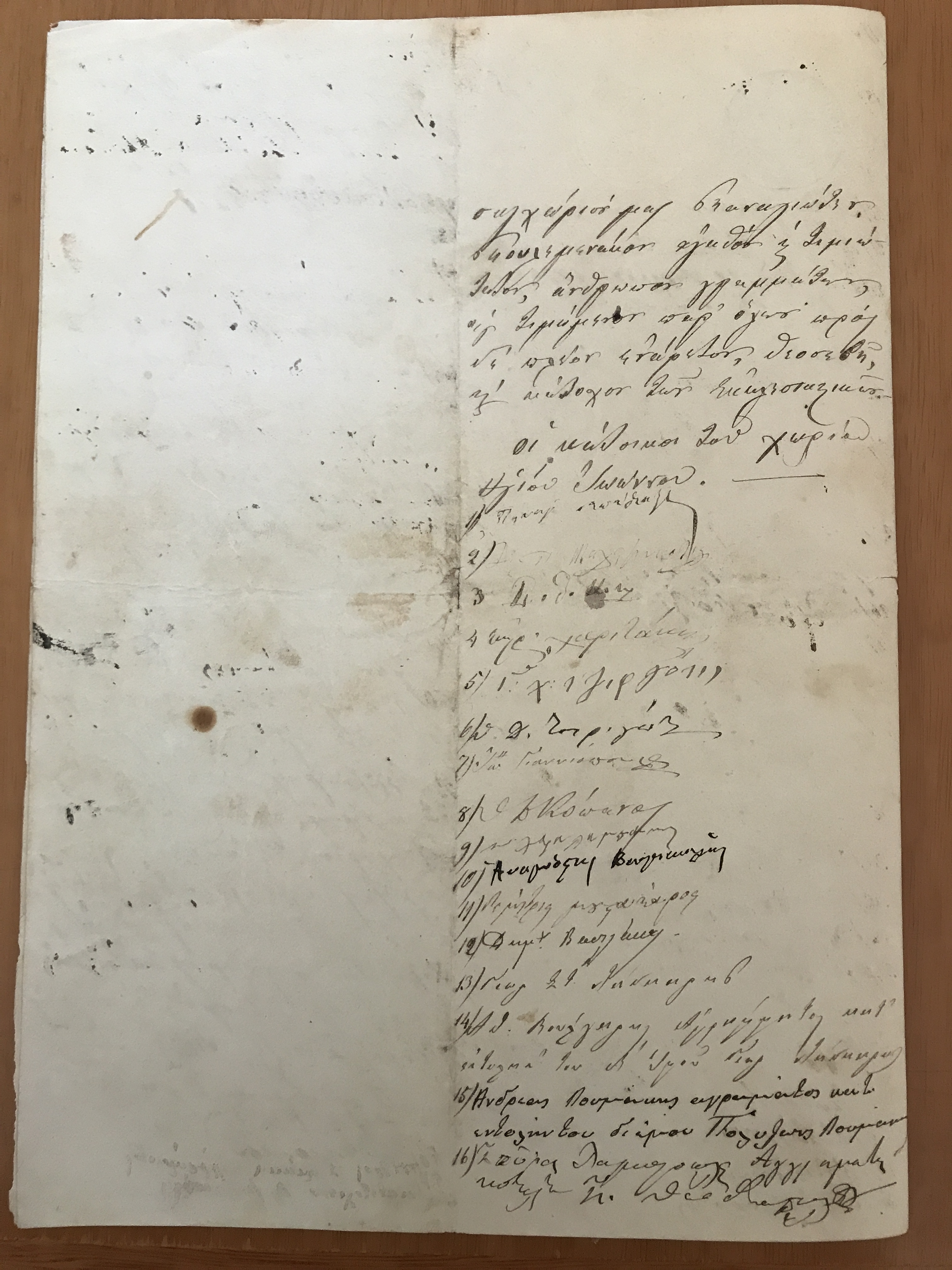
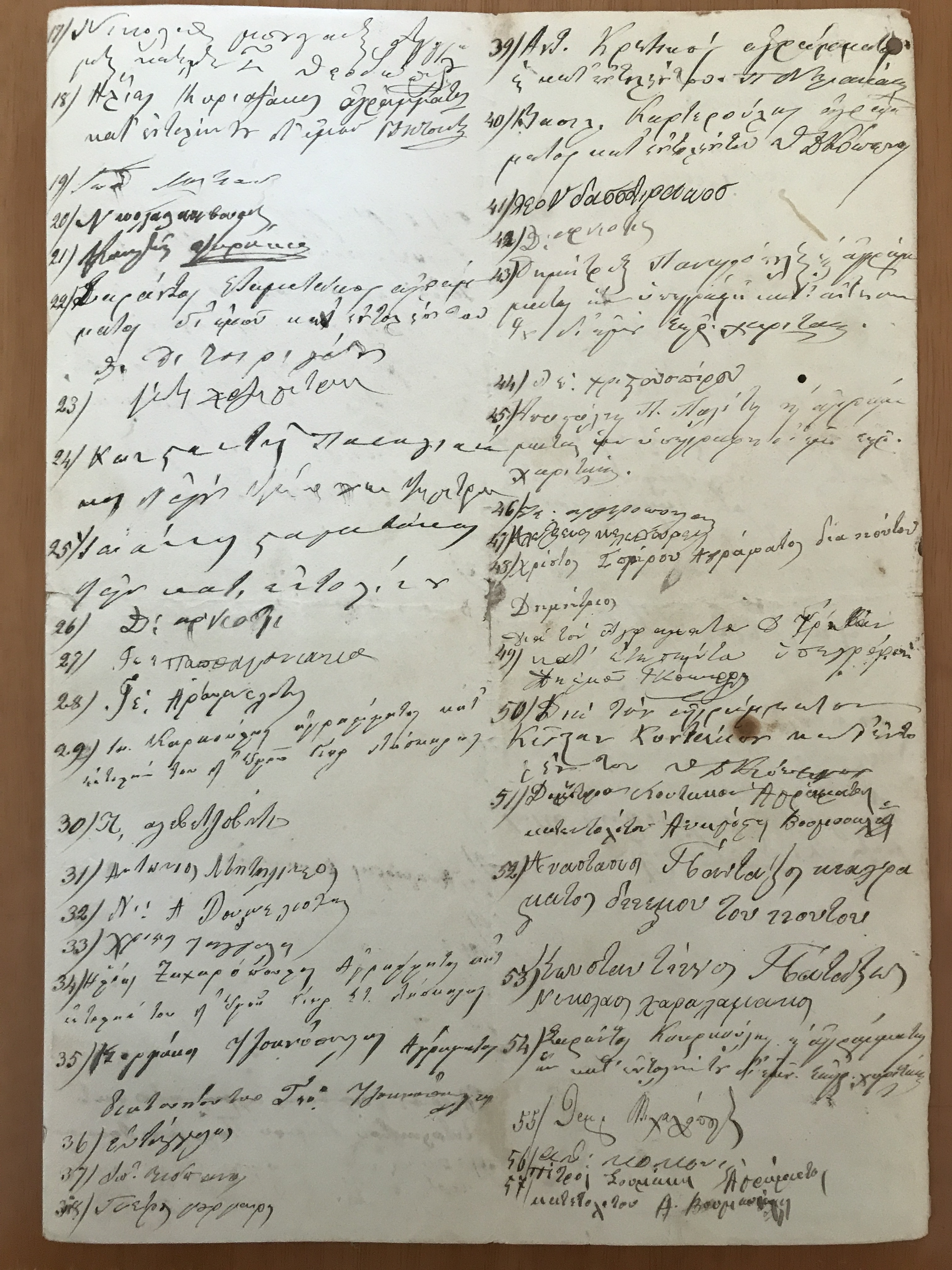
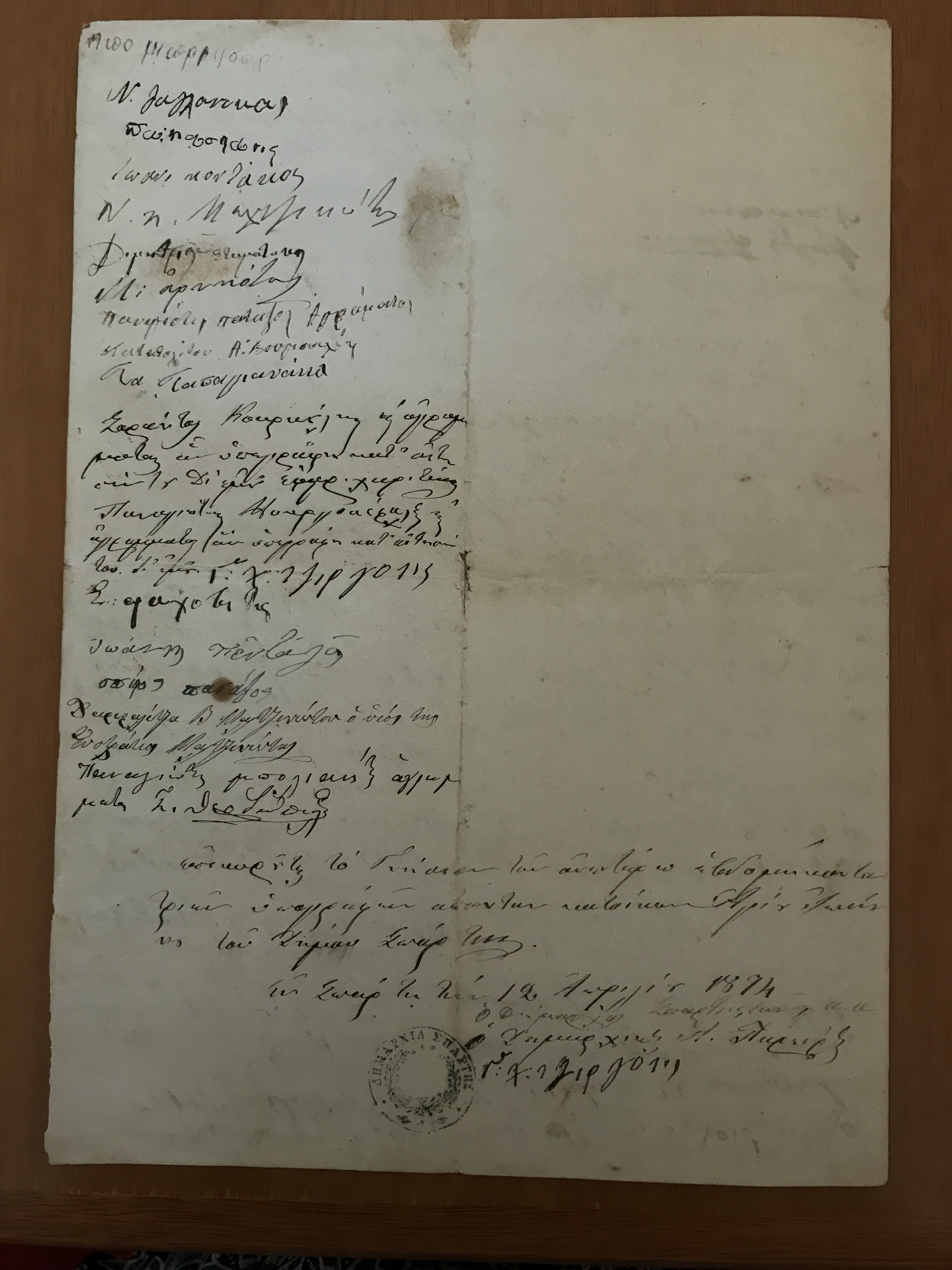
At the start of this project, I was anticipating that most Laconian villages had books dating pre-1900. After all, these villages are hundreds of years old and survived Ottoman, Venetian and Nazi occupation. Sadly, only 11 villages (under the jurisdiction of the Metropolis of Sparta and Monemvasia) have at least one book which has entries from the 1860’s or later: Anogeia, Agios Ioannis (Sparta), Geraki, Mystras, Krokees, Koulentia (Ellinikou), Perivolia, Sykea, Voutiani, Vroulia (now Sellasia), Xirokambi. Sadly, so much of our history has already been lost. But we now have “put our finger in the dike” by preserving what does exist and having back-up copies at the Metropolis.
This work could not be done without the support of Gilad Japeth, CEO of MyHeritage.com. His company will host these digital images and foster the acquisition of additional Greek record collections.This will help meet the increasing demand for vital records from Greece: over 22,600 people are members of the Hellenic Genealogy Geek Facebook page with many new additions daily. We are riding a tsunami of interest and the wave continues to increase.
It is a privilege for me to have the opportunity to preserve the records of my ancestral homeland. I am grateful for the trust of Bishop Efstathios, who embraced the idea of record preservation with great enthusiasm and sincerity, and allowed me to handle these volumes. As a volunteer, this is one small way I can “give back” to the community which gave my family life.

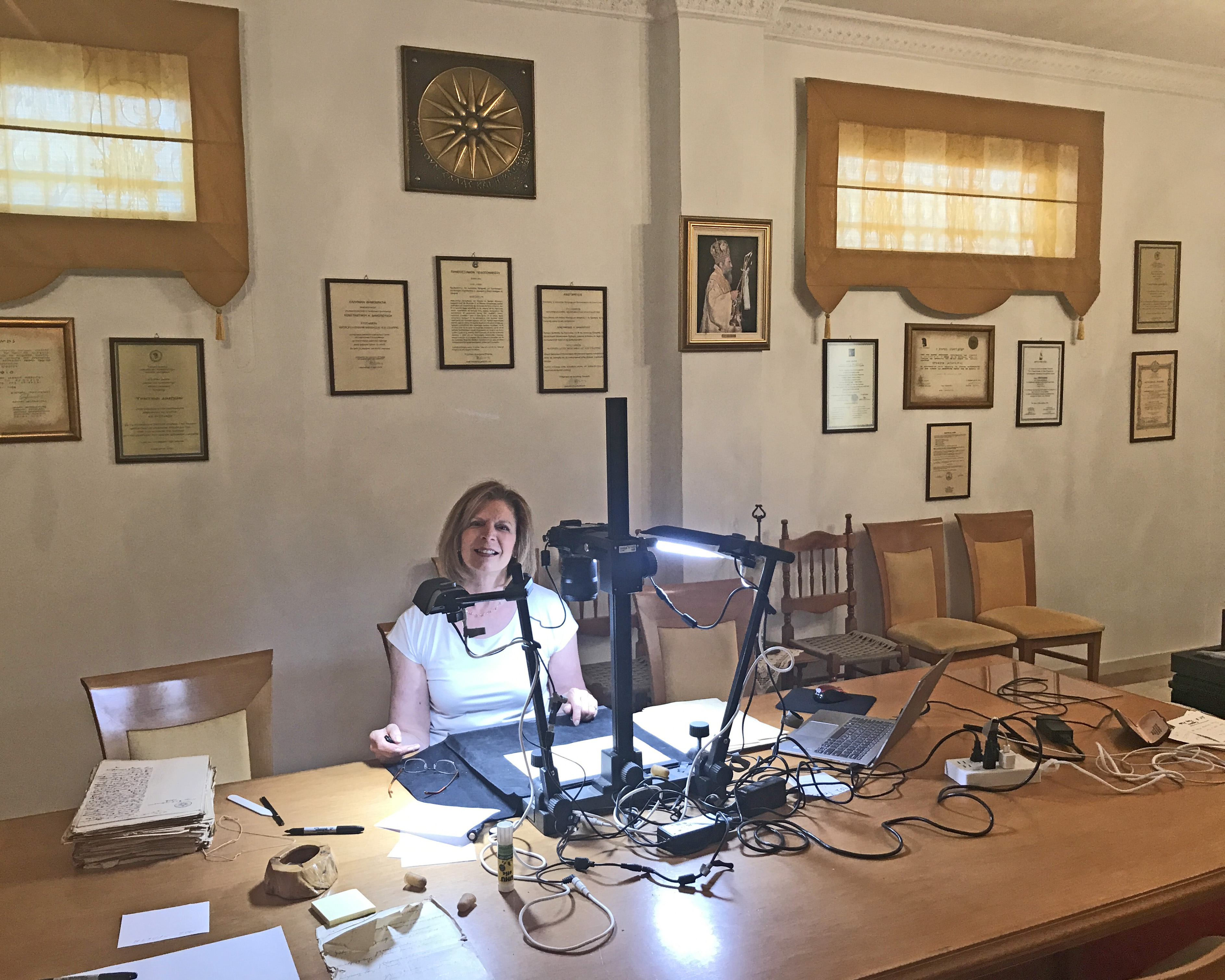
Working in the Metropolis conference room to digitize the village church books


 Spartan Roots (Σπαρτιατικές Ρίζες)