Unknown's avatar

About Spartan Roots

I am of Greek ancestry with roots in villages near Sparta. My paternal grandparents and maternal grandfather were born in Agios Ioannis (St. Johns), and my maternal grandmother was born in Mystras. I love family history research and have been tracing my roots for many years. I was born in Brooklyn, New York and was raised in a predominantly Greek neighborhood close to extended family. I live in the Washington D.C. metropolitan area and work as a volunteer Co-Director of the Washington, D.C. Family History Center and a genealogy aide/project aide at the National Archives in Washington, D.C. I am always updating and adding new information. Please contact me - I would love to hear from you!

Greece 2019 – Pieces of Athens

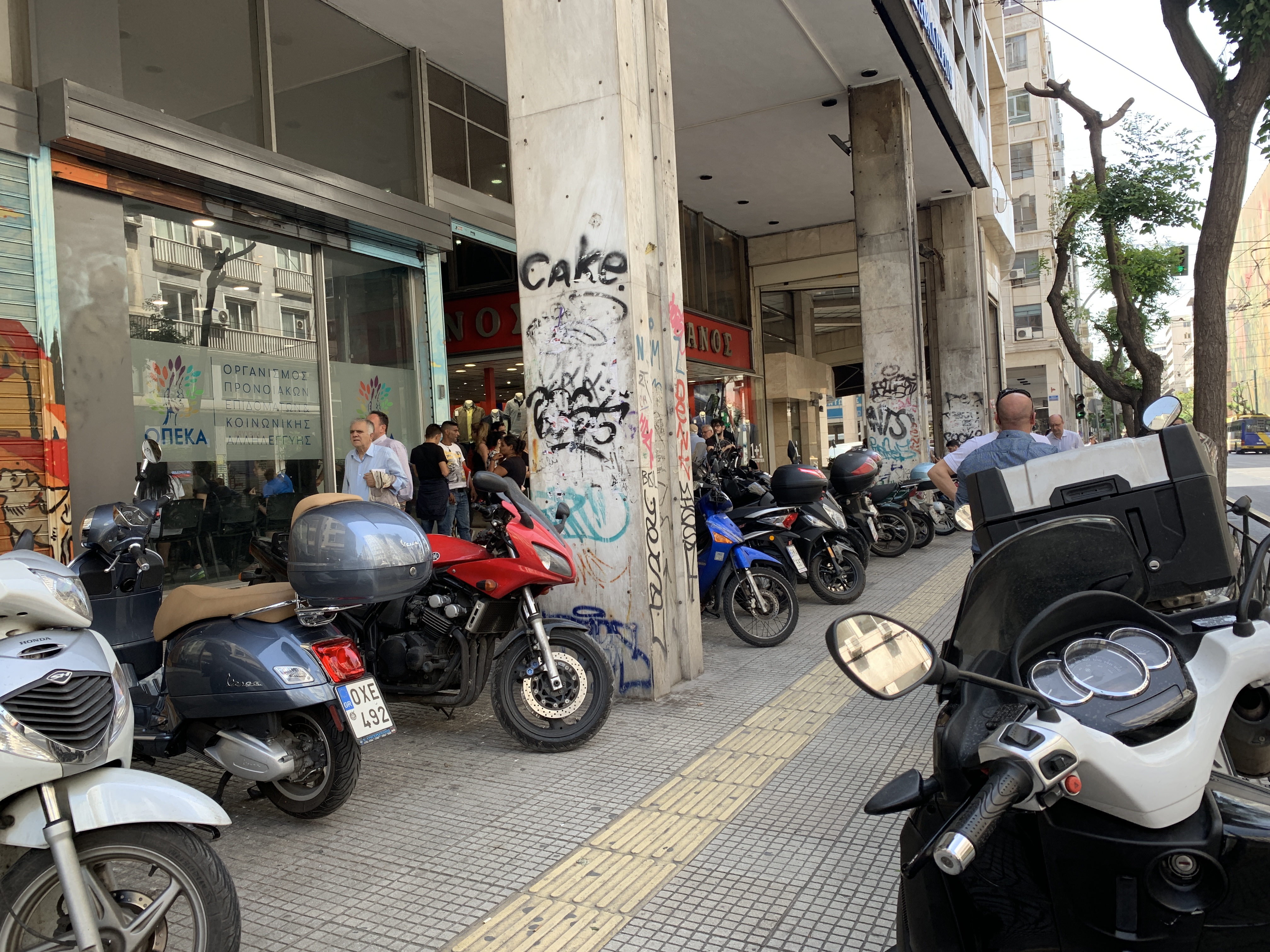
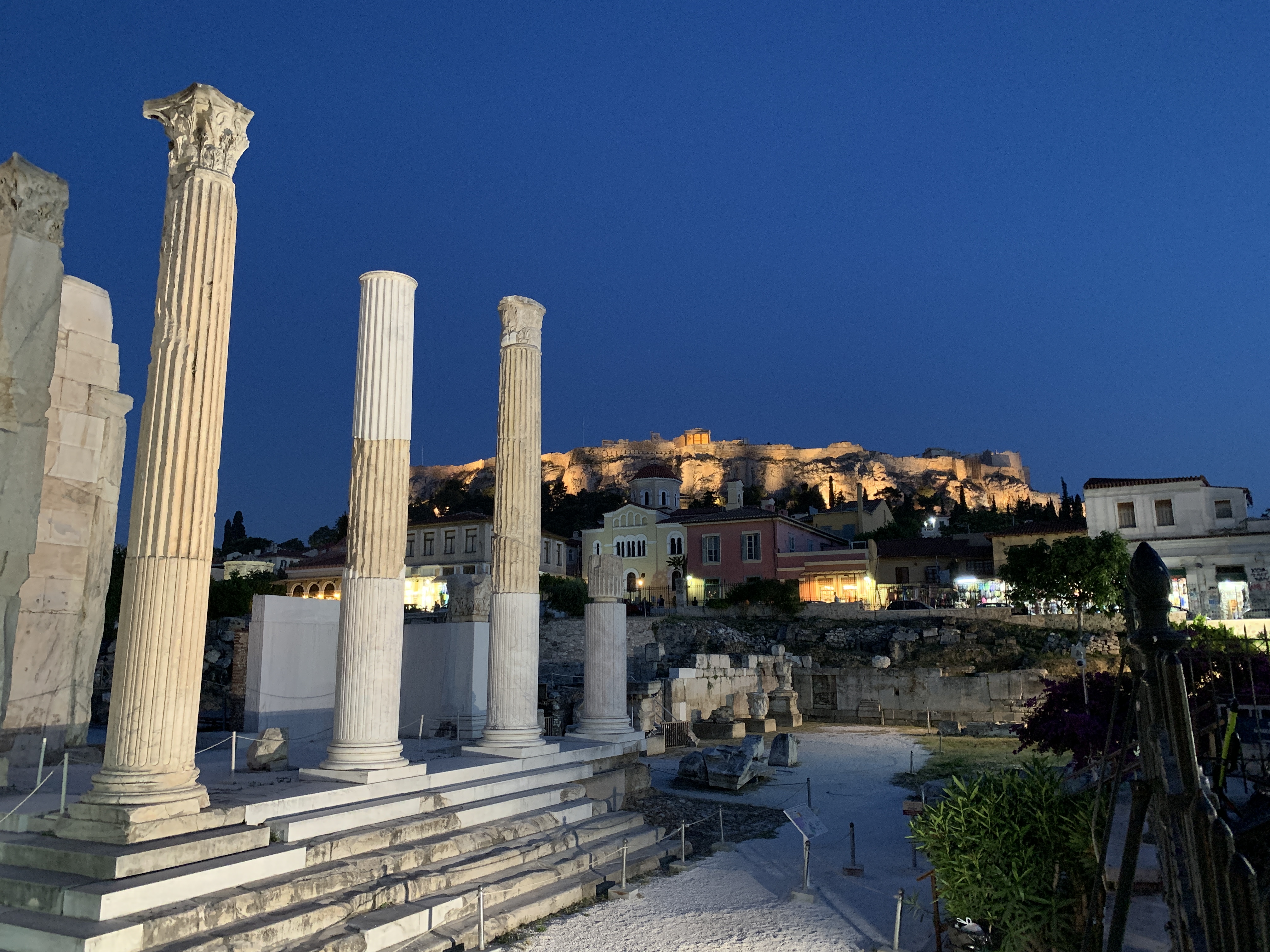
What can I say about Athens? It is an antithesis of itself:  noisy and crowded yet glorious and beautiful; a place to be visited and treasured for its architecture, history and contributions to civilization.  Sadly, Athens is tattooed with graffiti on almost every available space of concrete. Although distracting, it doesn’t detract from the energy and ambiance of the city. A few photos of this city on a hill:

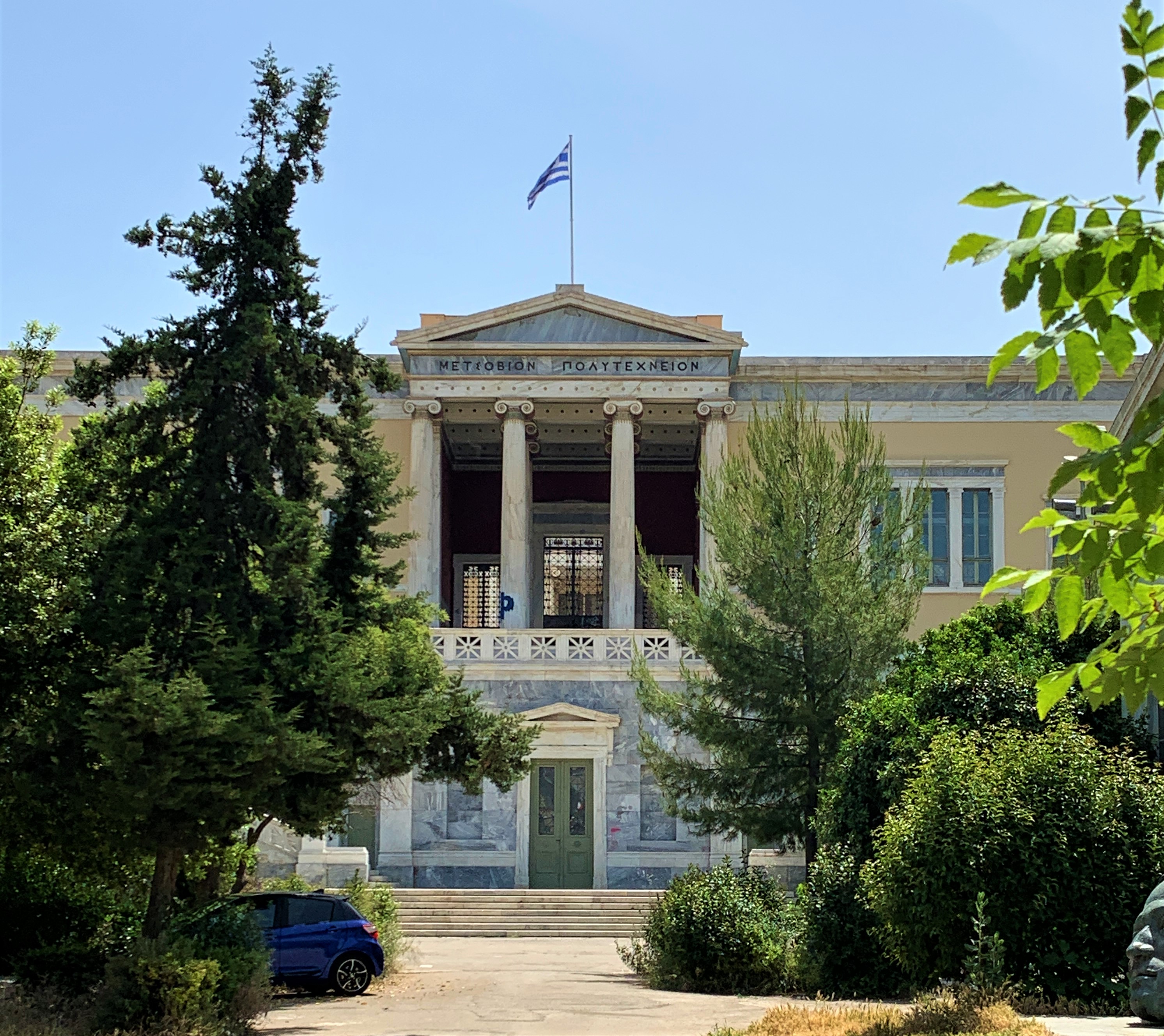
National Technical University of Athens

The primary–and dangerous–means of transportation!

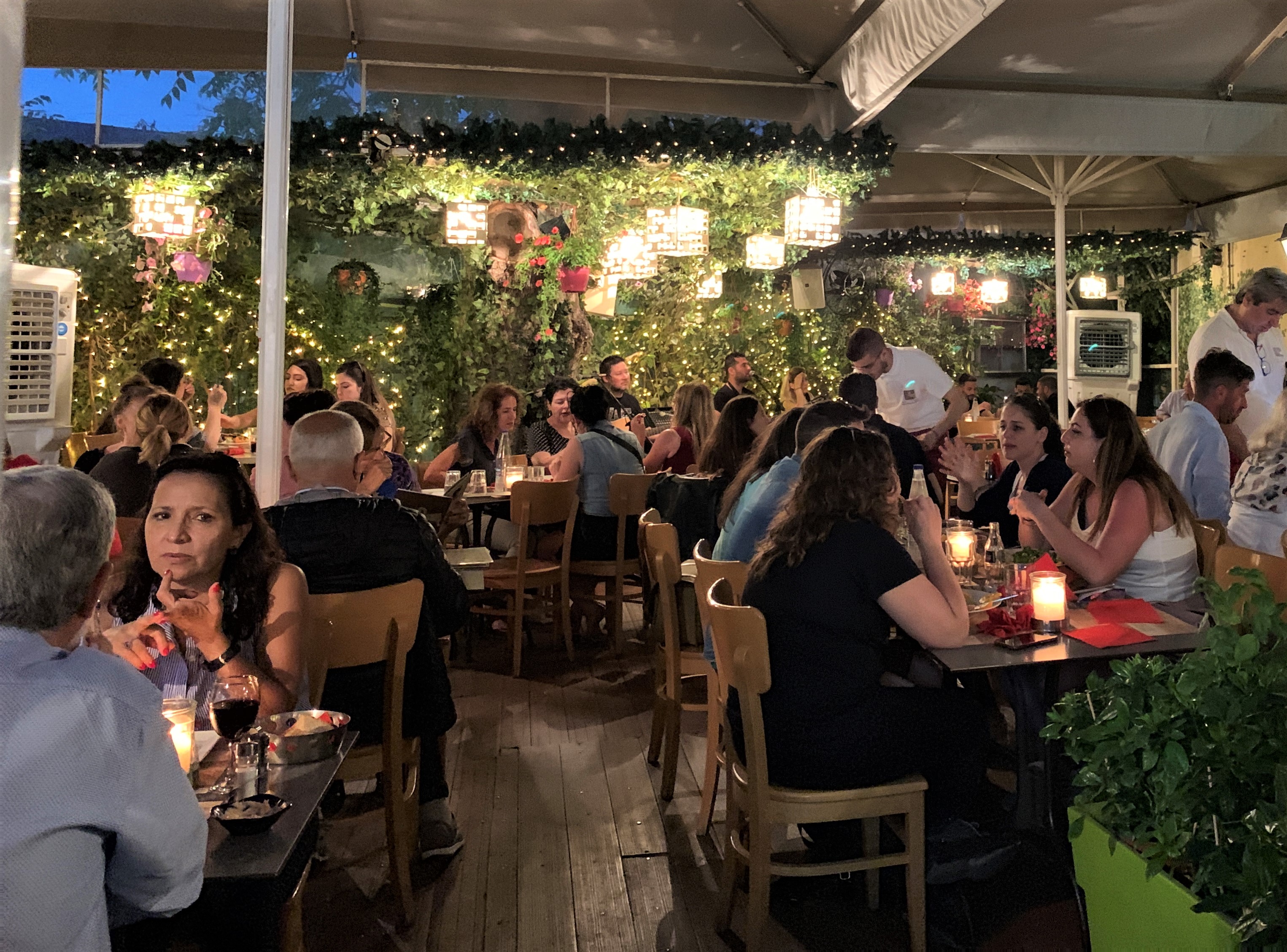
Dining at night is always outside

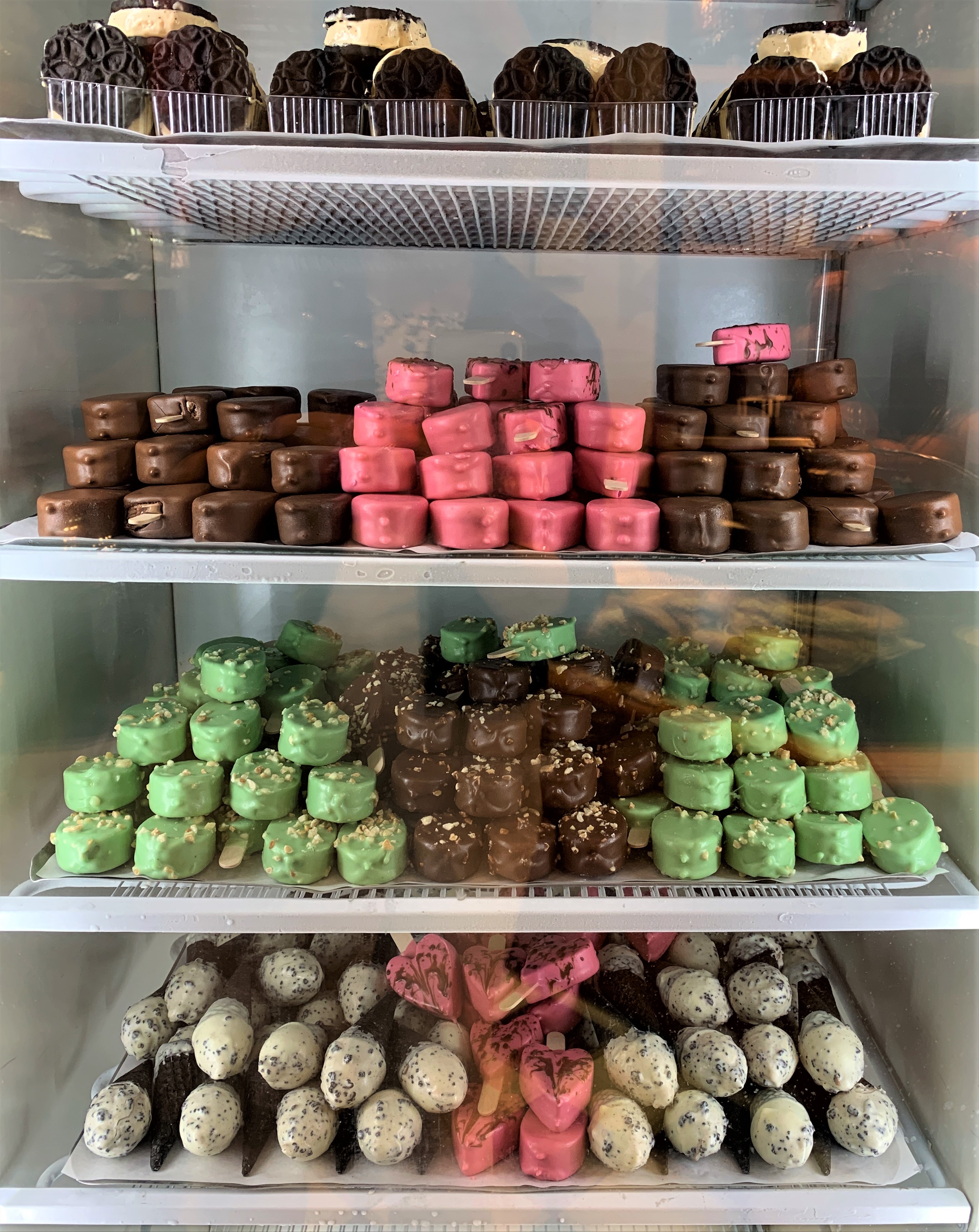
These mini ice cream treats are found everywhere in Greece. Just a couple of bites to satisfy!

The Acropolis shines throughout Athens

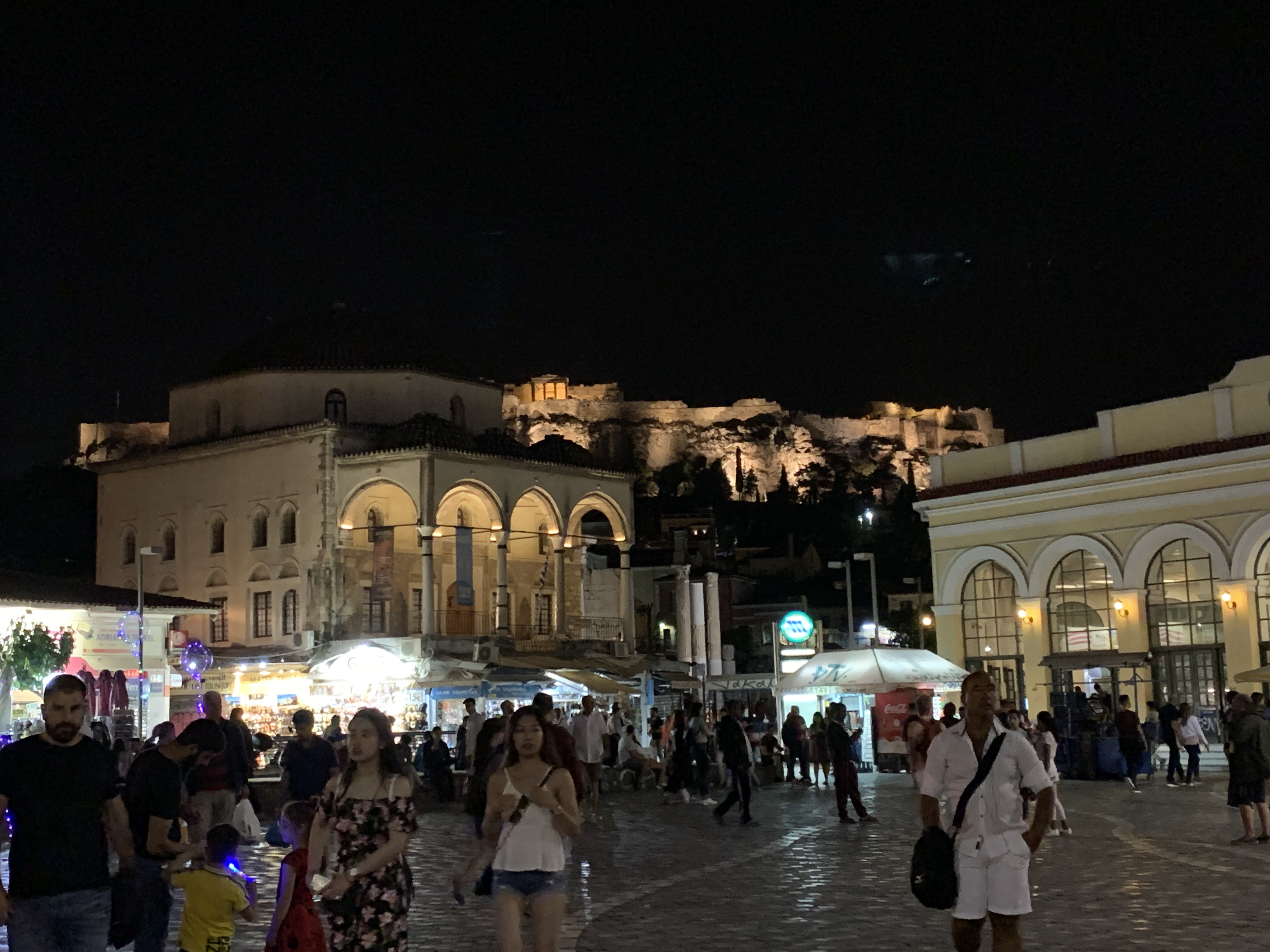
Monastiraki Square, one of the hubs of Athens

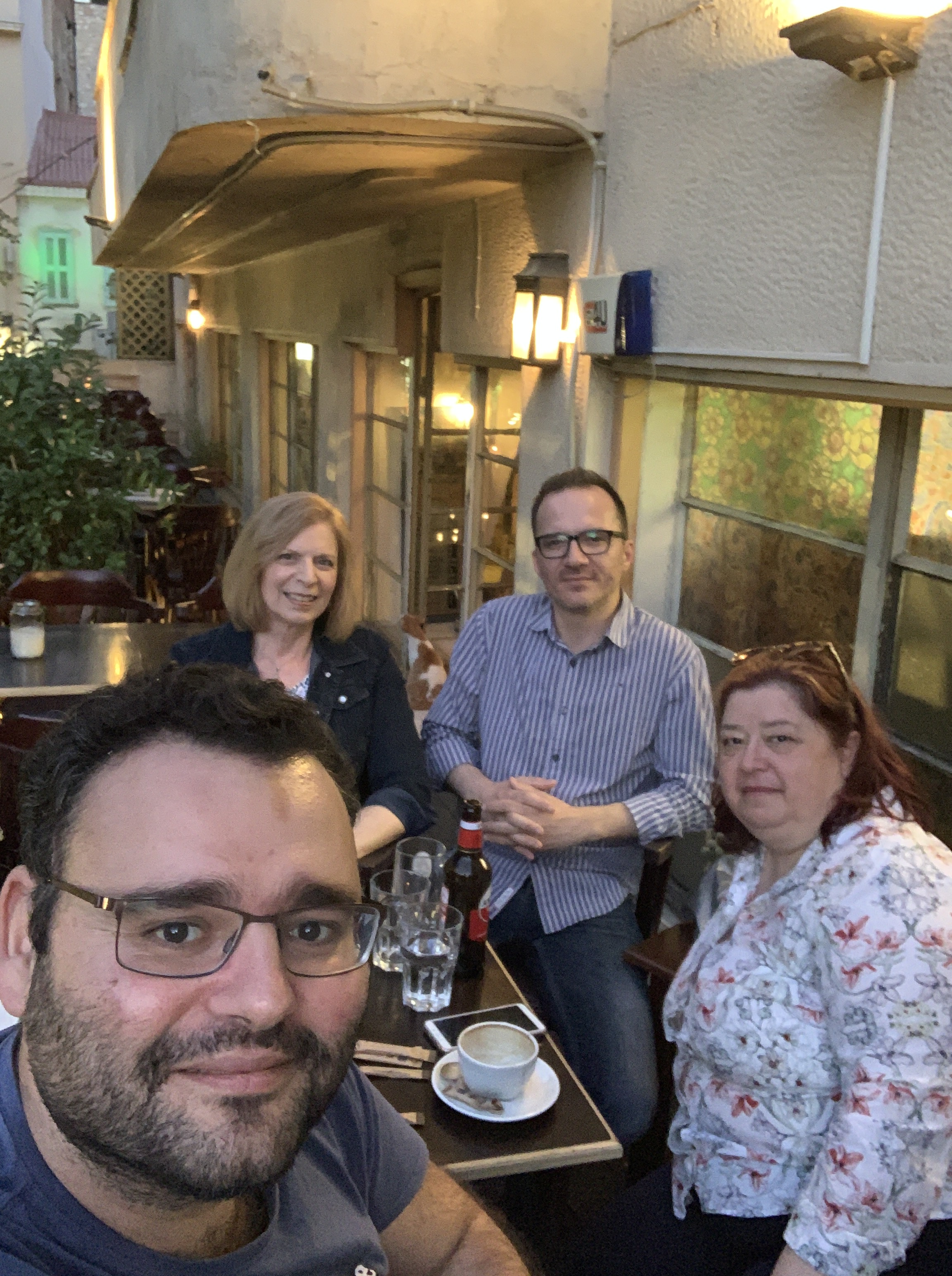
Enjoying the night with friends:  Giannis, Konstantinos, Giota


Greece 2019 – Back to the Motherland

My work preserving church records in Sparta continues this summer. I returned to digitize birth, marriage and death books in 151 churches in Laconia. These vital records are of unparalleled importance to family historians, especially when there are limited resources available to researchers.

Taking Off! At Dulles Airport near Washington, D.C. May 26, 2019

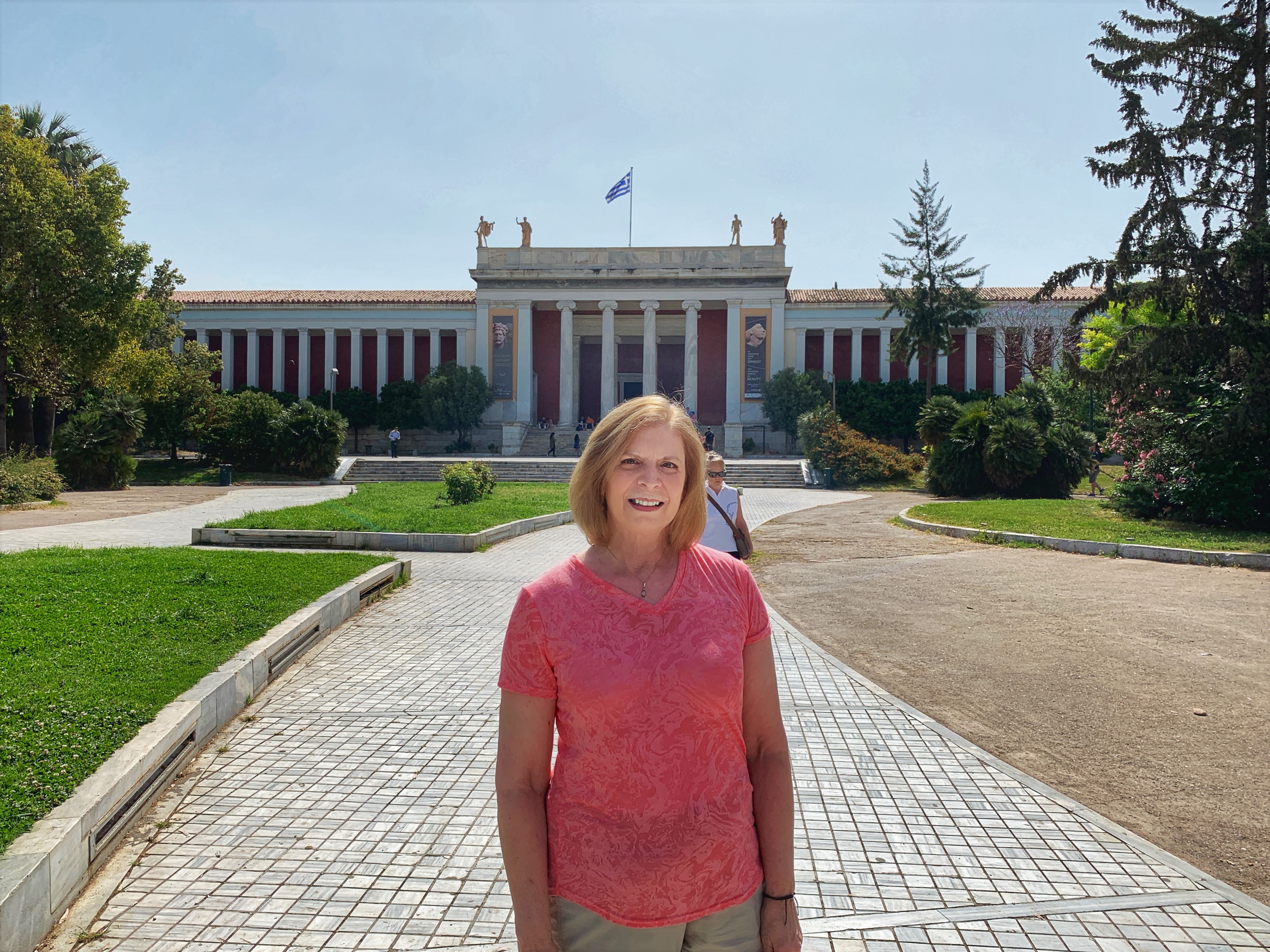
Last summer, I did not get to Hydra, Delphi and the National Archaeological Museum in Athens. This year, I am taking a few days to see these before I travel to Sparta and begin work. I started with the National Archaeological Museum in Athens.


In front of the National Archaeological Museum, Athens

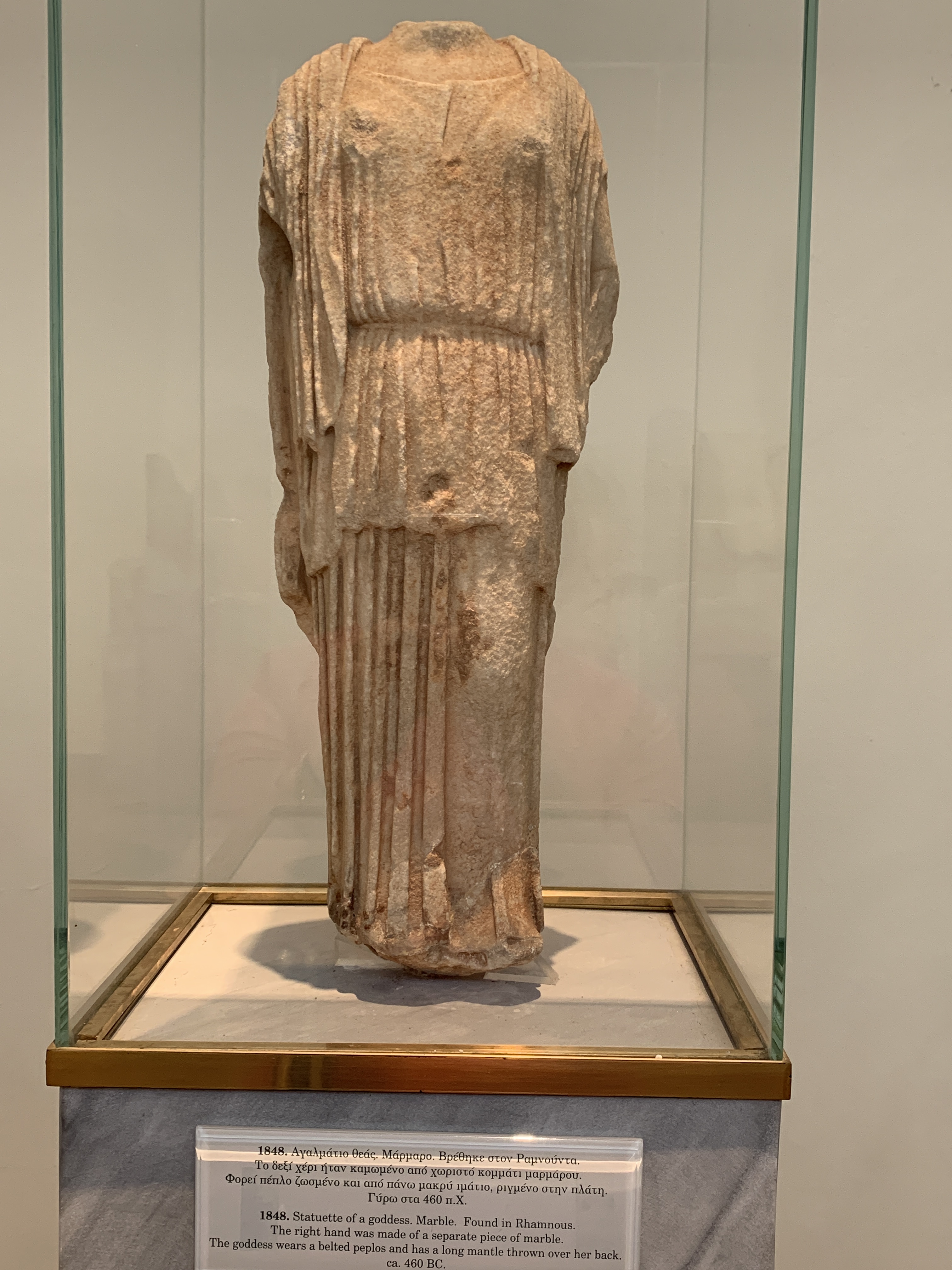
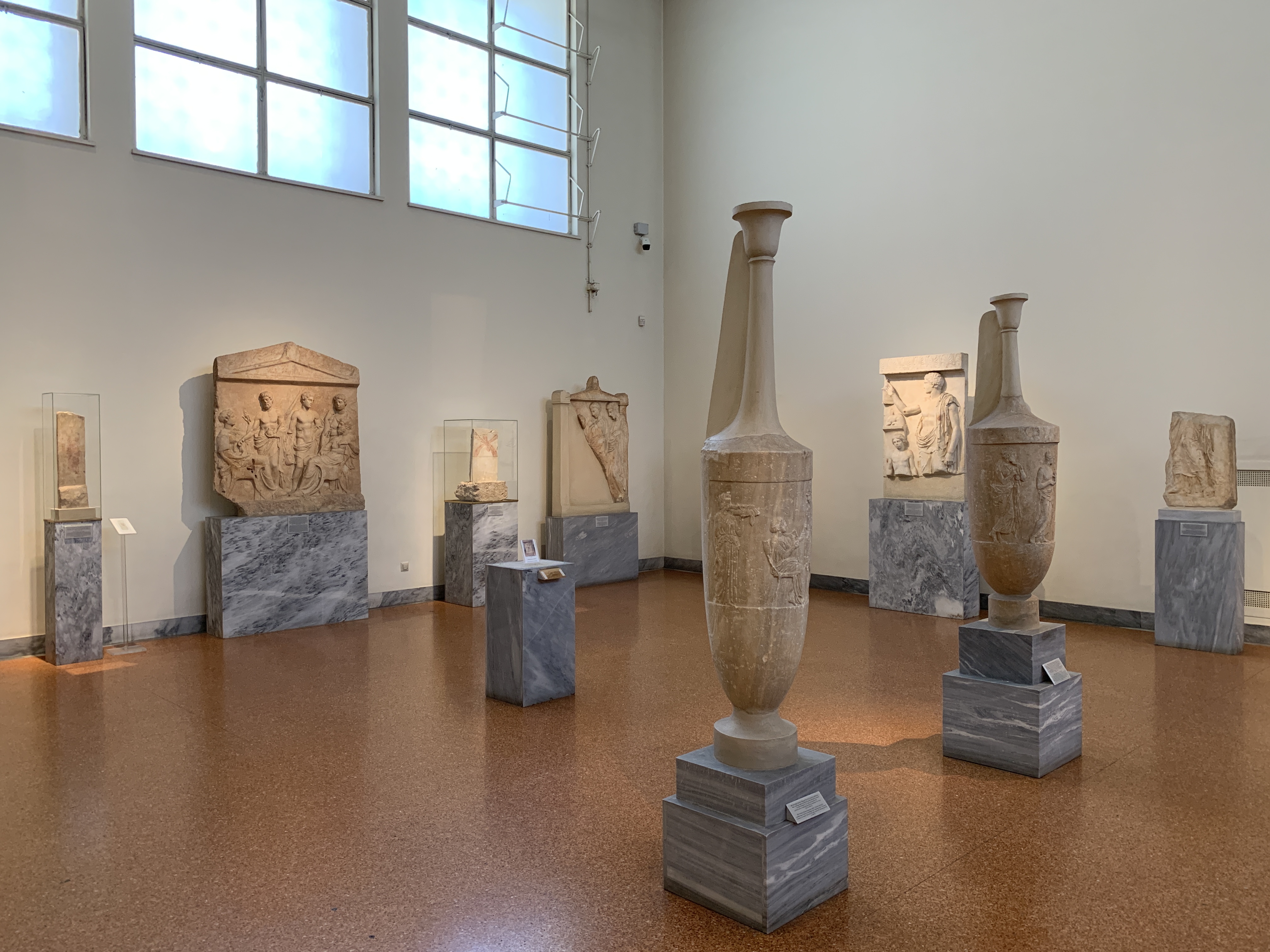
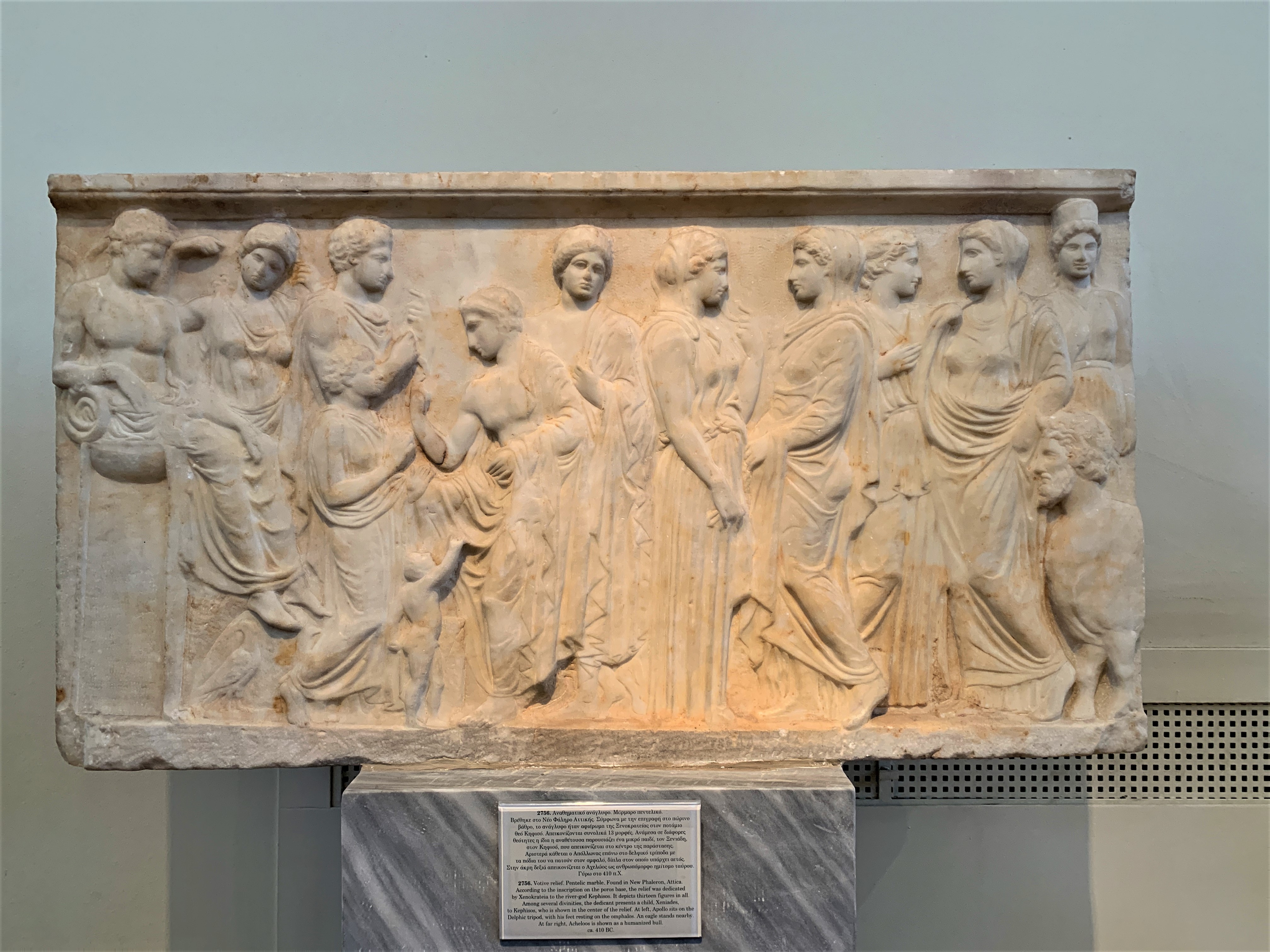
Its treasures, some dating back to prehistoric times, are awe-inspiring. The craftsmanship, intelligence and foresight of the sculptors and artists cross the span of time, and testify that brilliance did not begin in the 20th century. These photos are some of my favorites.

Goddess, 460 BC

Funeral monuments and lethykos, Attica region, 420 BC

Votive relief, Attica region, 410 BC

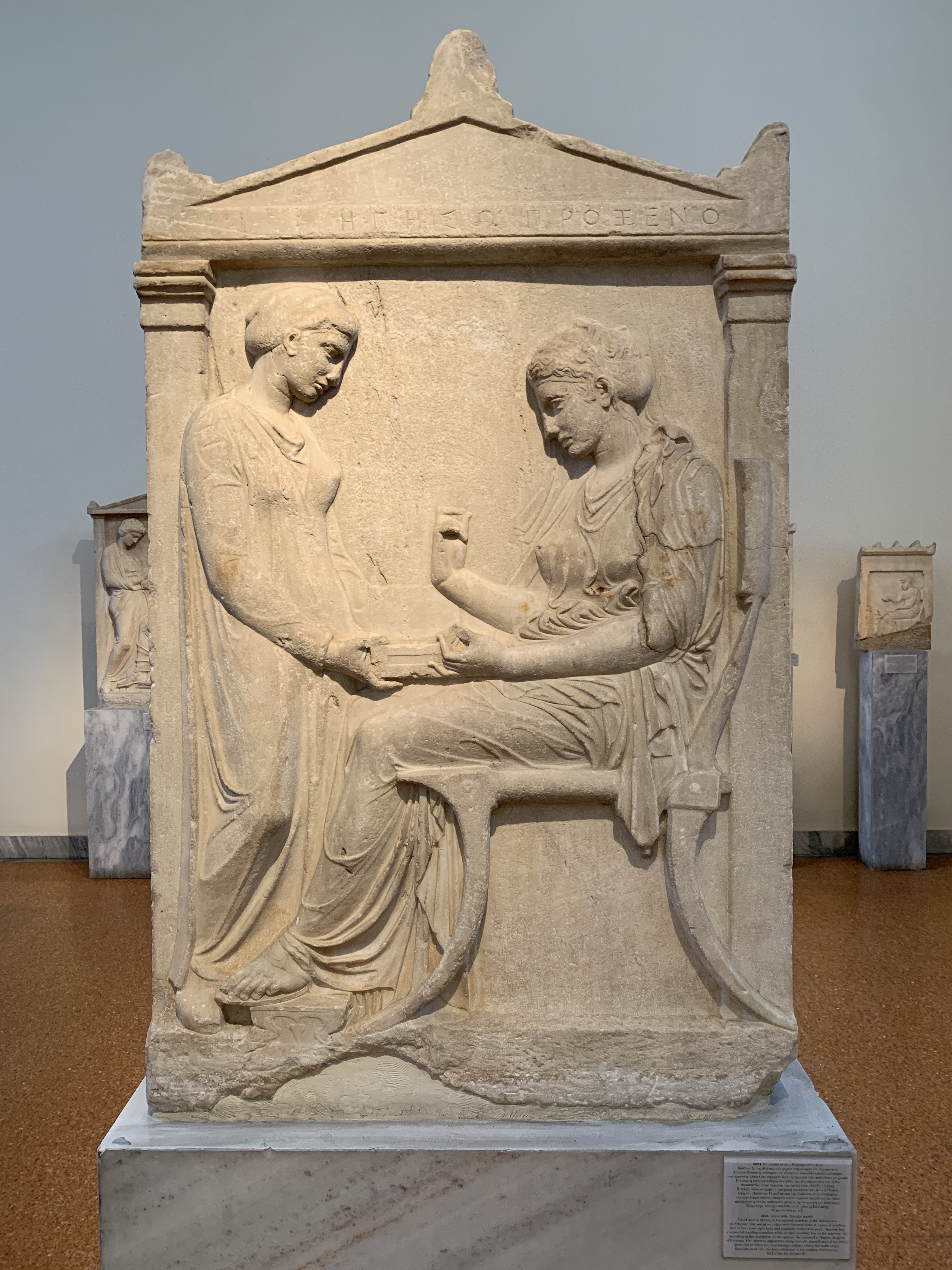
Athenian lady with attendant holding jewelry box, 5th century BC, Athens

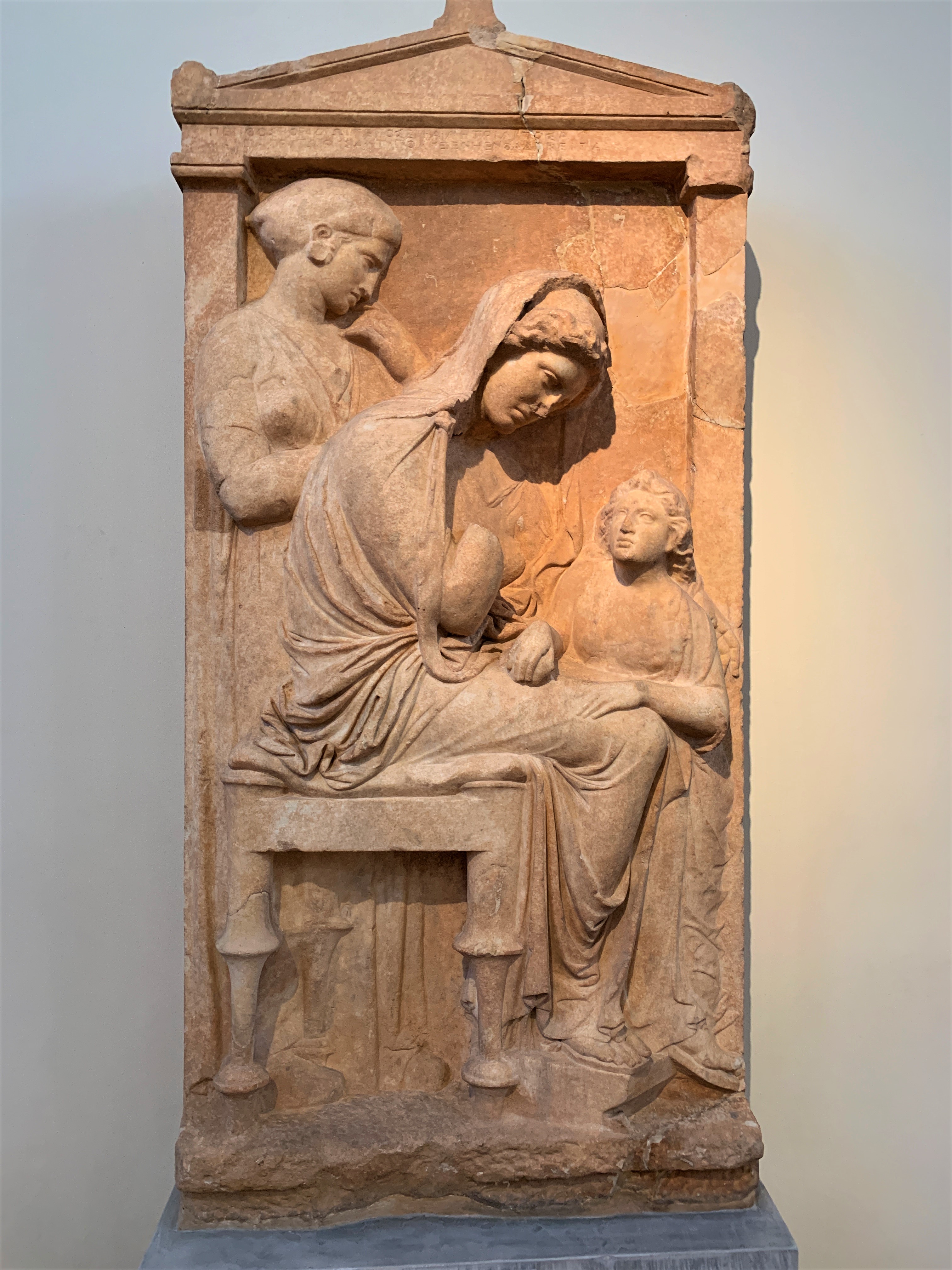
Mother embraces her young boy, 425 BC. Although she is carved in marble, her face is filled with expression

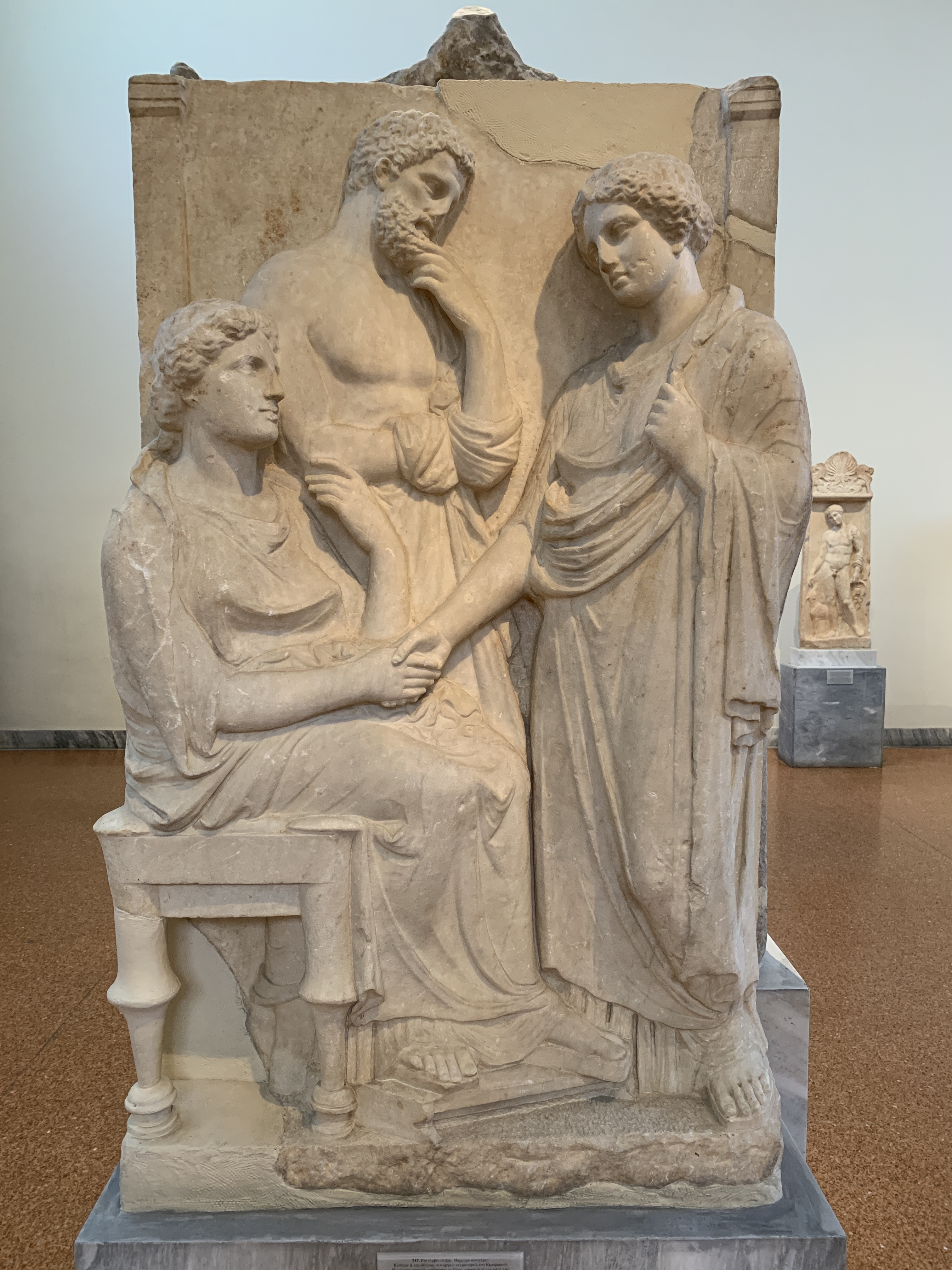
Woman bids her daughter goodbye, Kerameikos cemetery, Athens, 425 BC

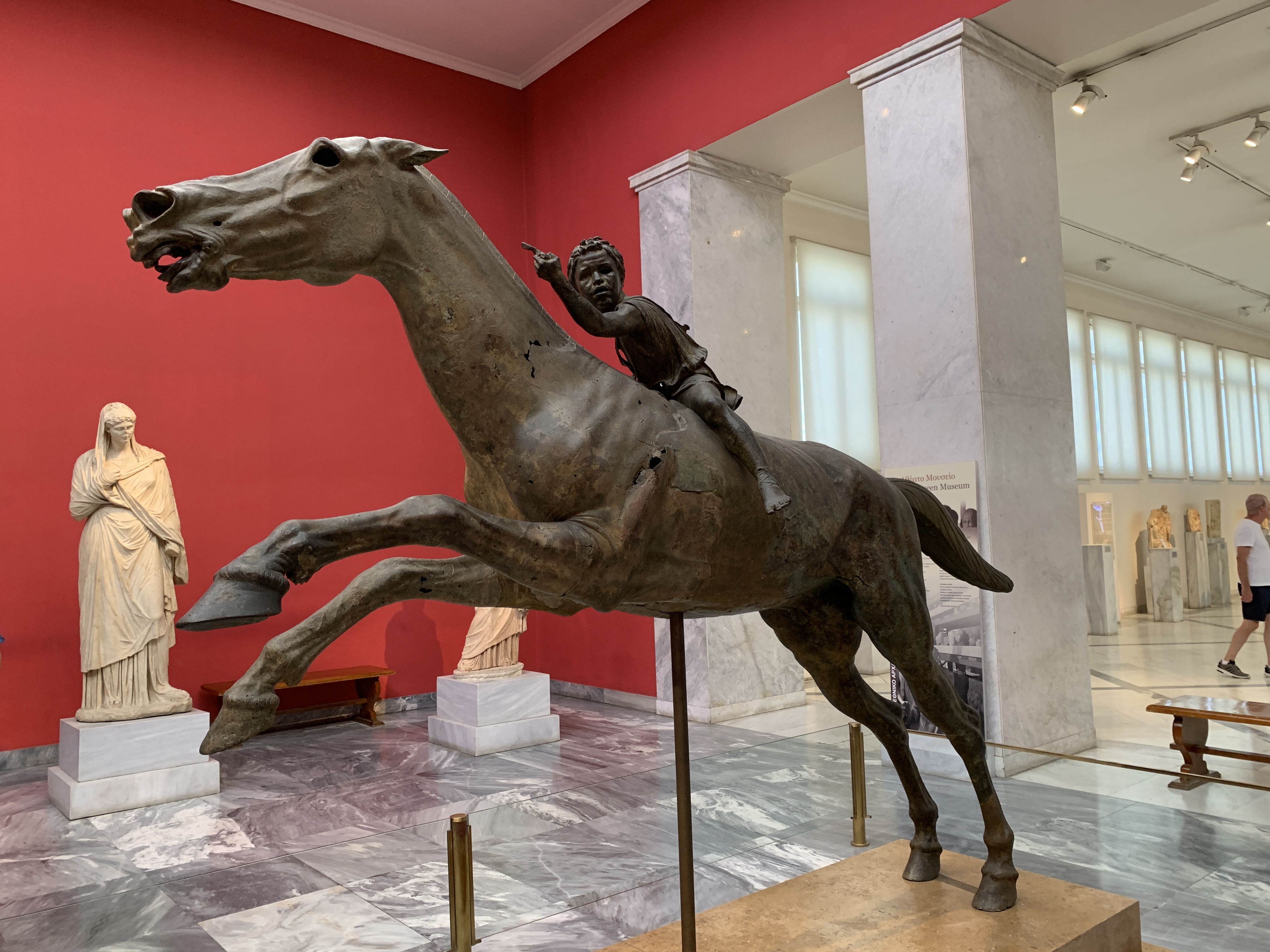
Bronze horse and jockey, 140 BC Euboea

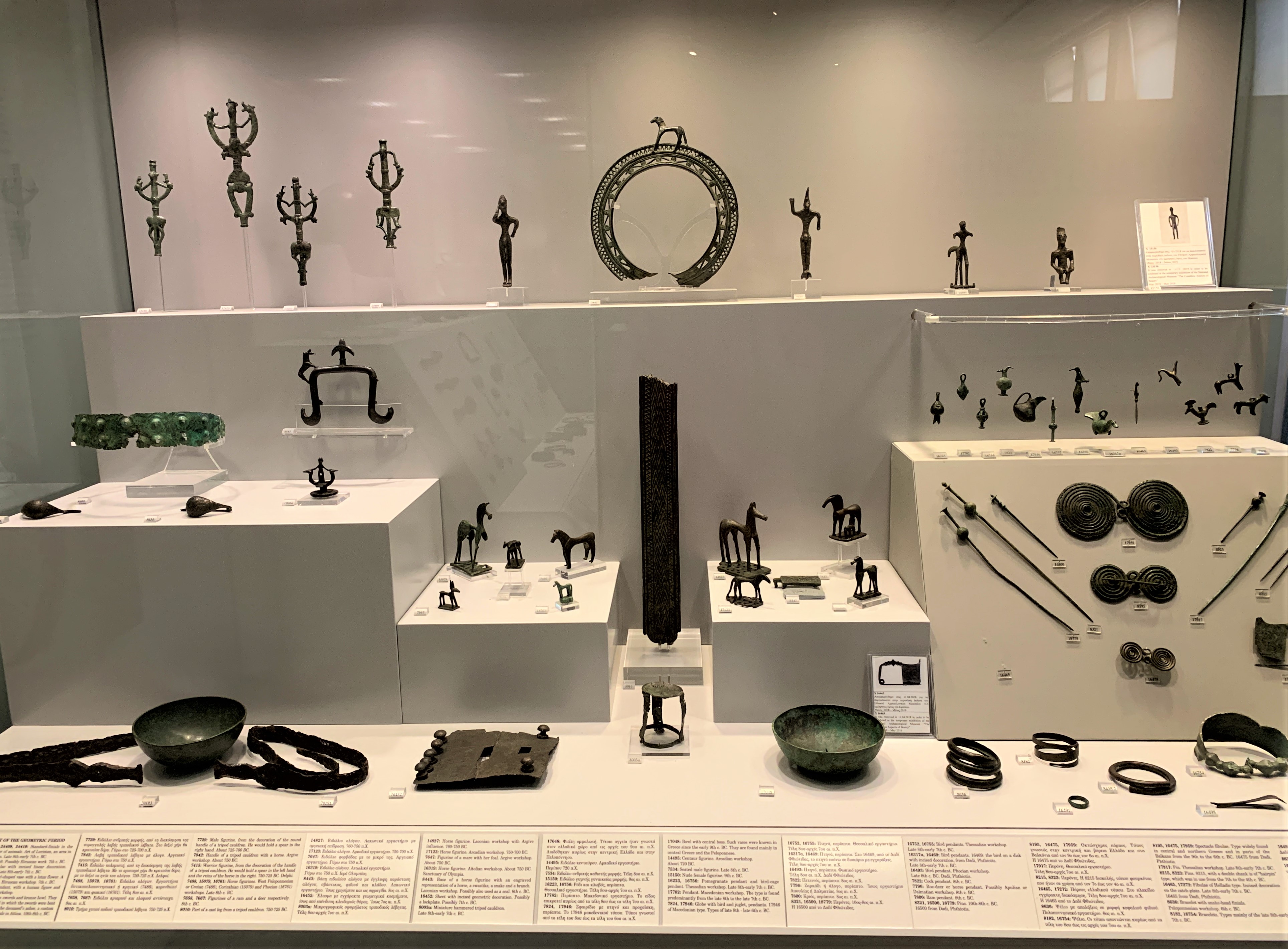
Bronze and iron metal works, 7th century BC

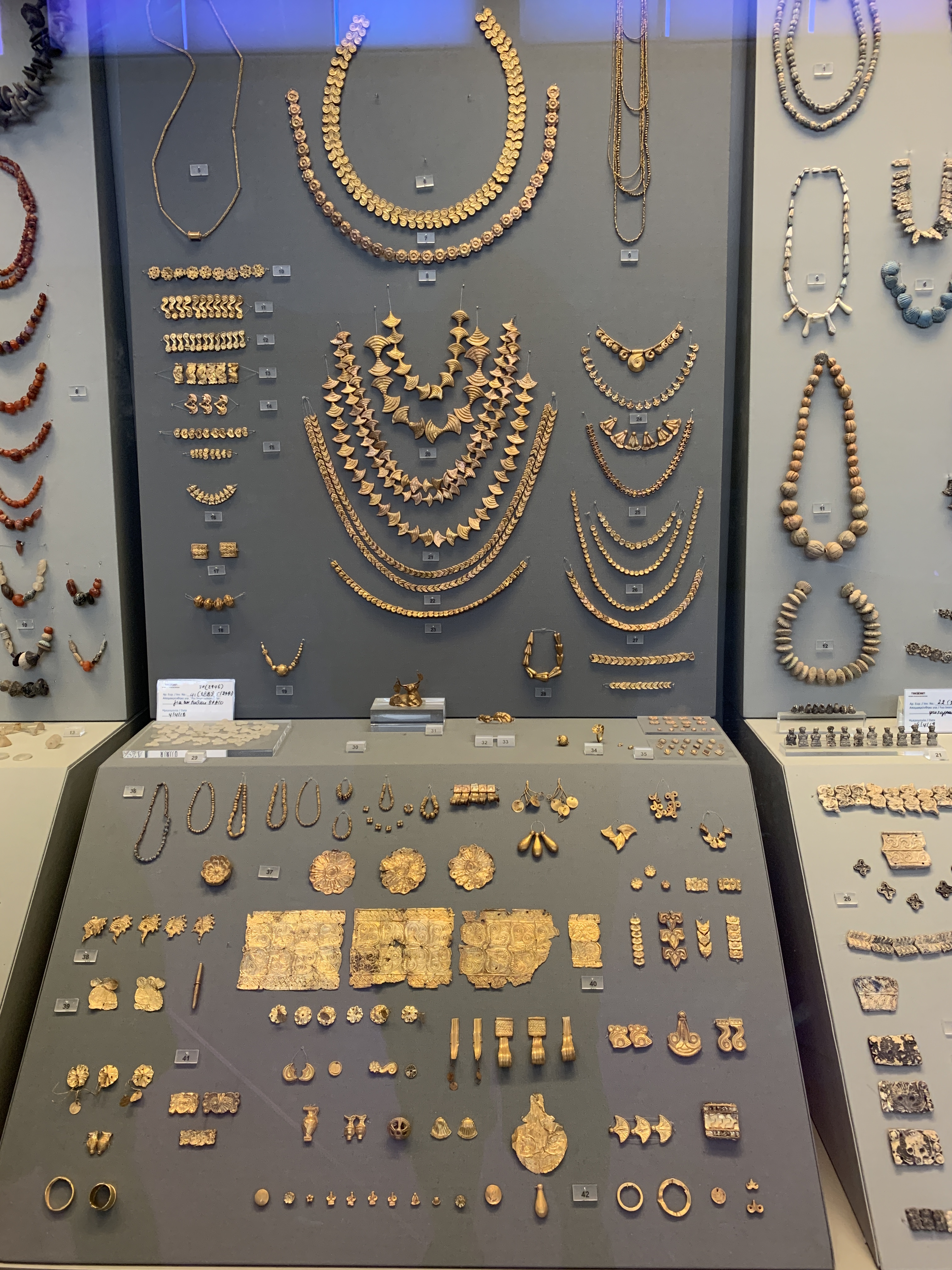
Gold jewelry from Mycenae tombs, undated (about 14-13th century BC)

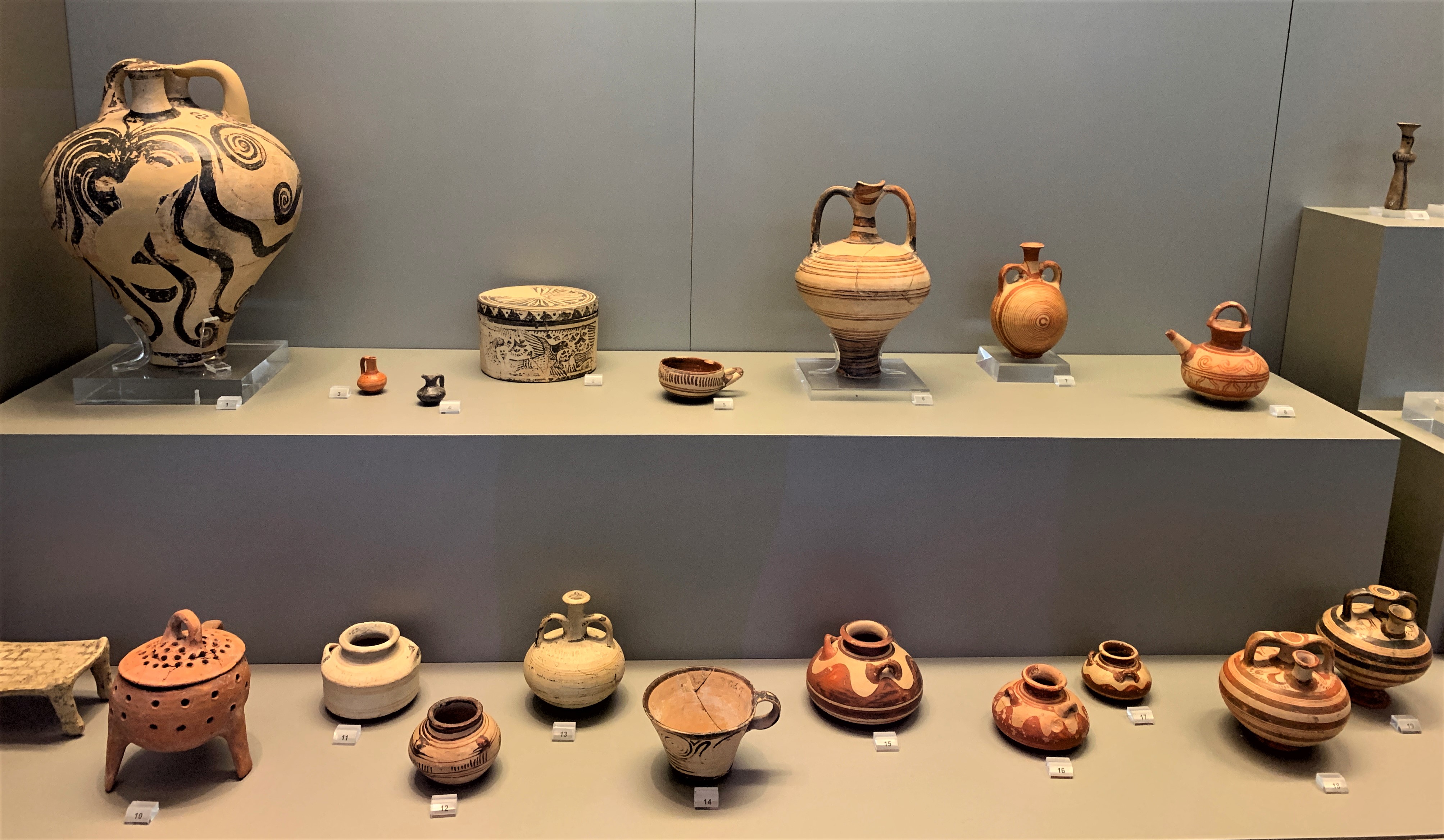
Clay vases from tombs of Mycenae, 14-13 century


(Re-) Learning Greek

I spoke Greek before I ever learned English.  My birth and early years in Brooklyn were immersed in the language and culture of my immigrant grandparents and our extended family.  “Why teach her English?” my parents reasoned, “she’ll learn it fast enough when she is older.” So true. I was four years old when we emerged from that urban ethnic cocoon and were instantly submerged into middle class, English-only America. The shock of moving to a small New Jersey town left me speechless–literally. No one spoke Greek and I didn’t speak English.

Without exaggeration, this was traumatic. The first day that neighborhood children came to play, I was considered strange and branded as different. I wanted to fit in, and communication was the key. I dropped Greek and quickly learned English, refusing to speak my native tongue at home and only to my grandparents. Years of weekly Greek school lessons were detested, as it was a reminder that I was “not like the other kids.” My defaced and marked-up Greek language primers were an outward symbol of my inner conflict.

Fast forward. I have traveled to Sparta four times in the past five years and I am going again in May. I am desperate to regain my language skills. With every trip, I foolishly hoped that immersion would work its magic and that I would wake up in Sparta with a fluent four-year old’s vocabulary–certainly not admirable, but passable. After all, this is my native language. It’s all up there, floating around in the grey matter, isn’t it? Reading articles such as this one reassured me that I was not alone, yet I was being unrealistic. We most certainly can–and we often do–forget our first tongue.

Determined to do better, I have enrolled in private online Greek language lessons. I have doubled up on the lessons, two per week for twenty weeks.  Despite many hours of study, I am struggling mightily. The verb tenses are making me tense, and the multiple formats of nouns are confusing and exasperating. After 10 weeks of frustration, I have designed and fine-tuned these color-coded “cheat sheets” for nouns and verbs. Except for those pesky irregulars and exceptions, they work!

Verb Cheat Sheet

Nouns Cheat Sheet

Many native Greeks speak English (children learn in school, and are fluent by graduation), and a non-Greek speaking tourist can get by quite nicely. But, I am not a tourist. When I am in Sparta, I have work to do, family to visit, and books and articles to read. Although I am blessed by good friends and cousins who cheerfully help with translation, I am losing out by not being able to read and communicate. Many older people (the ones who know our family history!) speak only Greek, and there are historical writings such as village histories, which are of significance.

I am halfway through my 20-week course and slowly feeling a bit more confident. This summer, I won’t be fluent but I hope to be understandable. It’s easy to lament my childish rejection of the language, but that won’t bring it back. I am reading those primers now and smiling at the full circle that I have made.

A Greek at RootsTech 2019

After four days of classes and meetings at the largest genealogy conference in the world, I am both energized and exhausted. RootsTech, held every year in Salt Lake City, Utah, is a sensory as well as intellectual experience. The vacant hallways of the Salt Palace before opening day give no hint of the pandemonium about to hit.

Before and after

Choosing from the myriad of classes was tough, but I was drawn to sessions focusing on records preservation (both archival and personal), what’s new and upcoming at MyHeritage and FamilySearch, resolving conflicting evidence, alien registrations, military research, and DNA. I enjoy and learn from Mary Tedesco’s Italian genealogy classes, as research strategies in Italy and Greece are similar.

But the most rewarding part of this RootsTech was connecting with several friends of Greek descent. One is a volunteer at the Family History Library on Wednesday mornings and helps people with their Greek research. For the past ten years, she has guided patrons in their quest to get started. She related that most people do not know the original surname and village of origin of their ancestral family, and with no centralized online database in Greece, research must be done at the local level by mail or in person. Thus, much of her assistance centers on teaching patrons how to use U.S. records to find needed information.

My Greek friends at the Family History Library.

There is a feature on the FamilySearch Family Tree app which calculates how many people, within 100 yards, are related to you. Twenty thousand people attend RootsTech, with thousands in the Expo Hall at any given moment. Every year, I pull up this app and every year, my matches are ZERO! The real-time board which displays the numbers of related attendees irritates my Greek friend, Georgia, and me. It is so annoying to hear people say, “I have 300 cousins in this hall right now” when we have none.

We have zero cousins in the expo hall!

But I do have many blogger friends in the genealogy community known as GeneaBloggers. We write about our research and our ancestral families; our backgrounds are multi-cultural and our blogs reflect our areas of expertise. Our goals are to assist others in learning how to research, and to support each other in our own efforts. We are a tight group but never exclusive, and invite any and all who write about family history to join us.

The Family History Library (FHL) is one block away from the Salt Palace and most genealogists split their time between the two venues. The FHL provides access to digitized materials which, due to contractual restrictions, must be viewed either there or in one of the 4,500 Family History Centers worldwide. Its collection of 2.5 million microfilms is almost entirely digitized, but some have not yet been converted; thus, it is the place to go to view these films. The FHL has 3,000 microfilms of records from Greece, predominantly the region around Athens and some islands. This list, compiled by Lica Catsakis, can be found here. While most Greek films have been digitized, some remain on microfilm and can be viewed and downloaded at a scanner such as the one below.

Microfilm scanner at the Family History Library.

Microfilm image of a page from a death index book, Thessaloniki, 1918.

The FHL has a few reference books for Greek research. Of particular value are the gazetteers, or geographical dictionaries. Since the Revolution of 1821, many villages underwent name changes, consolidations, or even extinction. This image shows a list of villages in the Dimos Lakedaimonos in 1836.

Join me at RootsTech next year! The dates are February 26-29, 2020. I can promise you an extraordinary experience of inspiration and education. And great fun!
Crossing the Atlantic: The “Nea Hellas”

Prior to airplane travel in the 1950’s, cross-Atlantic journeys were by passenger ship. There were several which transported my ancestors from Greece to America. Some of those trips were their inaugural immigration travel; others were for return trips to visit family.

The Nea Hellas (Νέα Έλλας) was a popular vessel as it traveled directly from Piraeus to New York, unlike other ships which stopped at multiple ports. Its maiden voyage was May 19, 1939. With six decks, first, second (“tourist”) and third-class cabins and restaurants, it provided a comfortable one-week crossing for 800 passengers and 200 crew.

I was truly excited to see this article on the usa.greekreporter website which describes the history of Nea Hellas, with photos and the video below.

This ship transported some members of my Aridas family on their visits to Sparta

  • My grandmother, Harikleia Aridas Kostakos and her daughter, Afroditi, had traveled from Brooklyn, N.Y.  to Agios Ioannis, Sparta in 1939. The Nea Hellas brought them home on March 16, 1940. It was among the last ships to leave Piraeus before Hitler’s invasion of Greece and the deadly attack on that harbor on April 7, 1941.
  • My godfather, Peter George Aridas (Harikleia’s half brother) journeyed from Piraeas to Brooklyn on the Nea Hellas in June, 1953.
  • This March 15, 1950 newspaper article announcing the trip of my second cousin, Effrosyni Aridas Revelos:
    The Middletown [Ohio] Journal, News of Society
    Mrs. Nick Revelos of Harrison St. is in New York where she will leave Friday for Sparta, Greece.  She will leave on the tourist ship Nea Hellas which is arranged for by the Ahepans and Daughters of Penelope for members to tour the old country.  Mrs. Revelos will visit her family Mr. and Mrs. Michael Mihalakakos of St. John, Sparta Greece.  She will be gone for three months.  Bill Revelos will take the same trip and visit his family.

Our ancestors’ stories can be more fully told with the myriad of articles, photos and videos so easily available today. These resources enable us to almost visualize our ancestors’ experiences, enriching our lives and our understanding of theirs.

The USA Greek Reporter article can be found here: https://usa.greekreporter.com/2019/01/29/nea-hellas-the-historic-ship-that-brought-thousands-of-greeks-to-the-us/

Additional information about the Nea Hellas and peoples’ memories of this ship can be found on this website: Memories of the Nea Hellas.