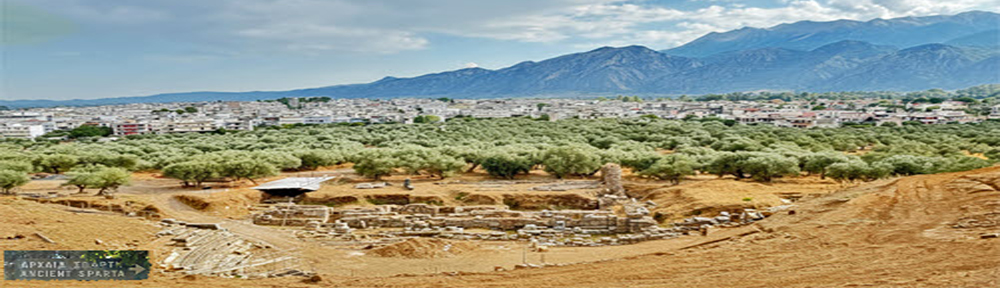
Once a year on August 15–and only on that day–the doors of the historic church of Agios Ioannis, Sparta, Koimisi tis Theotokou, are opened to commemorate the Dormition of Theotokos. Second only to Easter in the Orthodox Church, this national and religious holiday is a time of joy, not mourning, as it marks the “falling asleep” and taking into heaven of Mary, the mother of Jesus Christ.1
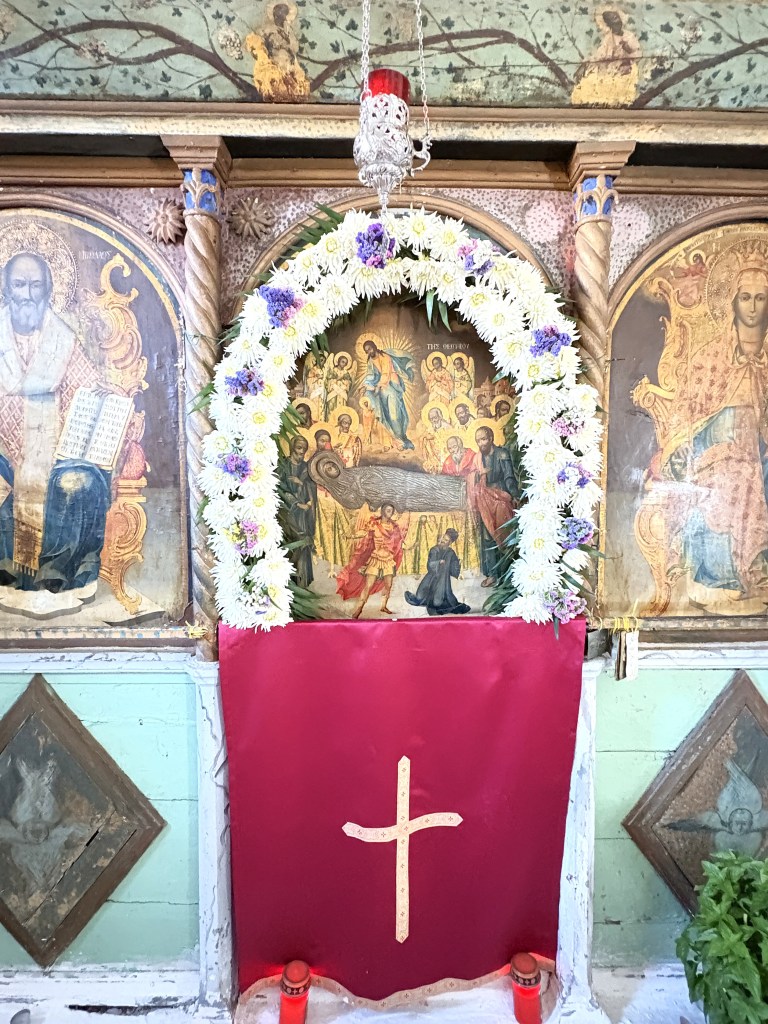
Known as Dekapentavgoustos (the literal translation is 15 of August), priests conclude two weeks of fasting by conducting a special service. In churches that are named Koimisi tis Theotokou (or Church of the Assumption), the liturgy is conducted there which makes this worship especially meaningful.
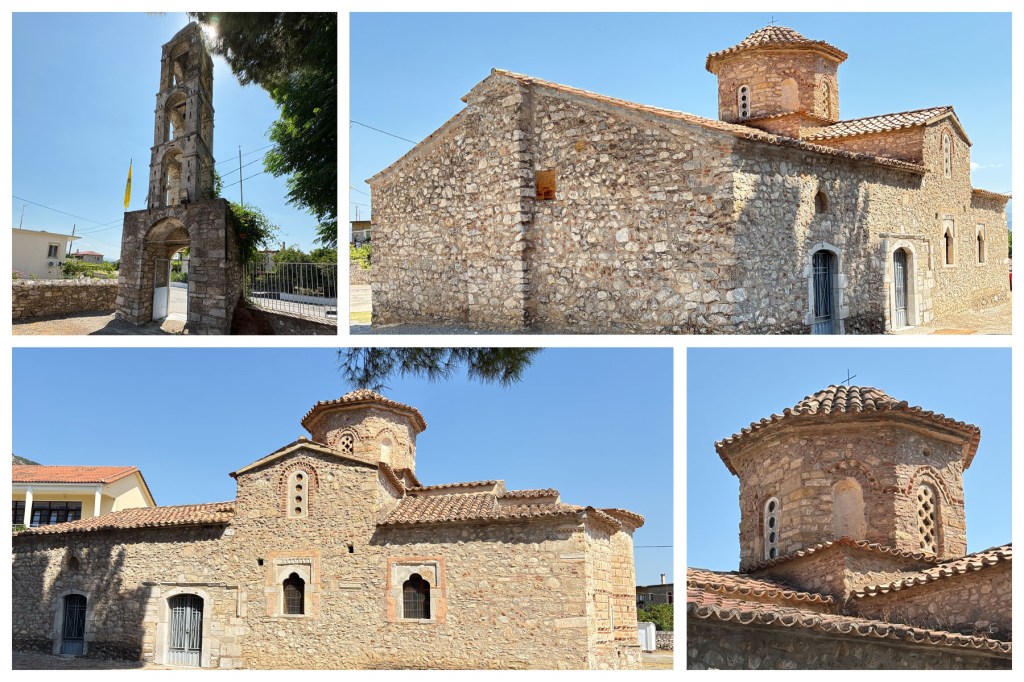
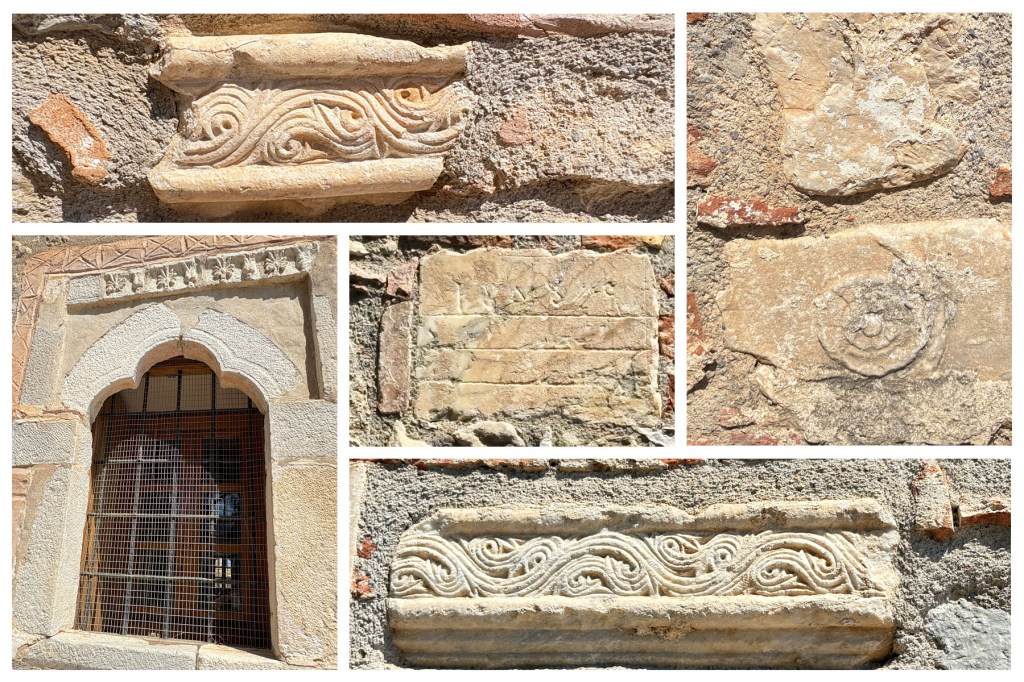
Marriage and baptism records prove that Koimsis tis Theotokou was the early church of our village, hosting joyous celebrations of life and sorrowful goodbys. It was the center of our ancestors’ world. For many years, I desired to see the inside of this church in Agios Ioannis. This year, that wish came true.

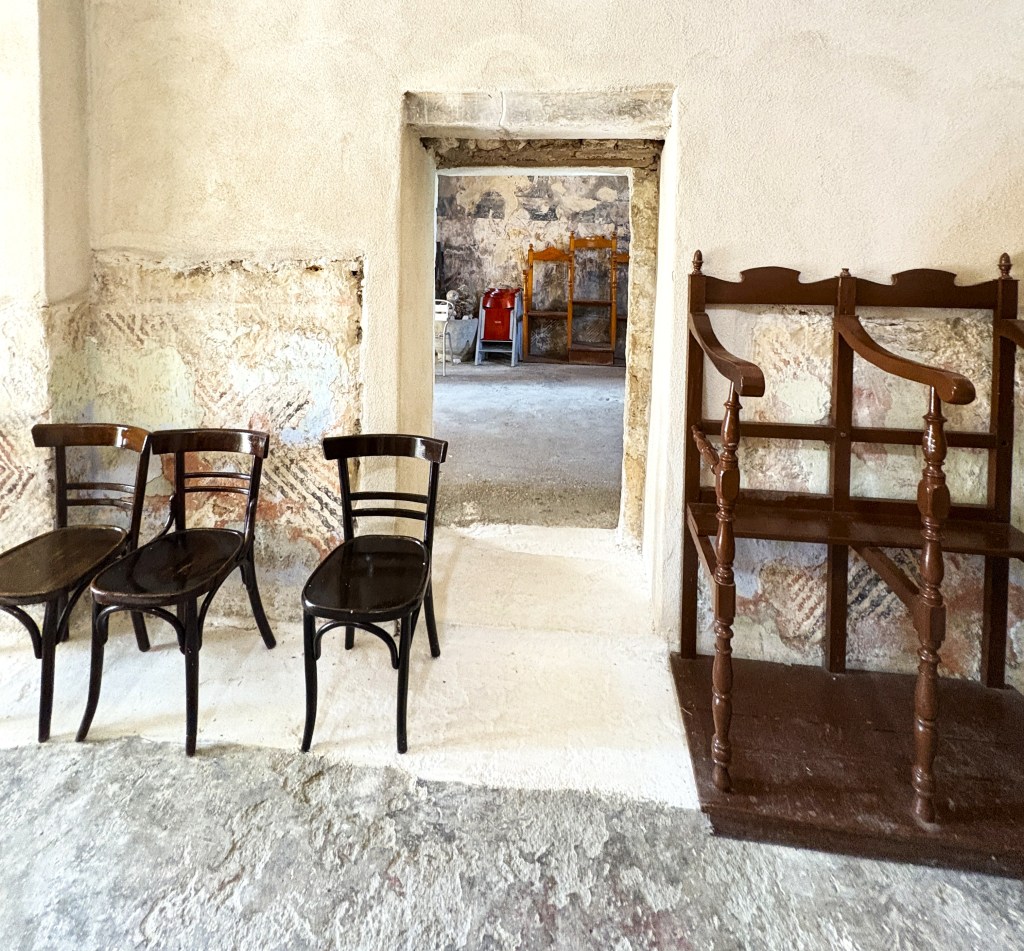
My family had told me that many years ago, the inside of the church was whitewashed, thus covering the historic frescoes. However, a small antechamber at the back remained untouched which enabled us to see the types of images that had once adorned the walls of the church.

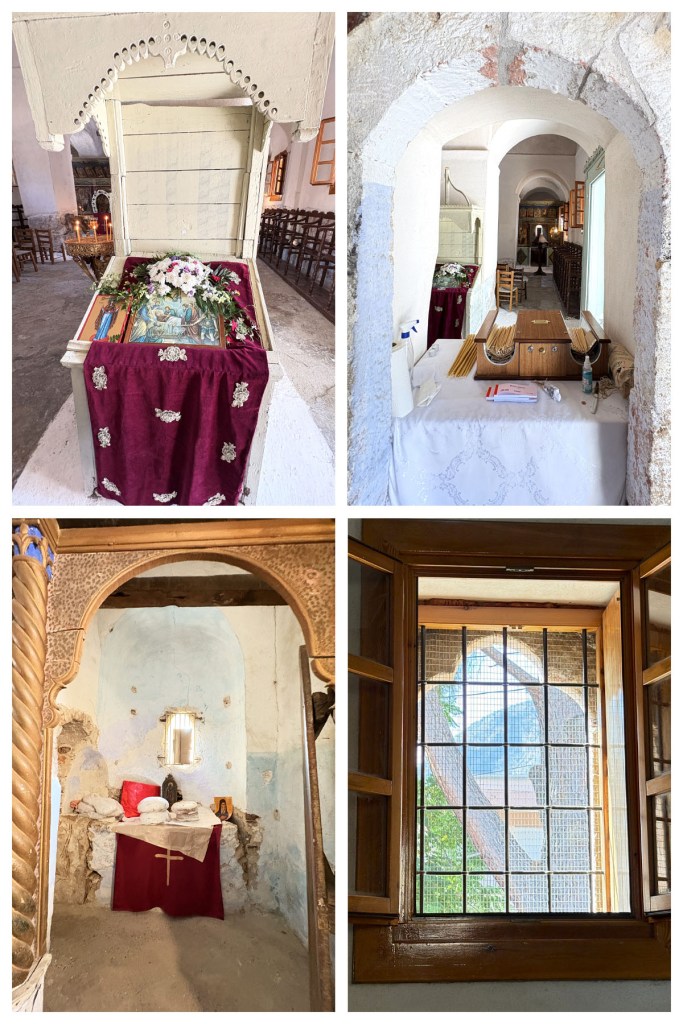
It is my hope that these photos will enable you to picture your predecessors gathering for Sunday liturgies and rites of passage. There was a distinctive spirit present as I gratefully celebrated this special holiday in this special church.

Although the interior walls are whitewashed, the iconostasis retains its spectacular icons which serve as the focal point of the interior.


Looking from the church into the antechamber at the back, we see the frescoes that remained untouched.
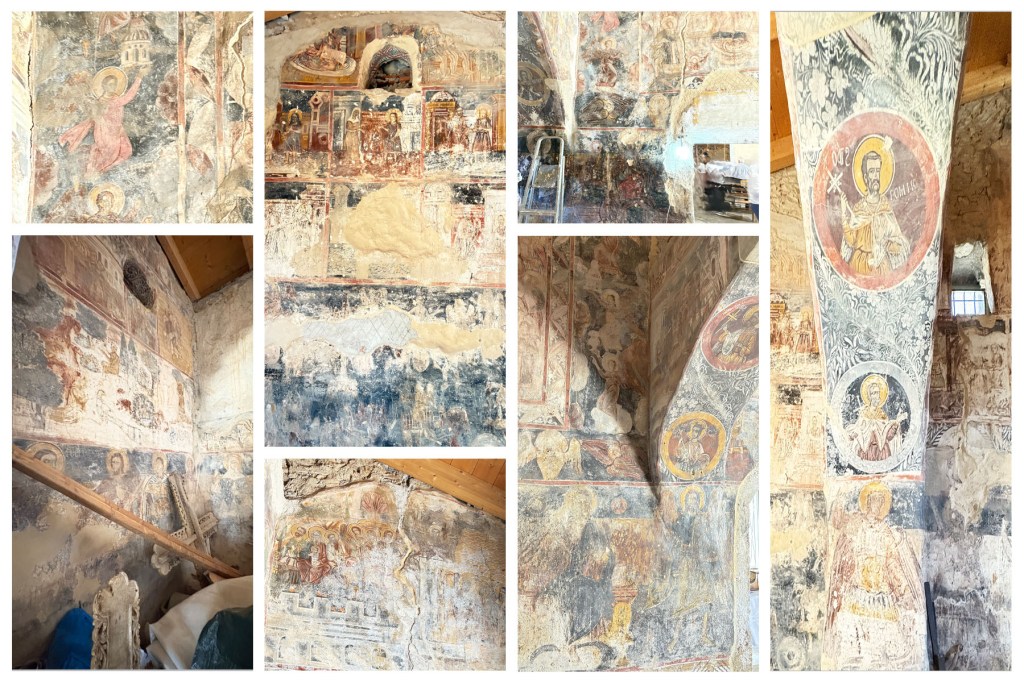
For those of you who may not be able to go to a Byzantine church in Greece for an August 15 holiday, I hope these photos will enable you to feel the essence of this holy house.

 Spartan Roots (Σπαρτιατικές Ρίζες)