By Eugenia Io. Konidi
Published in The Faris Newsletter, Issue #35, Sept 2003, p. 13 – Hairdressing and Grooming of our Grandmothers
Women of all ages wore headscarves on their heads. Elderly and middle-aged women wore brown headscarves, young women wore white or floral scarves, and those in mourning wore black ones.
At church or other formal occasions, they usually didn’t wear headscarves, but styled their hair, which was primarily long. They braided it into plaits or buns. The headscarf was tied in front under the chin or in back or made into a “duvali” – meaning they crossed the two ends behind, brought it forward and tied it slightly to the side.

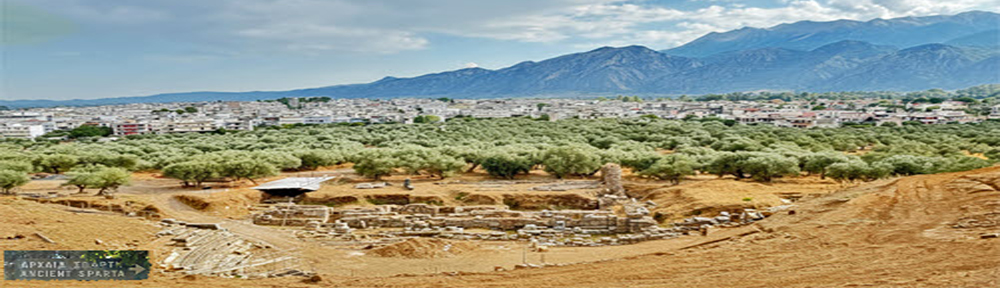
Amykles, Lakonia, July 2019; photo by Carol Kostakos Petranek
There were also scissors, which they put in the fire and heated. These were passed through the hair to curl it, making it wavy.
If a young woman fell into moral disgrace and was discovered, her hair was cut. Also, when two young women harbored hatred for each other, one would hide and suddenly cut off the other’s braids with scissors for revenge. This was a crime and, if it went to court, the punishment was severe.
Men wore various kinds of hats. Students had caps. These were made of black or blue fabric and had a symbol in front made with gold thread, depicting an owl. Older men wore a type of hat called “kouko,” which they used in winter. In summer they wore straw hats for festive days and wide-brimmed hats for working in the sun.
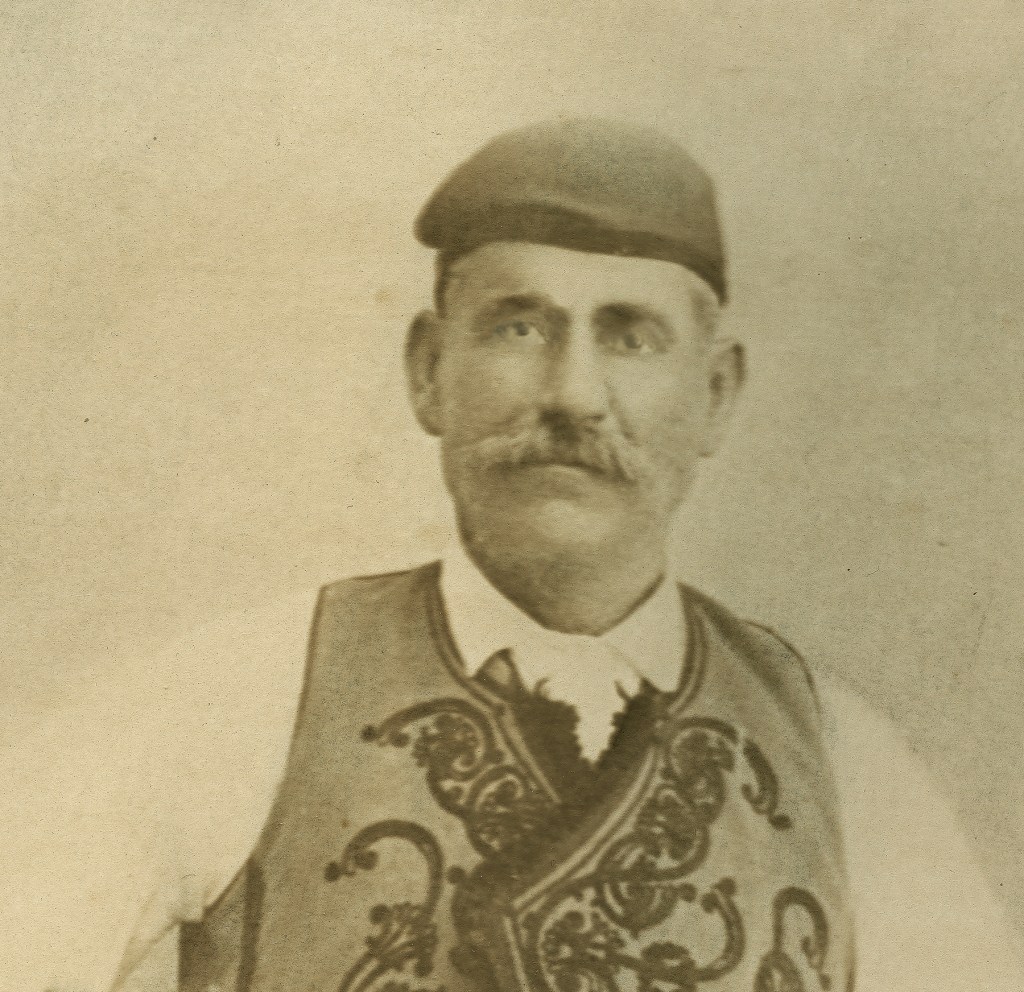
He is the great-grandfather of Georgia Stryker Keilman, founder of Hellenic Genealogy Geek
Regarding women’s grooming, the possibilities were limited and usually concerned wealthier women. The cosmetics used were powder and rouge. For eyebrows, they used charcoal to emphasize them. There were colognes and gold jewelry, such as pins, earrings, necklaces and rings. Usually, however, poor women had nothing more than their wedding ring.
I (Carol Kostakos Petranek) am honored to receive permission from the Katsoulakos family to translate and share articles from The Faris. Translation verification and corrections have been made by GreekAncestry.net. This is the nineteenth article of the ongoing series. Previous articles can be viewed here.

 Spartan Roots (Σπαρτιατικές Ρίζες)