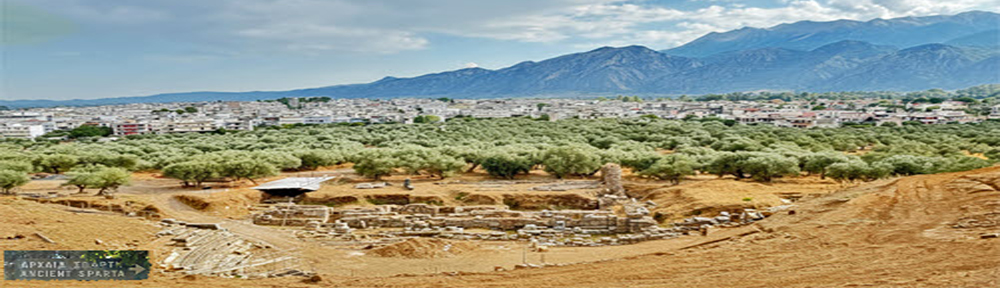
Researching in pre-1830 Greece thrusts us into the Ottoman period (1453-1821), a time when neither a Greek government nor Greek records existed. From the start of the Revolution until 1827, the fledgling country adopted the Greek Constitution and fought its War of Independence under a federation of provisional governments, elected by people in various regions. A united Greek government, the Hellenic state, did not emerge until 1828 when Ioannis Kapodistrias was selected as the Governor of Greece, and the country was officially recognized on February 3, 1830.1
Although various regions joined Greece at different times, Sparta went directly from Ottoman to Greek rule. Thus, any surviving records from the earliest Greek state may include villages around Sparta. Among the first records for Lakonia is the 1828 census.
The first census in Greece was conducted in 1828 by the government of Kapodistrias and it is digitized and online. According to Gregory Kontos of GreekAncestry, from 1861 onwards, a census was conducted every ten years and kept at the Archives of the Hellenic Statistical Authority, but they are classified and sealed to the public.
However, there are two collections available from the General State Archives of Greece: 1828 and 1850.2 Neither of these cover the entire country and there is no standard format; 1828 is digitized, but 1850 is not. The 1828 is somewhere in this collection on the General State Archive of Greece website, records of the General Secretariat, 1828-1833. The description is “letters, decisions, accounts, reports, receipts, lists, applications, decrees and various documents.” There are 300 folders with thousands of subfolders, and documents written in old Greek script.
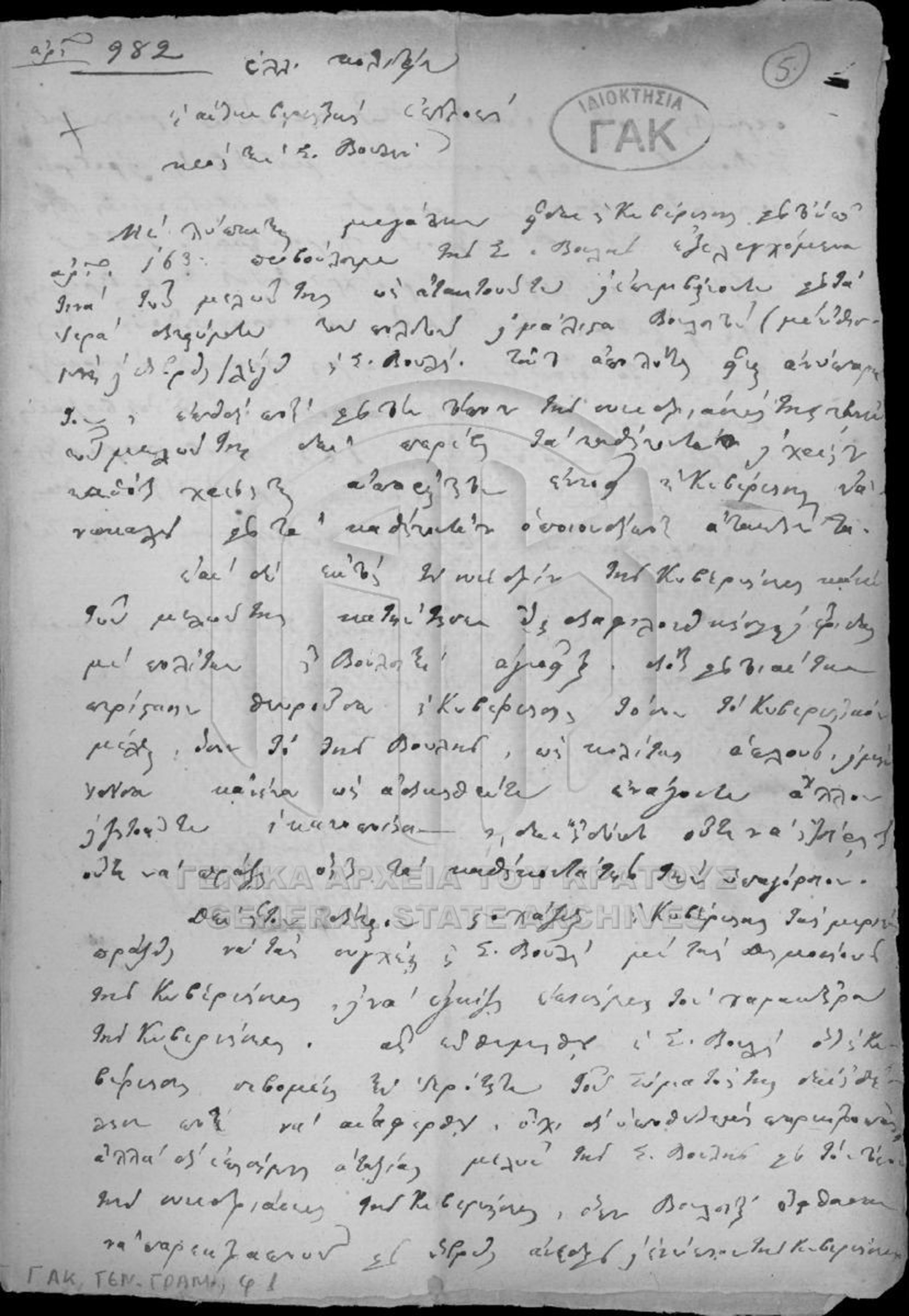
Thus, documents from this era are technically accessible but realistically unaccessible, as it is beyond my ability to locate or read these records. It’s time to turn to the experts.
GreekAncestry has census collections from Ermioni, Argolida 1829 and Kyklades 1829. All records are name-searchable in both English and Greek, and an image with English translation can be ordered.
Konstantinos Koutsodontis, Greek Genealogist, has access to the 1828 census of Lakonia and other regions. He conducts the research and provides images and translations. His research on my behalf yielded these records:
1828 Anvryti census
Christos Kostakos
Christos Kostakos
1828 Sklavochori census
Demetrios Christakos
Demetrios Christakos
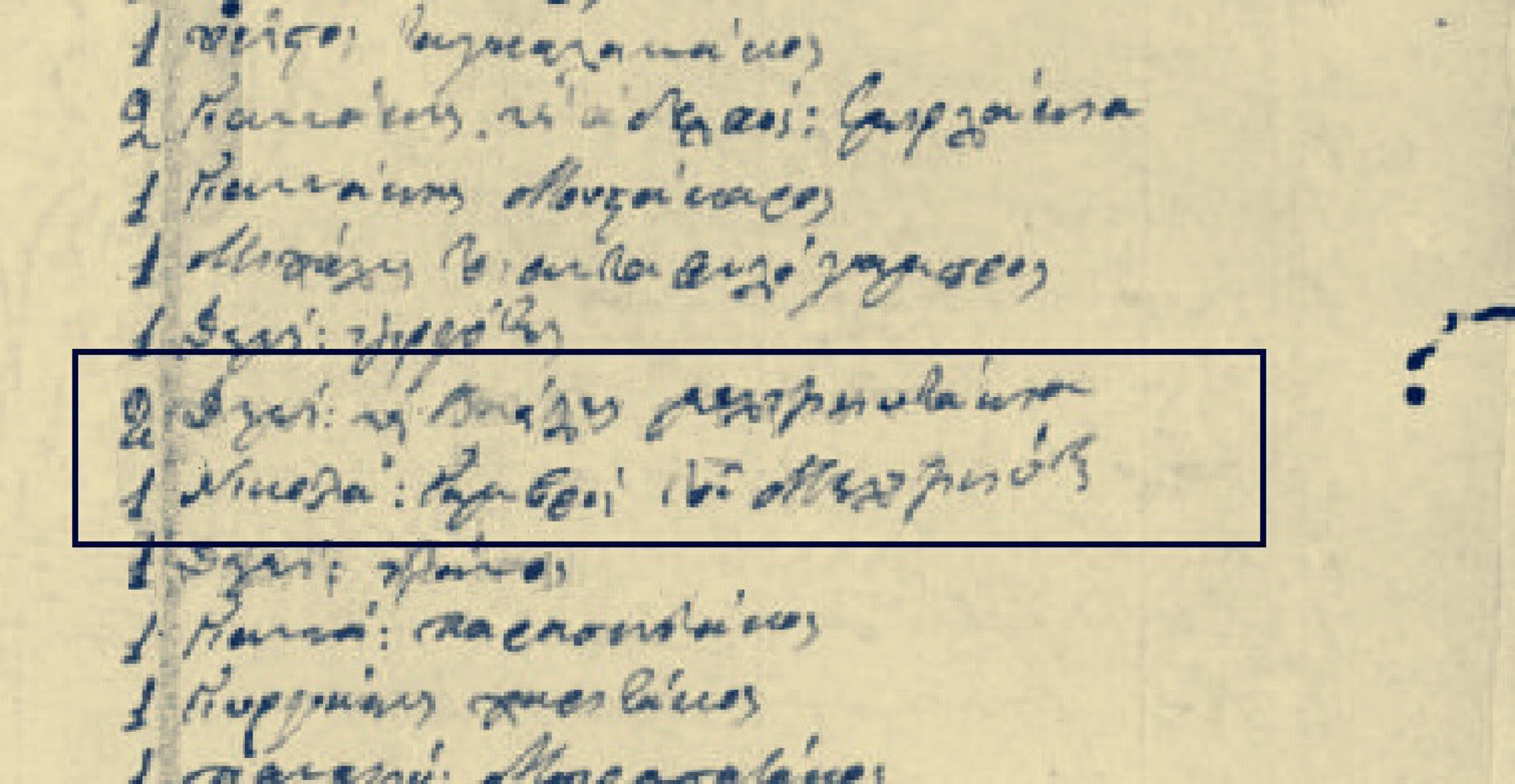
1828 Agios Ioannis census
Demetrios & Vasilis Maltziniotis (living together)
Nikolas groom of Maltziniotis
Nikolakis Michalakos
Demetrios & Vasilis Maltziniotis (living together)
Nikolas groom of Maltziniotis
Nikolakis Michalakos
1828 Koumousta census
Demetrios Christakos
Thanasis and Nikolas Christakos (living together)
Michalakis Christakos
Konstantis Michalakos
Georgios Michalakos
Thanasis Michalakakis
Demetrios Christakos
Thanasis and Nikolas Christakos (living together)
Michalakis Christakos
Konstantis Michalakos
Georgios Michalakos
Thanasis Michalakakis
Examples:

A few precautions when using these census records:
- There is no identifying information such as age or father’s name, making it impossible to positively identify an individual. Remember that naming traditions ensure that several men with the same name can be in a village, and they can be differentiated only when the patronym (father’s name) is indicated.
- There were no “official” surnames during this time and they may or may not have been used in your family. For a man to distinguish himself from others with the same name, he might use a nickname, a patronymic, the name of his clan, tribe, or village of origin. Thus, a man listed as Petros Georgiou is: Petros the son of Georgios — Georgiou is not his surname. To complicate matters, others in his bloodline may use a different appellation.
- Early records are notoriously incomplete, especially in rural Greece. Shepherds may be roaming the mountains with their flocks for months at a time. A lazy “census taker” may choose not to hike up a steep trail to a remote village. Pages of a document may be lost or destroyed.
Although pre-1830 records have acute limitations, they may be able to place a family in a specific village at a specific time. For such corroborating evidence, I am grateful.
__________
1https://en.wikipedia.org/wiki/Timeline_of_modern_Greek_history
2For more information, see this video from GreekAncestry.

 Spartan Roots (Σπαρτιατικές Ρίζες)
Pingback: 1828 Census of Agios Ioannis, Sparta | Spartan Roots (Σπαρτιατικές Ρίζες)
Pingback: The 1828 Census – Agios Ioannis – 'Αγιος Ιωάννης, Sparta